“Eco-Friendly” Was Always Weak Marketing (and Is Now a Legal Risk)
Picture a traveler comparing two safari trips. One calls itself “eco-friendly.” The other promises a solar-powered camp with no generator humming at night and a

Picture a traveler comparing two safari trips. One calls itself “eco-friendly.” The other promises a solar-powered camp with no generator humming at night and a
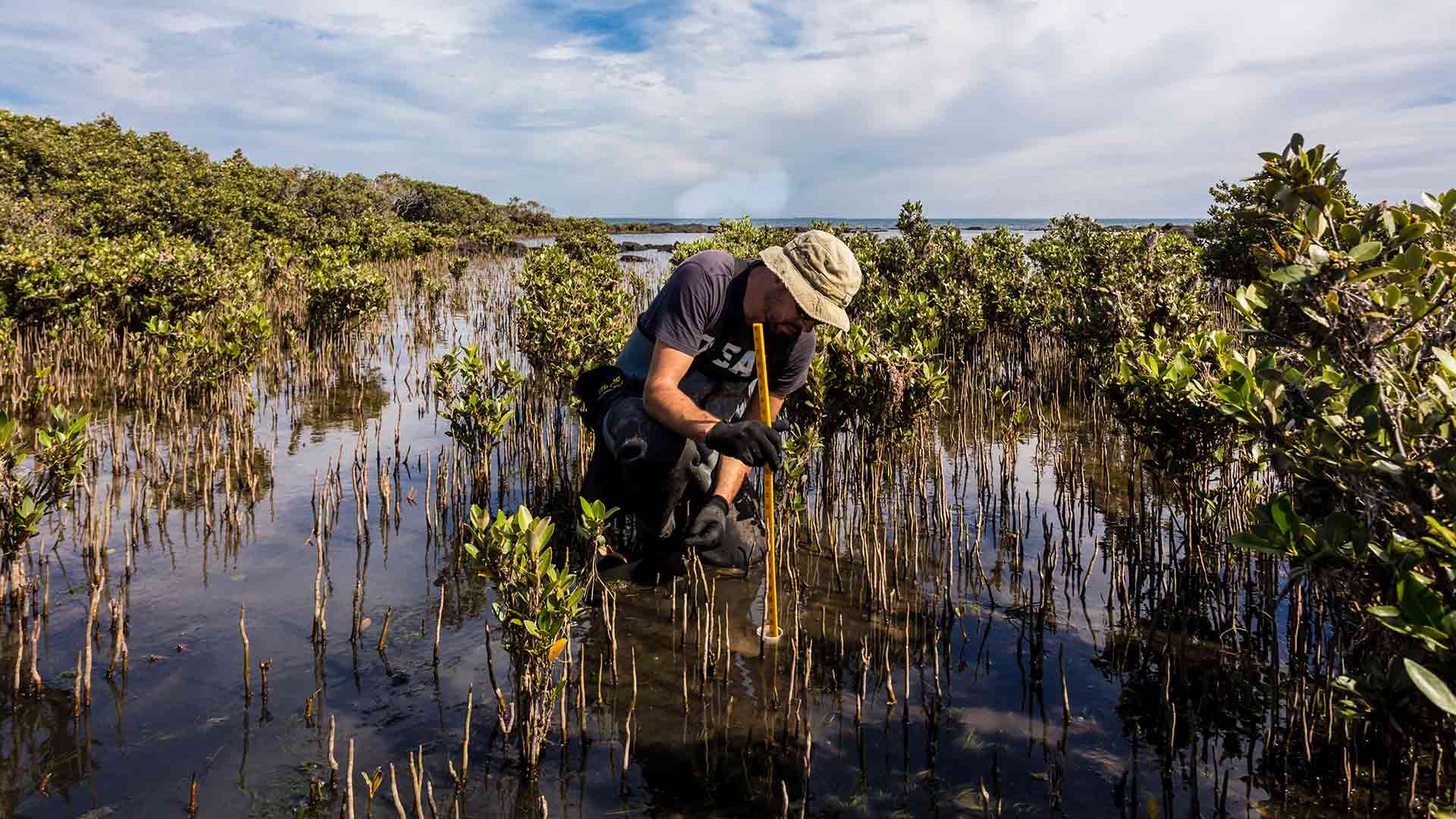
Not all carbon offsets are created equal. In recent years, growing scrutiny has highlighted concerns about the quality of some carbon credits, particularly around whether
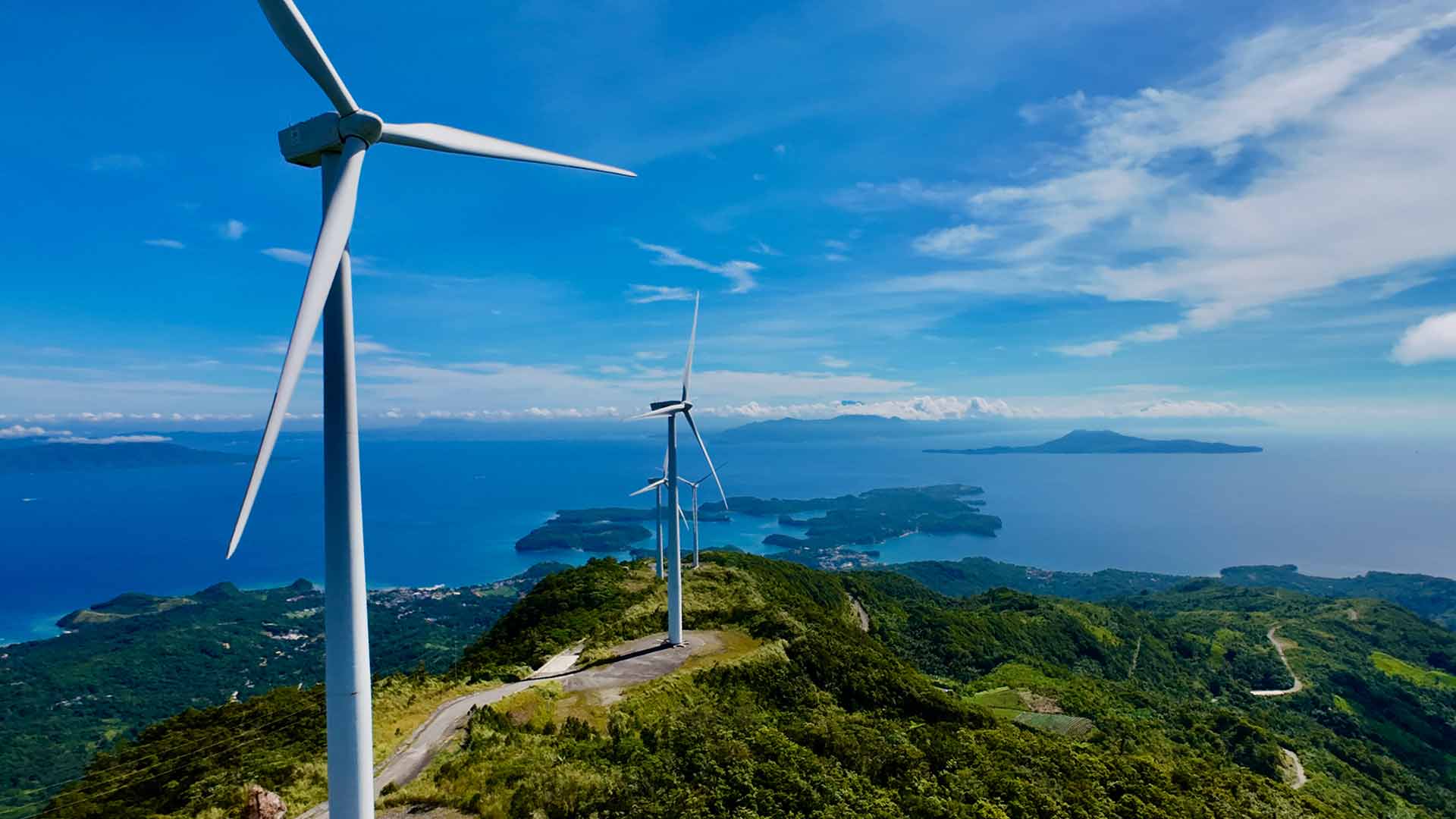
Not all carbon offsets work the same way. Some protect forests or build wind farms, while others restore mangroves or pull carbon out of the

New tool helps tourism organizations navigate requirements under the EU’s EmpCo Directive and build trust with travelers. SEATTLE, WA (September 28, 2026) — As new
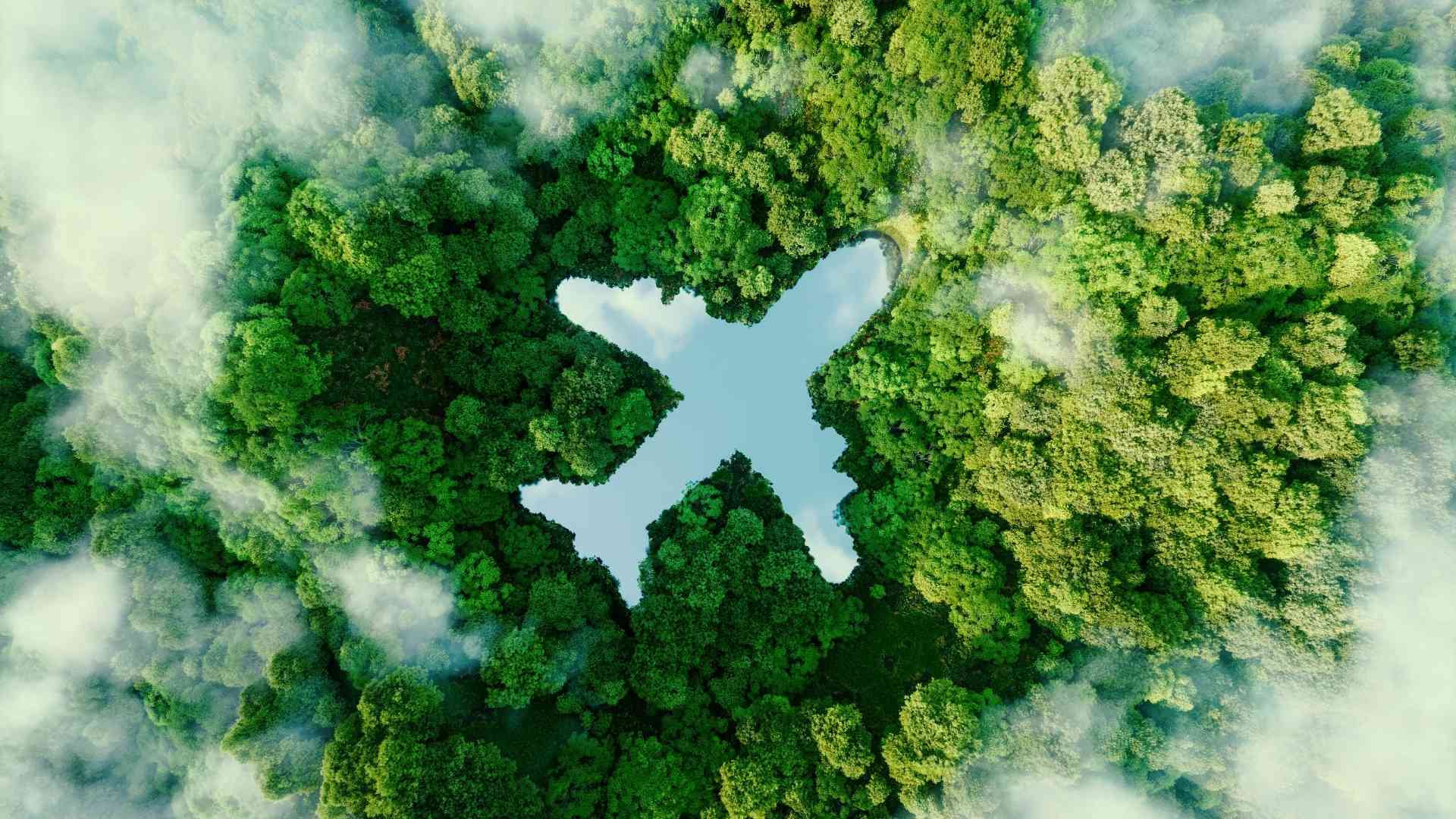
For many years, tourism businesses have used words like “green,” “eco-friendly,” and “responsible” to position their products as sustainable. But even when businesses have good

SEATTLE, WA (June 10, 2026) — Sustainable Travel International launched Humí, a new AI-powered carbon footprinting tool for tours that turns existing itineraries into emissions
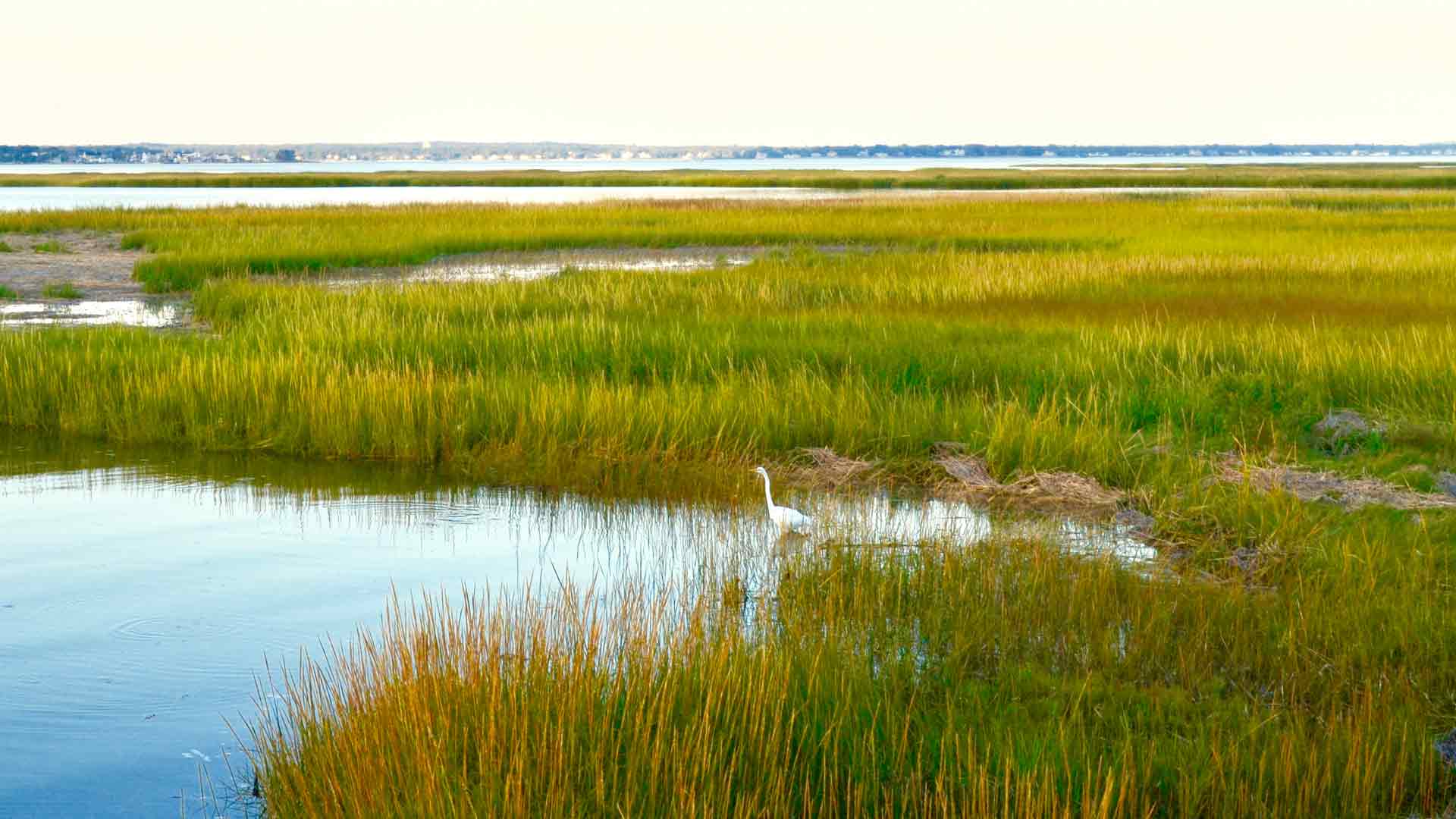
Salt marshes are some of the most fascinating yet overlooked coastal landscapes. Stretching between land and sea, these wetlands are alive with movement, from shifting tides and rustling grasses to the calls of wading birds. For travelers wandering boardwalk trails or paddling through tidal creeks, salt marshes offer a different...

Coastal ecosystems such as mangroves, seagrass meadows, and salt marshes are powerful natural climate solutions. These blue carbon habitats capture and store vast amounts of carbon while shielding shorelines, supporting marine biodiversity, and strengthening food security in climate-vulnerable regions. Yet they are disappearing due to development, pollution, and other human...

Coastal ecosystems like mangroves, seagrasses, and salt marshes do far more than paint a beautiful backdrop for a day by the sea. These blue carbon ecosystems capture and store enormous amounts of carbon, protect shorelines from storms, and support fisheries and tourism around the world. Yet despite the numerous benefits...

Tucked between land and sea, you’ve probably seen blue carbon ecosystems without realizing how important they are. Maybe you’ve kayaked through mangrove tunnels, floated over seagrass meadows, or spotted birds feeding in a salt marsh at low tide. These blue carbon habitats do far more than set the scene for...

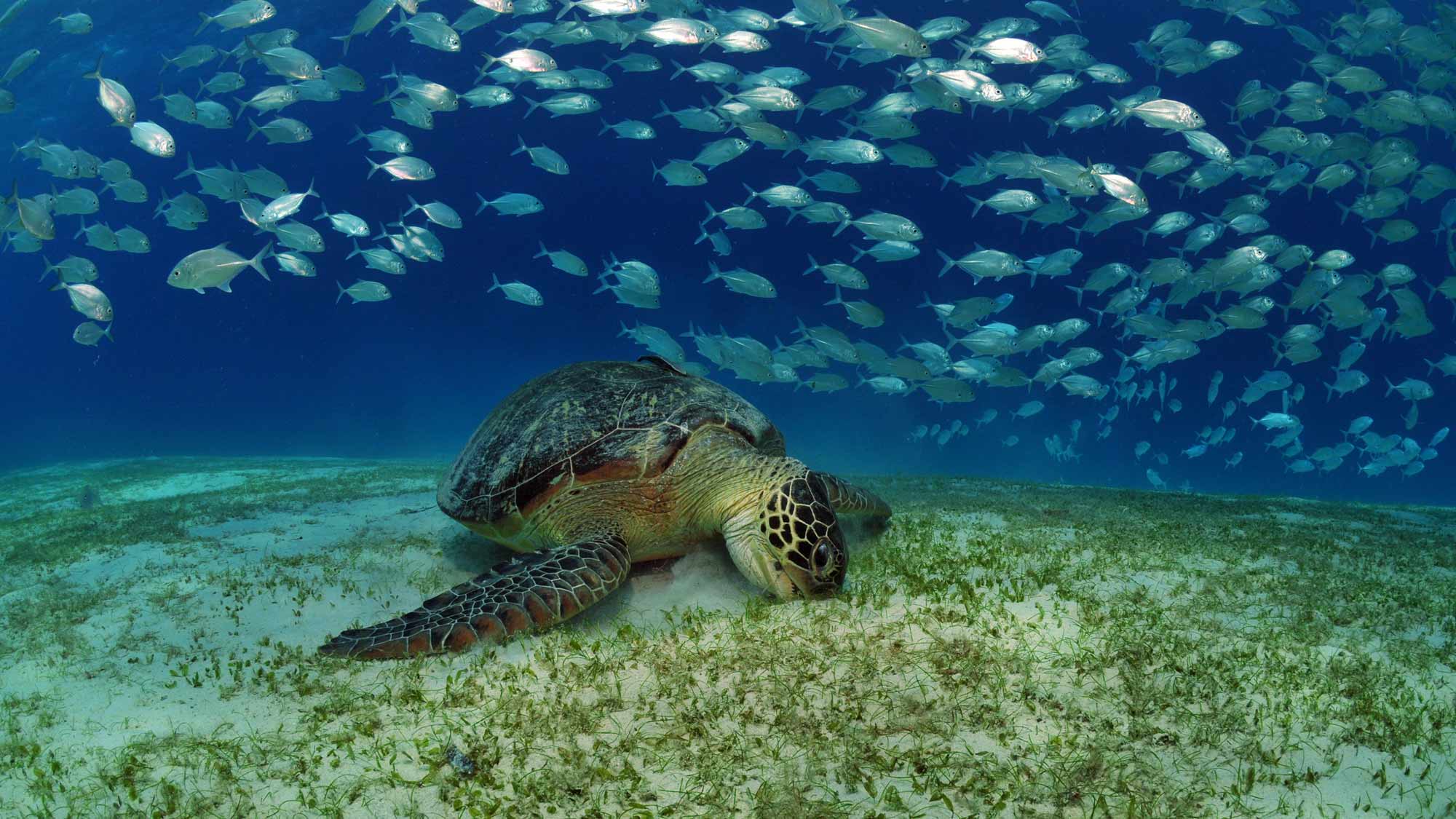
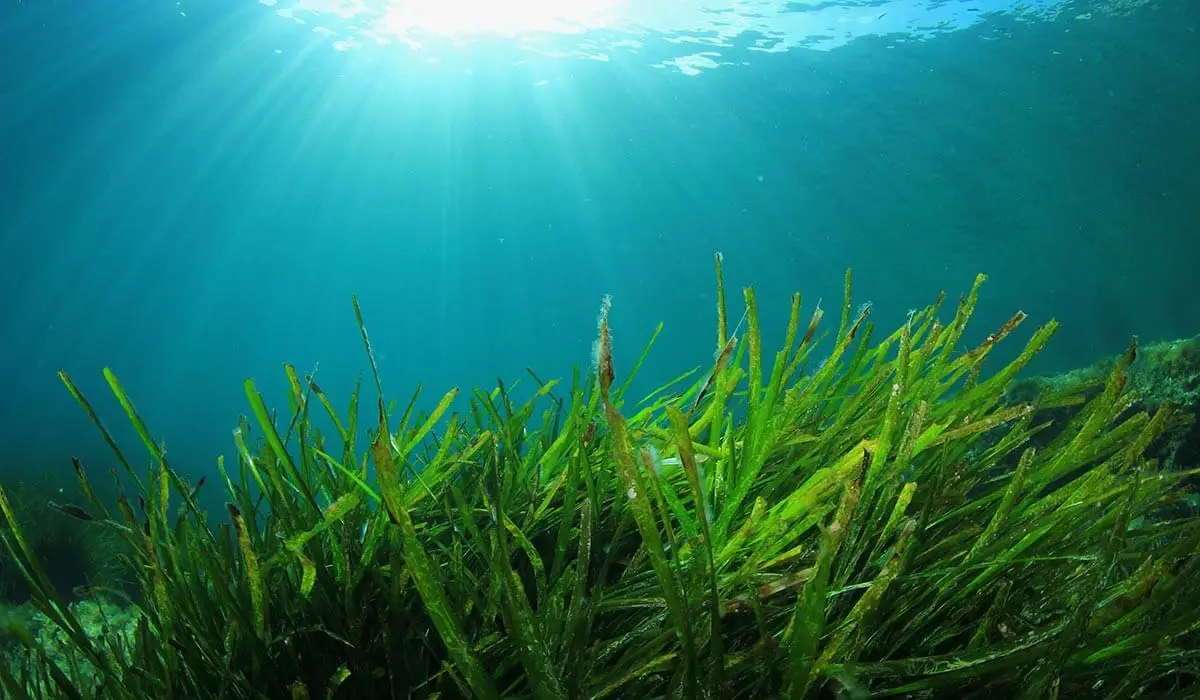
Hidden beneath the ocean’s surface lies one of Earth’s most important ecosystems. Seagrass is a marine plant that grows in shallow coastal waters, forming underwater meadows known as seagrass beds. These landscapes feed sea turtles, dugongs, and even sharks, while sheltering a diverse array of fish and small organisms. These...

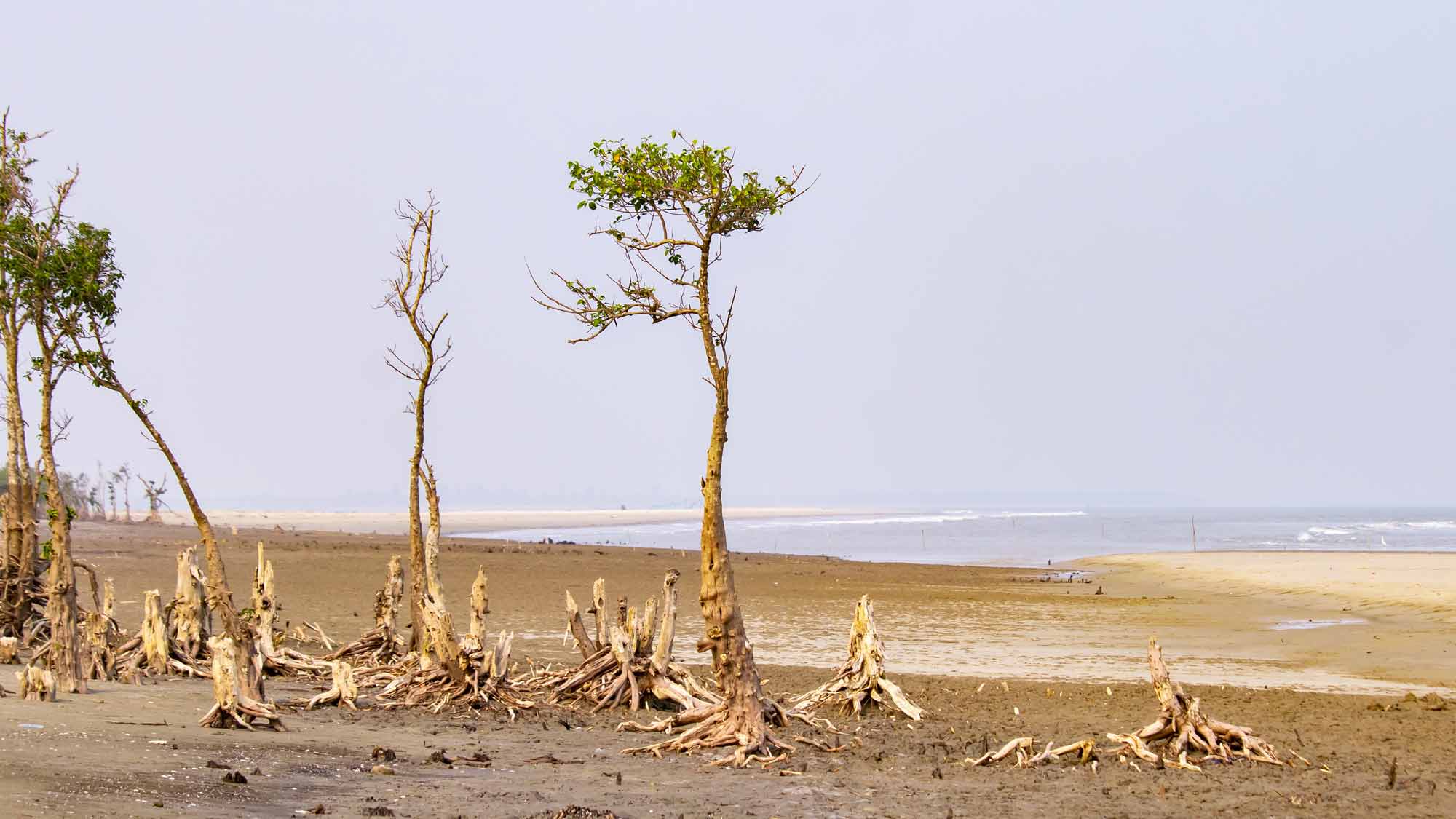
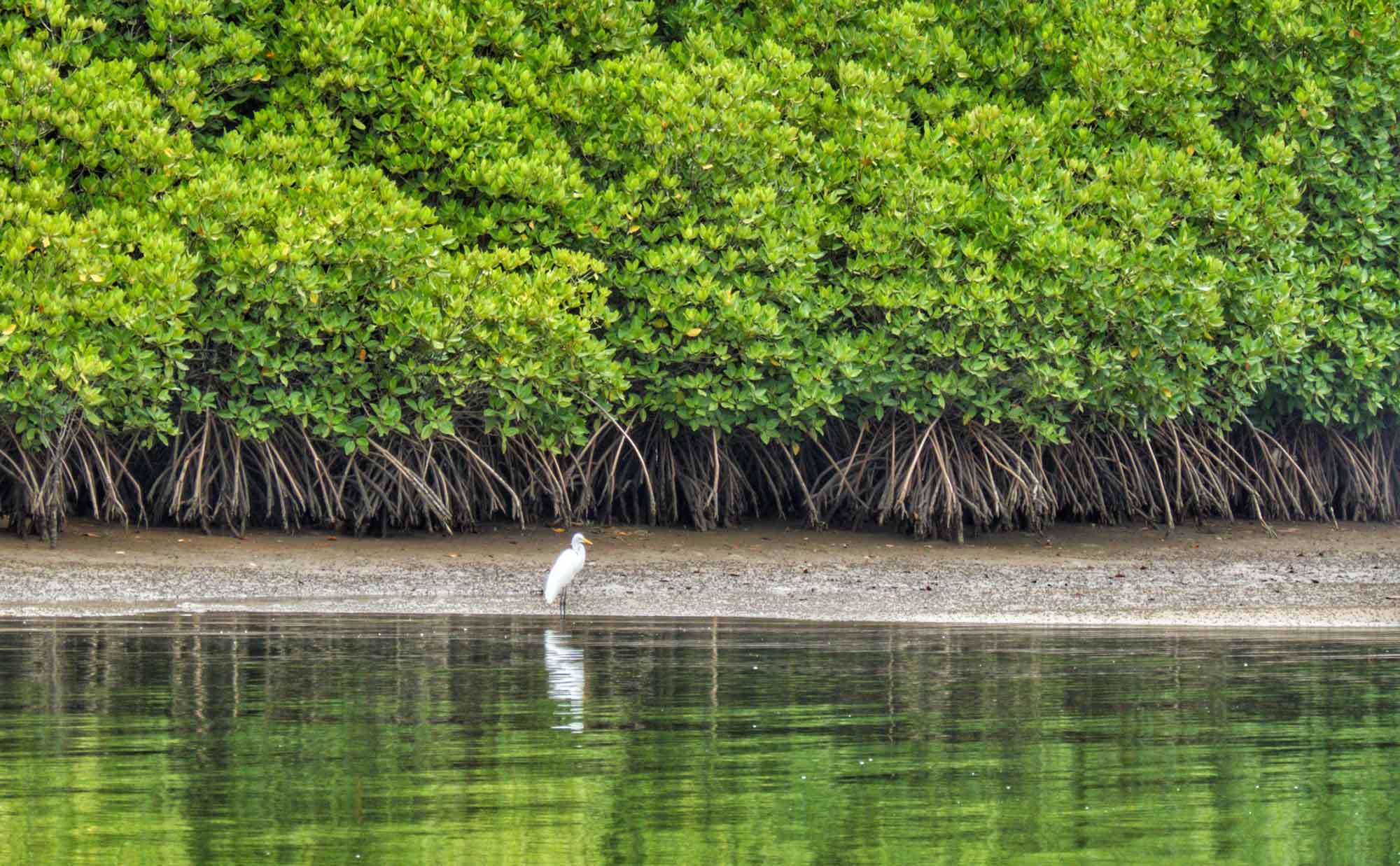
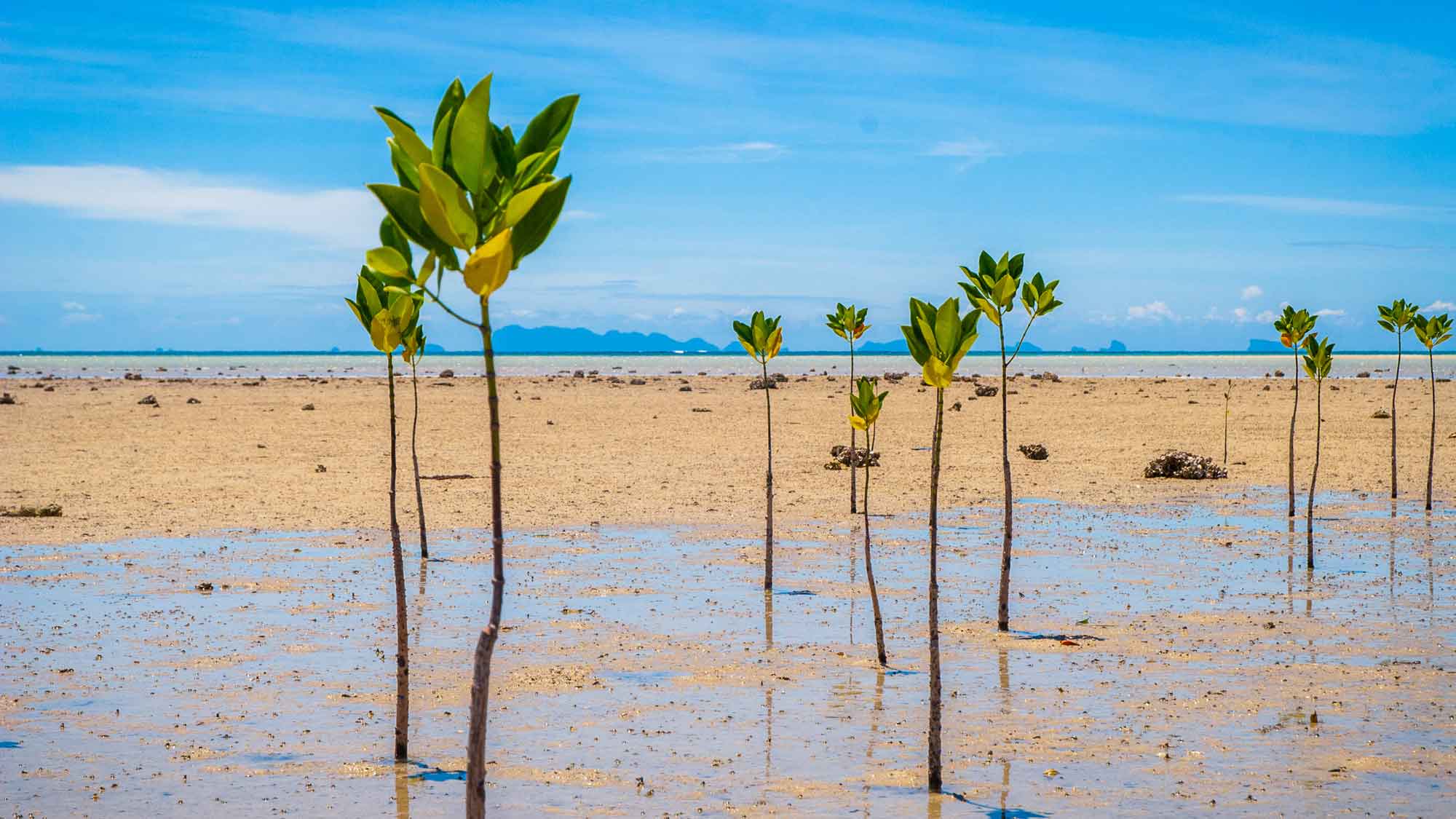
As the climate crisis intensifies, mangroves are gaining long-overdue recognition for their role in protecting both people and the planet. These coastal trees capture and store large amounts of carbon, helping to mitigate the greenhouse gases that fuel climate change. They also boost climate resilience, shielding communities from rising seas...
Download Our Sustainable Travel Tips List
Subscribe to get your free tips list, plus sustainable travel emails and content
Thank You.
Check your inbox for our Sustainable Travel Tips.