A train with renewable energy wind farm in the background

Why Tourism Needs Offsets (and Reduction Alone Isn’t Enough)

“Tourism shouldn’t buy offsets—it should just reduce its emissions.” It’s a common refrain, but it oversimplifies a complex challenge. Offsets aren’t a loophole or an excuse. They’re a necessary counterpart to decarbonization. The industry must reduce emissions wherever possible and invest in carbon offsets as it does so. And it’s not because tourism needs to

Read More »
View of salt marsh in Long Island

Salt Marshes: Wetlands Shaped by the Tides

Salt marshes are some of the most fascinating yet overlooked coastal landscapes. Stretching between land and sea, these wetlands are alive with movement, from shifting tides and rustling grasses to the calls of wading birds. For travelers wandering boardwalk trails or paddling through tidal creeks, salt marshes offer a different way to experience the coast.

Read More »
Mangrove restoration seedlings

Conserving and Restoring Blue Carbon Ecosystems

Coastal ecosystems such as mangroves, seagrass meadows, and salt marshes are powerful natural climate solutions. These blue carbon habitats capture and store vast amounts of carbon while shielding shorelines, supporting marine biodiversity, and strengthening food security in climate-vulnerable regions. Yet they are disappearing due to development, pollution, and other human activities. Protecting and restoring these

Read More »
Dead mangroves

Why Blue Carbon Ecosystems Are Disappearing

Coastal ecosystems like mangroves, seagrasses, and salt marshes do far more than paint a beautiful backdrop for a day by the sea. These blue carbon ecosystems capture and store enormous amounts of carbon, protect shorelines from storms, and support fisheries and tourism around the world. Yet despite the numerous benefits that blue carbon ecosystems bring

Read More »
A turtle eats seagrass, a blue carbon ecosystem, while a school of fish swims above.

Why Blue Carbon Ecosystems Matter

Tucked between land and sea, you’ve probably seen blue carbon ecosystems without realizing how important they are. Maybe you’ve kayaked through mangrove tunnels, floated over seagrass meadows, or spotted birds feeding in a salt marsh at low tide.  These blue carbon habitats do far more than set the scene for coastal adventures; they’re among the

Read More »
Seagrass meadow or bed, a blue carbon ecosystem.

Seagrass: The Ocean’s Hidden Meadows

Hidden beneath the ocean’s surface lies one of Earth’s most important ecosystems. Seagrass is a marine plant that grows in shallow coastal waters, forming underwater meadows known as seagrass beds. These landscapes feed sea turtles, dugongs, and even sharks, while sheltering a diverse array of fish and small organisms. These flowering plants aren’t seaweed but

Read More »

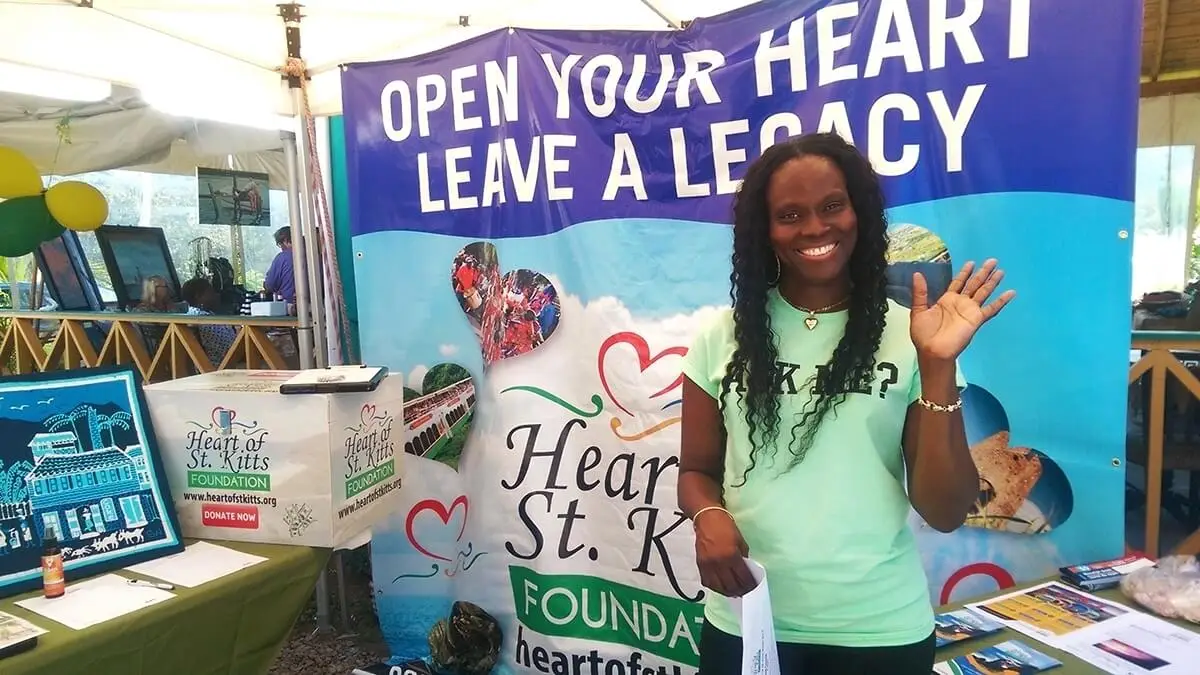
From protecting the nesting habitats of endangered sea turtles to preserving cherished cultural heritage sites, travel philanthropy funds such as the Heart of St. Kitts Foundation have the power to create real, tangible impact at the local level. But this progress doesn’t just happen on its own or because of...

One of the most effective ways of addressing the interrelated issues that impact a tourism destination’s economic, social and environmental well-being is to take a region-wide approach to planning and to equip local people with the information and tools they need to prepare for their future. Here, Sustainable Travel International’s...