 Written By:
  Edited By:
 As travelers become increasingly aware of their environmental impact, many are asking how their trips affect the places they visit. Ecotourism offers a way to experience nature while helping protect it and support the communities that live alongside it.
Our guide to what ecotourism is introduces the concept and the key principles that define ecotourism. This blog builds on that foundation by showing how those principles come to life through real-world ecotourism examples from destinations around the world. These examples help travelers recognize authentic ecotourism experiences and avoid greenwashing, while giving tourism businesses and destinations a better sense of what these principles look like in practice.
Each section ahead dives into one of ecotourism’s core principles, using global examples to highlight what they really mean for tourism on the ground.
Ecotourism Principle #1: Minimize Negative Environmental and Wildlife Impacts
Nature-based tourism often brings travelers into fragile environments where erosion, pollution, habitat disturbance, and stress on wildlife can occur if visitor activity is not carefully managed.
This ecotourism principle calls for travel practices that reduce harm, while supporting ecosystem resilience. Examples include low-impact infrastructure, waste reduction, and responsible wildlife viewing. It also relies on adaptive visitor management, which involves monitoring environmental conditions and adjusting access, routes, or guidelines to reduce pressure and avoid overtourism.
The Galápagos Islands offer an example of why this ecotourism principle matters. Shaped by millions of years of isolation, the islands are home to many species found nowhere else on Earth. Because many evolved without natural predators, they are highly sensitive to disturbance.
To protect these ecosystems, tourism in the Galápagos operates under a carefully managed system. Ninety-seven percent of the archipelago is designated as a national park, with a surrounding marine reserve safeguarding highly biodiverse waters. Zoning restricts visitor activity to specific, less fragile areas. Cruise tourism has been capped since 1998 to keep visitor numbers from overwhelming ecosystems, though land-based tourism continues to present new management challenges. All visitors must follow park rules, including traveling with licensed naturalist guides and staying on marked trails. Renewable energy projects reduce the risk of fuel spills, such as the tanker accident that killed more than 10,000 marine iguanas.
Beyond destination policies and planning, operators can also reduce environmental impacts through how ecotourism activities are designed and delivered. In Norway’s Svalbard archipelago, Svalbard Wildlife Expeditions centers its trips around non-motorized travel, with guests exploring by foot, kayak, or skis. These approaches avoid engine noise, reduce emissions, and limit disturbance to fragile Arctic terrain and wildlife. Guides emphasize maintaining safe distances from animals and following leave-no-trace practices, further minimizing damage to these environments.

Ecotourism Principle #2: Minimize Negative Impacts on Communities and Cultures
Nature is more than an attraction. It is central to the identity and daily lives of the local communities that call these places home.
Without care, nature-based tourism can disrupt that connection. It can degrade culturally important natural sites, crowd local recreation areas, and restrict access to forests and fishing grounds that communities have relied on for generations. It can also strain limited resources, such as water, especially in arid regions where supply is already constrained. Even lodges marketed as “eco-friendly” may use large amounts of water for pools or landscaping, creating tension with nearby households and farmers.
Effective ecotourism supports local livelihoods, respects cultural connections to the environment, and does not come at the expense of the people who depend on these ecosystems.
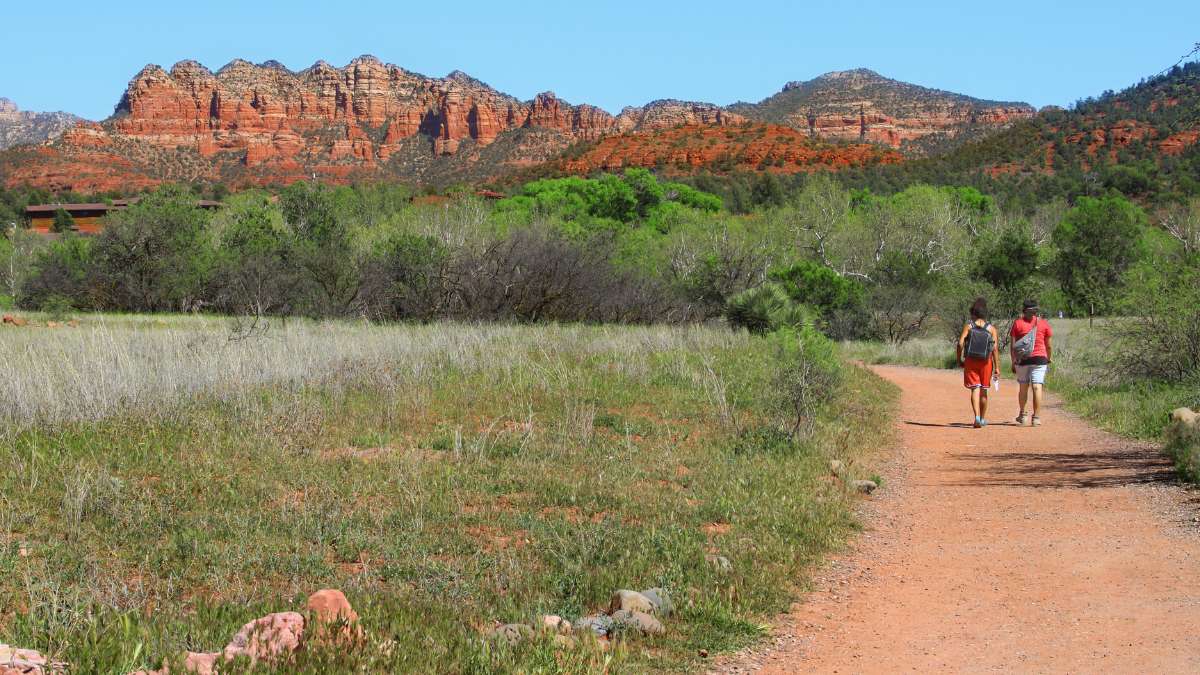
Sedona, Arizona, a desert town known for its red rock landscapes and outdoor recreation, offers an example of how destinations can respond. As visitation increased, residents raised concerns about congestion, noise, and pollution. In response, Sedona began shifting away from traditional destination marketing toward a more community-informed approach.
Today, the destination is investing in transit solutions to reduce traffic, directing visitors away from overused trails, and increasing funding for trail maintenance. It has also introduced limits on helicopter flight paths to reduce noise over residential and sensitive areas, alongside water conservation measures and visitor education campaigns to ease pressure on local resources.
These efforts are ongoing and tourism pressures remain, but through continued resident engagement, data-driven management, and adaptive policies, Sedona is working to better balance tourism with resident quality of life.
Ecotourism Principle #3: Provide Financial Benefits for Conservation
Ecotourism is not just about mitigating harm. It is designed to generate funding to protect and restore the natural areas and wildlife it depends on. Revenue from visitors, such as park fees, trekking permits, and operator donations, is reinvested directly into the ecosystems people come to experience.
In the extreme south of Chilean Patagonia, Torres del Paine National Park is renowned for its spectacular hiking among granite peaks and glacial lakes. Over 350,000 people visit the park each year, putting strain on its fragile landscapes.
In Torres del Paine, tourism directly funds conservation through the Legacy Fund, an initiative that channels contributions from tour operators, lodges, and travelers into priority projects. One major focus has been restoring heavily used trails and installing boardwalks to protect sensitive habitats. The Legacy Fund has also supported the reforestation of wildfire-affected areas and the conservation of the endangered huemul deer that live in the park.
Across the globe in Africa, Rwanda offers another example of how ecotourism can fund conservation. Tourism has helped support conservation efforts that have allowed Rwanda’s mountain gorilla population to recover from the brink of extinction to around 600 individuals today.
In Volcanoes National Park, gorilla trekking permits cost USD 1,500. This revenue helps fund tracking teams who monitor gorilla groups and manage visitor access to minimize disturbance. It also supports anti-poaching efforts, including snare removal, and veterinary care for injured and ill animals.

Ecotourism Principle #4: Provide Economic Benefits for Local Communities
Ecotourism ensures that the people who live closest to natural environments, and have long stewarded them, also share in its rewards. It creates local jobs, supports community enterprises, and builds experiences rooted in Indigenous knowledge. When tourism revenue stays within communities, it rewards their long-standing role in protecting these places and enables them to continue safeguarding the ecosystems on which their livelihoods depend.
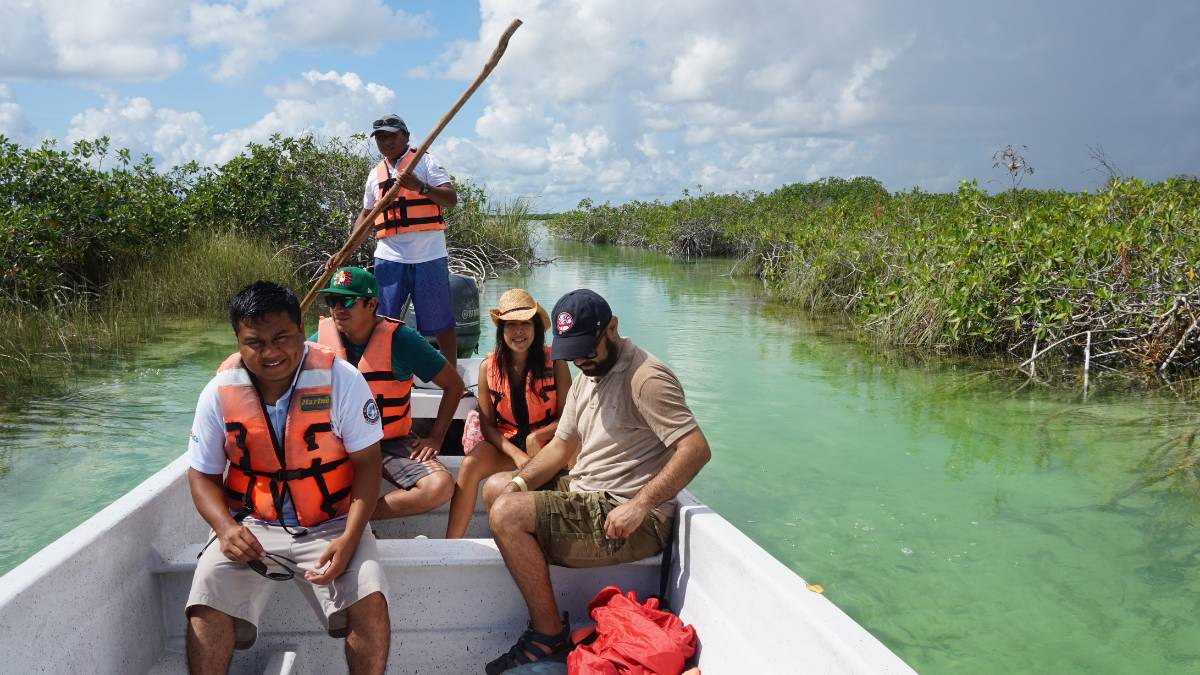
In Mexico’s Sian Ka’an Biosphere Reserve, a Maya-run cooperative offers nature-based tours that deliver economic benefits directly to their community. The ecotours are led by local guides and hosts, offering small-group experiences such as lagoon boat trips, kayaking through ancient mangrove-lined canals, bird watching, and traditional Mayan meals. Because the tours are community-led, income stays in Maya hands. Participating communities have seen household incomes increase by around 30%, along with investment in guide training. This has created a viable alternative to activities like poaching or logging, linking conservation of the reserve with tangible economic benefits.
A similar model can be seen in Nepal’s rural mountain regions. Here, the Community Homestay Network (CHN) creates experiences that combine community immersion with nature exploration. For example, a journey might include hikes through forested hills, a wood carving workshop with a local artisan, and a stay in a family home where visitors learn to prepare traditional Nepali dishes. CHN trains local hosts, many of whom are women, in hospitality and business skills to help them run successful enterprises. This model has generated over USD 139,000 in value across 28 communities.
Ecotourism Principle #5: Empower Indigenous and Local Communities as Equal Partners
While tourism often involves Indigenous and local communities, their role has frequently been limited to service providers or attractions for visitors. In many cases, tourism has offered low wages while contributing to cultural exploitation, land loss, and social disruption.
Ecotourism takes a different approach. It centers on collaboration rather than extraction, shifting communities from participants to decision-makers. Communities help design experiences, share in ownership, and decide how tourism operates on their land and how their culture is represented.
In the Brazilian Amazon, the Indigenous Paiter Suruí people are developing their own ecotourism program. Rather than working for an outside operator, they founded their own agency to manage visitor experiences on their territory.
Suruí community members host visitors and take part in forest walks, storytelling, traditional food, and medicinal plant workshops. The program also includes a botanical garden, handicraft shop, and community-run restaurant, creating income for families. By leading and managing tourism themselves, the Suruí ensure it supports their priorities, protecting the forest and maintaining their cultural traditions.
Ecotourism Principle #6: Build Awareness and Respect
Education sits at the heart of ecotourism, turning travel into an opportunity for learning and connection. This principle ensures visitors leave with more than memories. They gain a greater awareness of local environments, cultures, and the impact of their presence.
Ecotourism-based learning can take many forms, from interpretation by local guides and awareness materials to cross-cultural exchange and hands-on experiences. These interactions create opportunities for both visitors and local communities to share knowledge, strengthen understanding, and build mutual respect for nature and culture.
In Costa Rica, ecotourism offers an example of how this learning comes to life. At the Pacuare Reserve, visitors can take part in guided night patrols to observe sea turtles nesting while contributing to ongoing research. Accompanied by research staff, they may assist with data collection and learn about the turtles’ nesting process firsthand.

Beyond turtles, visitors encounter primates, birds, and other wildlife through guided activities, with staff explaining how the rainforest and coastal ecosystems function and what threatens them. These interpretive experiences turn the reserve into an outdoor classroom, showing how conservation works in practice while building a stronger sense of responsibility for protecting Costa Rica’s biodiversity.
Ecotourism Principle #7: Create Positive Experiences for Both Visitors and Hosts
Ecotourism creates meaningful experiences for both visitors and destination residents. It ensures that tourism supports local priorities and community needs, while also providing high-quality, enriching experiences for travelers. This principle focuses on getting both sides right: tourism that works for the people who live there and the people who visit.
In Bolivia’s Madidi National Park, Chalalán Ecolodge is a community-run model of tourism that embeds these positive outcomes into how the experience operates. Fully owned and managed by the Indigenous people of San José de Uchupiamonas, the lodge was created to protect their ancestral territory and improve living conditions by generating income through ecotourism. Each stay directly contributes to community projects, with ecotourism revenues reinvested in initiatives such as potable water access, health clinics, school construction, and micro-loans for health emergencies.
Visitors hike rainforest trails and canoe across Lake Chalalán, accompanied by Indigenous guides who help spot species that travelers might otherwise miss and explain what visitors are seeing along the way. Visitors leave with incredible wildlife encounters, like observing spider monkeys in the canopy or paddling past caimans at night, and a stronger connection to the place they visited.
Putting Ecotourism into Practice
Understanding the principles of ecotourism is only the first step; the next is putting them into practice. Every journey, no matter how small, offers an opportunity to protect nature, support communities, and travel with intention. Becoming an ecotourist starts with the choices you make: where you go, how you get there, and what you do once you arrive. Before setting off, explore our eco-friendly travel tips to improve your impact along the way.
When selecting an eco-operator or lodge, use these principles to assess whether the provider’s actions align with its claims. Look at how they minimize environmental impacts, support conservation, benefit local communities, and involve local or Indigenous people.
To avoid misleading claims, review the operator’s website, read guest feedback, and compare what’s promised with what’s delivered. Transparency matters—operators that are open about their practices, even if they aren’t 100% perfect, tend to be more credible. You can also explore our guide on how to spot greenwashing in tourism.
For businesses working to improve their sustainability practices, becoming a Sustainable Travel International member provides access to tools, resources, peer exchange, and training to support ongoing progress. For both travelers and businesses, ecotourism starts with awareness and is carried forward through action.