
 Written By:
  Edited By:
 Our first Climate Impact Portfolio of 2026, released on May 4, 2026, supports six carbon offset projects around the world. Read on to learn more about the impact these projects are creating for the climate, communities, and biodiversity.
Carbon offsets purchased from Portfolio 1 of 2026 are distributed across the forestry, energy, blue/teal carbon and carbon removal projects listed below.
Carbon Dioxide Equivalent (CO2e) by Project Type

Impact in Numbers
Altogether, these projects are accelerating the net zero transition by:

Preventing the loss of 1,060,000 acres of carbon-rich forests

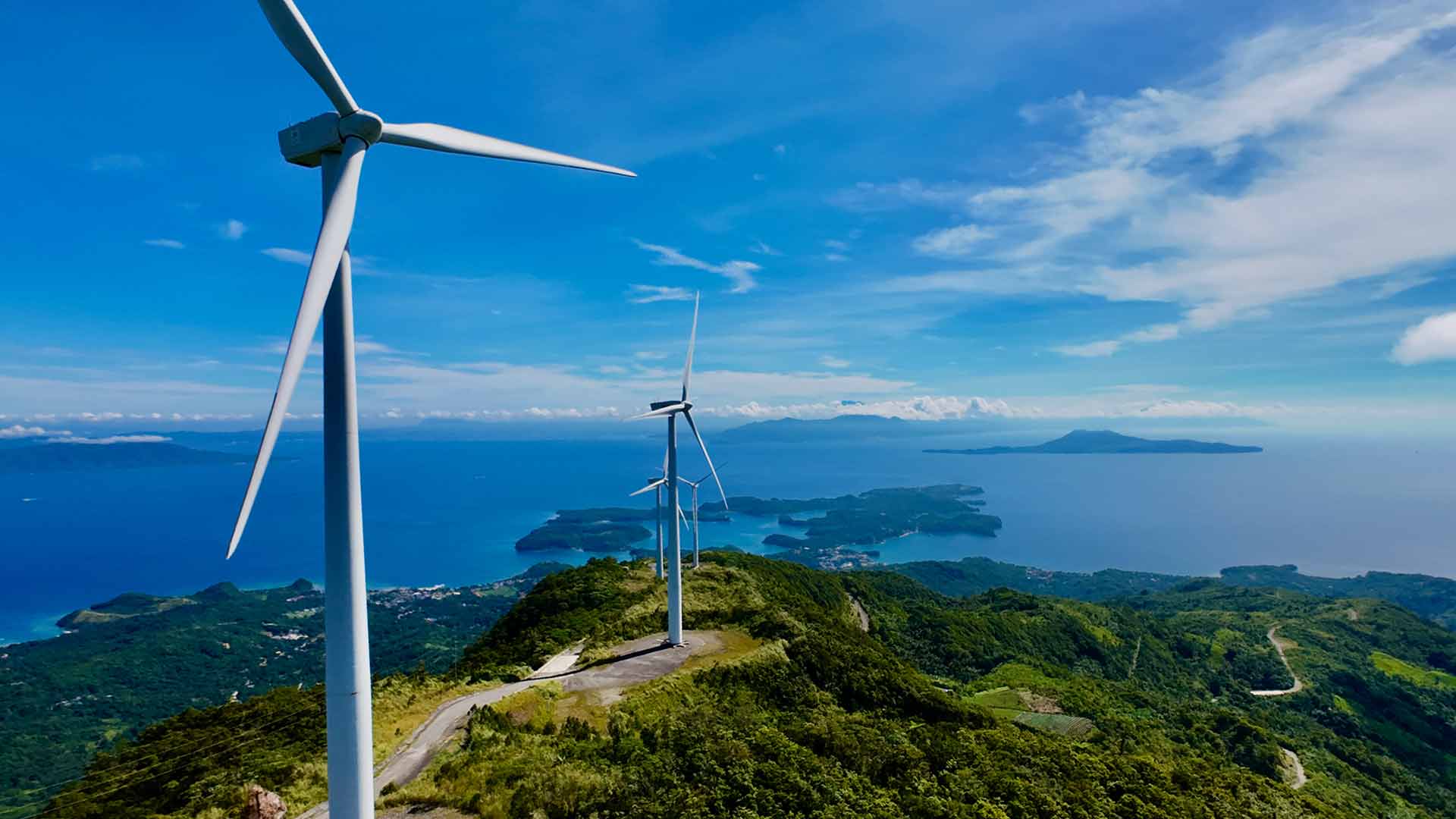
Generating 78.7 GWh of renewable energy yearly
Diverting up to 1,440 m³ of sargassum and green waste from landfills per week
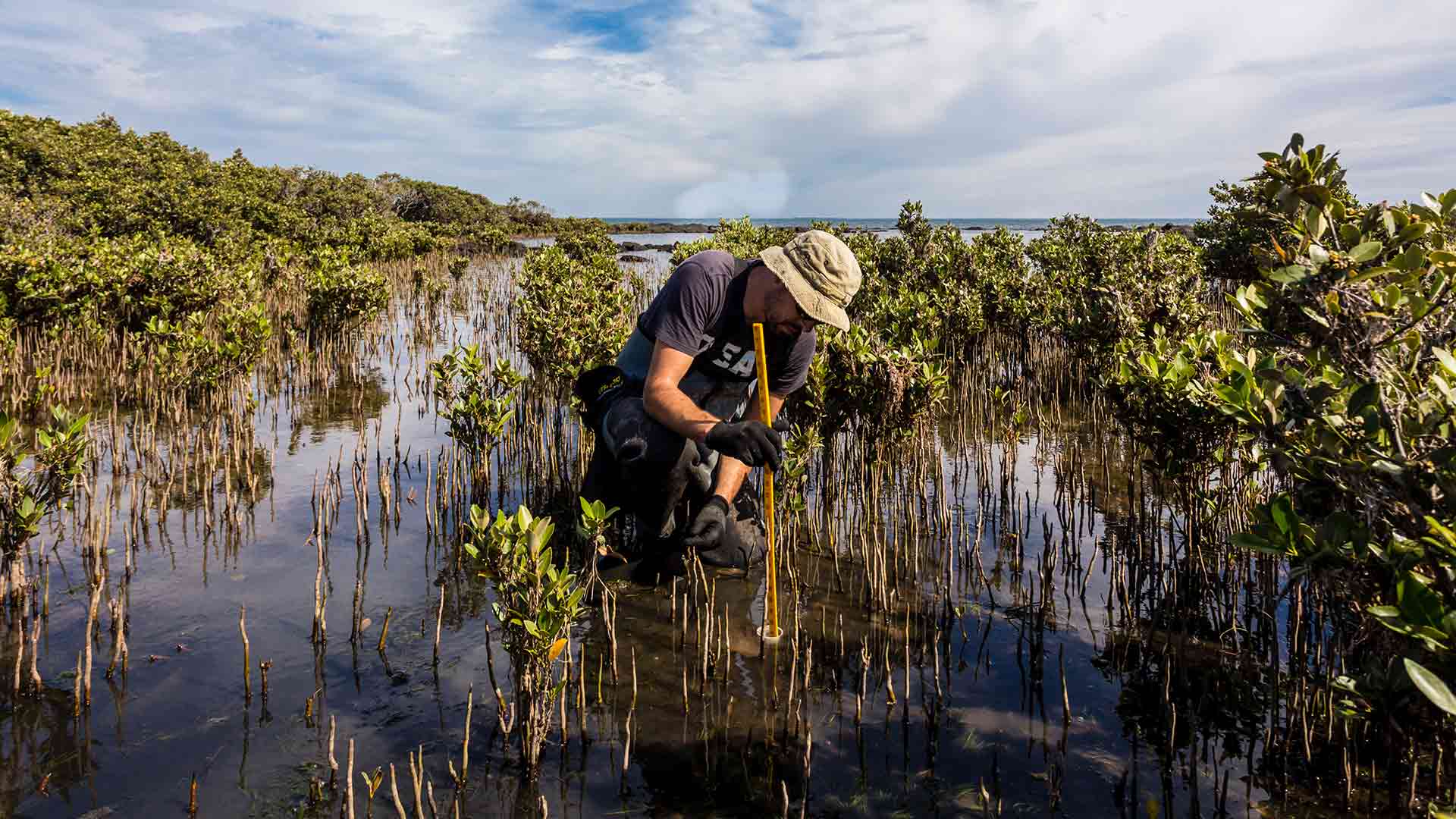
Protecting and restoring 91,317 acres of blue and teal carbon ecosystems
Explore the Projects
Portfolio 1 of 2026 is composed of six climate projects: Macaúbas Waste to Energy, Sargassum Recovery for Clean Coasts, Valle Paleazza, Keo Seima, Yaeda-Eyasi Landscape Project and Rimba Raya Biodiversity Reserve.
Read on to learn more about each of these projects and how they are catalyzing climate action around the world.
39.6% of portfolio

Energy

Brazil
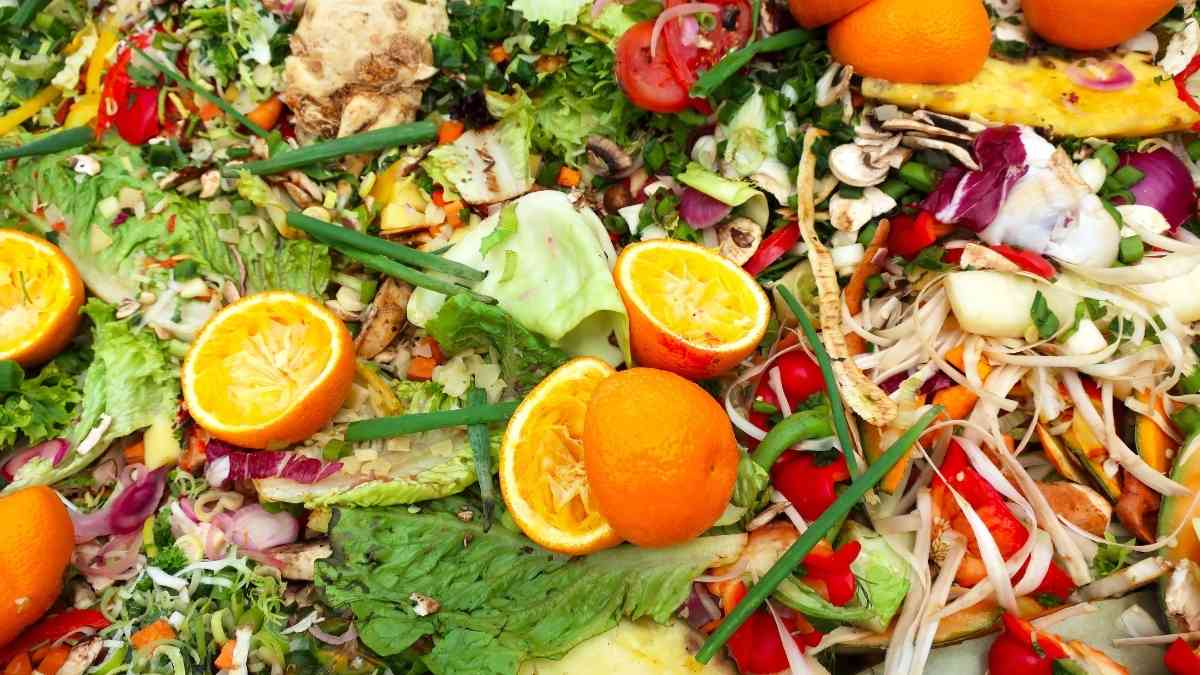
In Brazil’s Iron Quadrangle, the Gold Rush brought a wave of settlement that expanded cities, fostered rich culinary traditions, and increased both energy demand and waste. This project captures biogas from decomposing organic waste at the Macaúbas landfill, preventing methane from escaping into the atmosphere and converting it into renewable electricity. It adds a reliable supplementary energy source as Brazil’s river-powered grid faces increasing strain from climate change, while supporting green jobs and more sustainable economic development.
1.0% of portfolio

Carbon Removal

Mexico
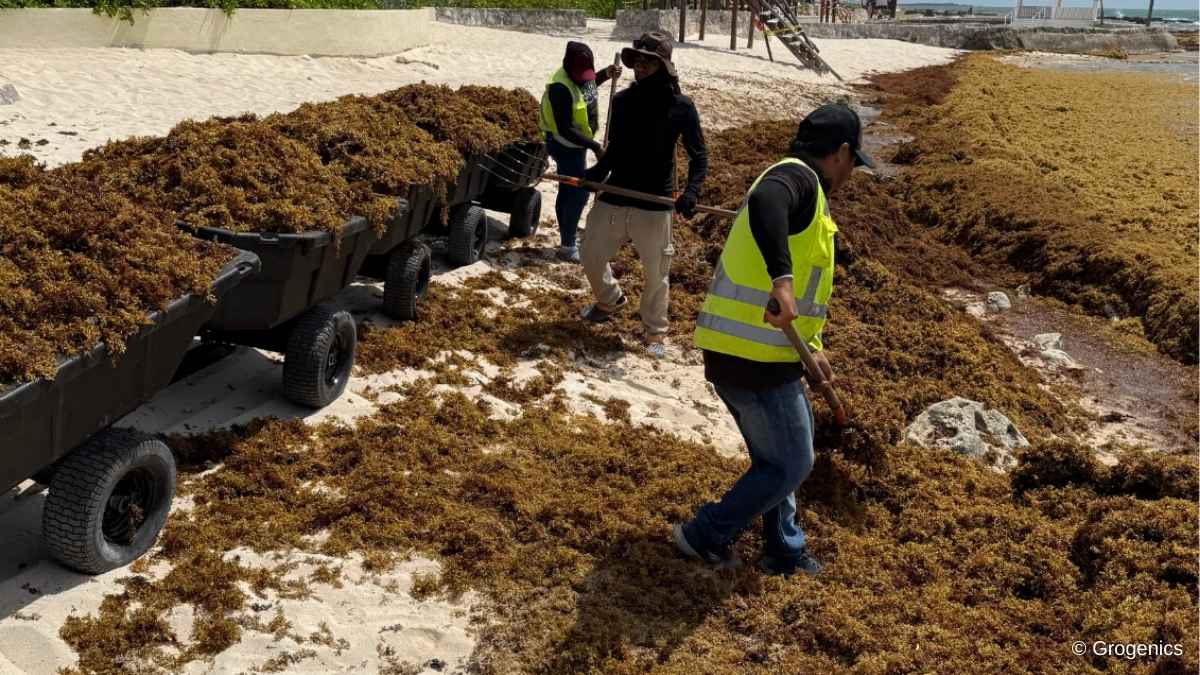
This project addresses the growing influx of sargassum seaweed that threatens reefs, nesting sea turtles, and tourism along Mexico’s Riviera Maya coast. Using low-impact collection, sargassum is removed from resort shorelines, improving marine health, restoring beach allure, and preventing toxic emissions as it decomposes. The collected seaweed is upcycled into biochar, compost, and shoreline protection materials, creating local jobs and supporting women-led farms that supply sustainably grown ingredients for hotel menus. This approach transforms waste into an economic and environmental solution.
Latest Updates
Over the past year, the initiative has secured prestigious recognition for its commitment to biodiversity and “Blue Innovation,” including being named a Top Innovation Winner in the World Economic Forum’s Coastal Tourism Challenge. Further cementing its credibility, the project was awarded the Ocean Solution Label by the Sustainable Ocean Alliance and was recently honored as a finalist for the 2026 Unlocking the Planet Award. These accolades underscore the project’s role in advancing climate resilience and fostering sustainable livelihoods within coastal ecosystems.
5.8% of portfolio

Blue/Teal Carbon

Italy
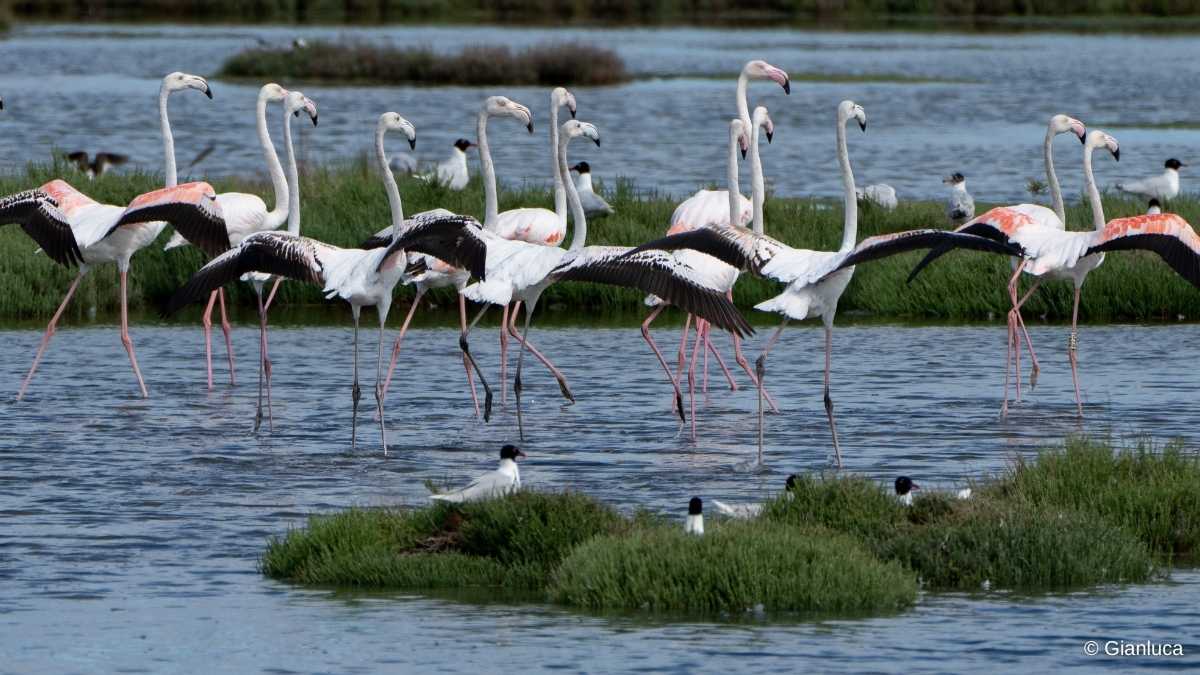
This project restores centuries-old fishing valleys in the Venice Lagoon, revitalizing blue carbon habitats through traditional water management and ecological restoration. By combining local heritage with ecosystem recovery, the project removes carbon and supports fish nurseries and bird nesting grounds. This sustains small-scale fishing and aquaculture livelihoods and creates opportunities for nature-based tourism. The project also reduces erosion and flooding, increasing the resilience of low-lying communities in the face of climate change.
Latest Updates
In April, the project continued its tree planting efforts in Valle Palleazza, successfully planting 200 additional trees along the valleys. In addition to planting trees, the team has been implementing an ongoing maintenance program to ensure new saplings thrive, including regular watering during dry periods, monitoring planet health, and replacing any trees that don’t survie. They also conduct periodic checks to manage pests and diseases, clear invasive vegetation, and maintain optimal soil conditions, providing structural support where needed. By maintaining these conditions, the project team ensures that both existing and newly planted trees remain healthy and resilient.
34.9% of portfolio

Forests

Cambodia
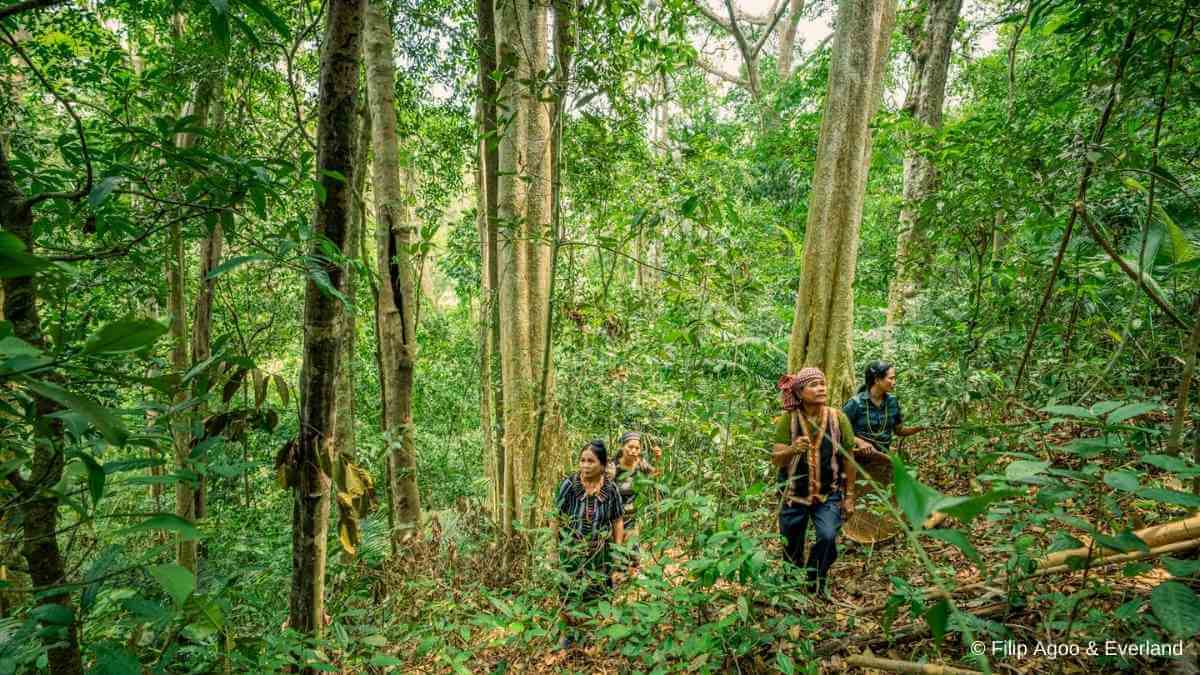
This project conserves a tropical forest sanctuary that holds significant cultural and economic value to the Indigenous Bunong people. The project cuts emissions from deforestation by protecting this area from unsustainable farming and logging and addressing social issues like hunger and poverty that drive communities to extractive practices. Along with safeguarding tree species that cannot be found elsewhere, the sanctuary impedes wildlife trafficking and provides a refuge for endangered species like the yellow-cheeked gibbon.
Latest Updates
The project has significantly strengthened local governance and community resilience through a series of collaborative initiatives. By facilitating focus group discussions and providing leadership training, the team has ensured that forest protection efforts in Cheung Phnum Beng and Karamash are firmly rooted in Indigenous leadership and transparent management. This commitment to local empowerment extends to frontline safety, with recent intensive first-aid training delivered in partnership with the Cambodian Red Cross to prepare patrol teams for emergencies in remote areas.
Beyond governance and safety, the project is actively fostering a deeper connection between conservation and cultural heritage. The construction of traditional Bunong houses within the Keo Seima Wildlife Sanctuary serves as a vital anchor for Indigenous architectural history, while the collaborative «Green Sprouts» campaign encourages the wider community to take personal responsibility for reforestation. By integrating these cultural landmarks with active, community-led environmental stewardship, the project creates a holistic approach that protects both the natural landscape and the traditional identity of those who care for it.

4.7% of portfolio
Forests
Tanzania
This project helps Tanzania’s indigenous communities safeguard their natural resources and prevent their land from being converted into cropland by encroachers. With a focus on preserving their forested homeland and traditional lifestyles, the project provides the communities with a new income stream and funds social initiatives that improve access to education and healthcare.
Latest Updates
The project is currently undergoing a rigorous five-year verification by independent experts under the Plan Vivo Standard. This process ensures that the carbon savings reports are real and can be measured on the ground. As part of the review, the project is also updating its carbon baseline using the latest accounting methods. Additionally, a biodiversity monitoring program has been introduced, which uses bird species as indicators to track overall ecosystem health.
This transition period is also being used to strengthen how the project works with local communities. It is improving its Free, Prior, and Informed Consent (FPIC) and social assessment processes to far surpass standard requirements, ensuring communities are fully involved and have a strong voice in decisions across the Yaeda-Eyasi landscape.

14.0% of portfolio
Blue/Teal Carbon
Indonesia
This project is conserving a peat swamp forest in Indonesian Borneo that was slated for conversion to palm oil plantations. Along with protecting this carbon rich ecosystem, the project supports the reintroduction of critically endangered orangutans into their wild habitat. By addressing issues such as poverty, hunger, and disease, the project is tackling the root causes of deforestation while improving local livelihoods.
Offset Carbon to Support Our Climate Impact Portfolio
When you offset carbon with us, you’ll support our Climate Impact Portfolio. Though particular projects vary from one quarter to the next, our portfolio always includes a mix of forestry, energy, blue/teal carbon, and carbon capture removal projects.