


In Brazil’s Iron Quadrangle, the search for gold set off a wave of settlement that continues to define the region today. The population influx stemming from the gold rush expanded cities and fostered rich culinary traditions, while also increasing energy demand and waste production. As organic waste, including food scraps, breaks down in landfills, it releases methane—a greenhouse gas even more potent than CO₂. At the Macaúbas landfill, this project captures that biogas before it escapes into the atmosphere and converts it into renewable electricity. Brazil has long relied on hydropower from its rivers, but climate change is putting increasing strain on these systems. By providing a reliable, supplementary power source and creating green jobs, this project helps diversify the energy mix, strengthen resilience, and support sustainable economic development.
Where & Why
Brazil’s Iron Quadrangle: Where Rivers Led to Gold
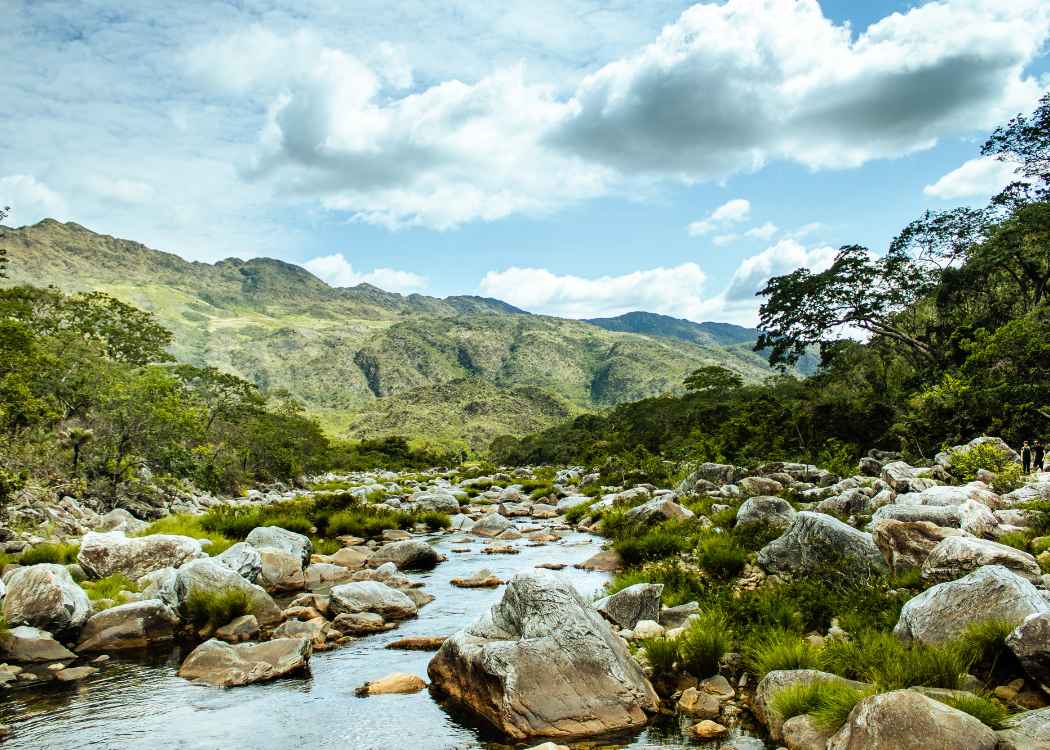
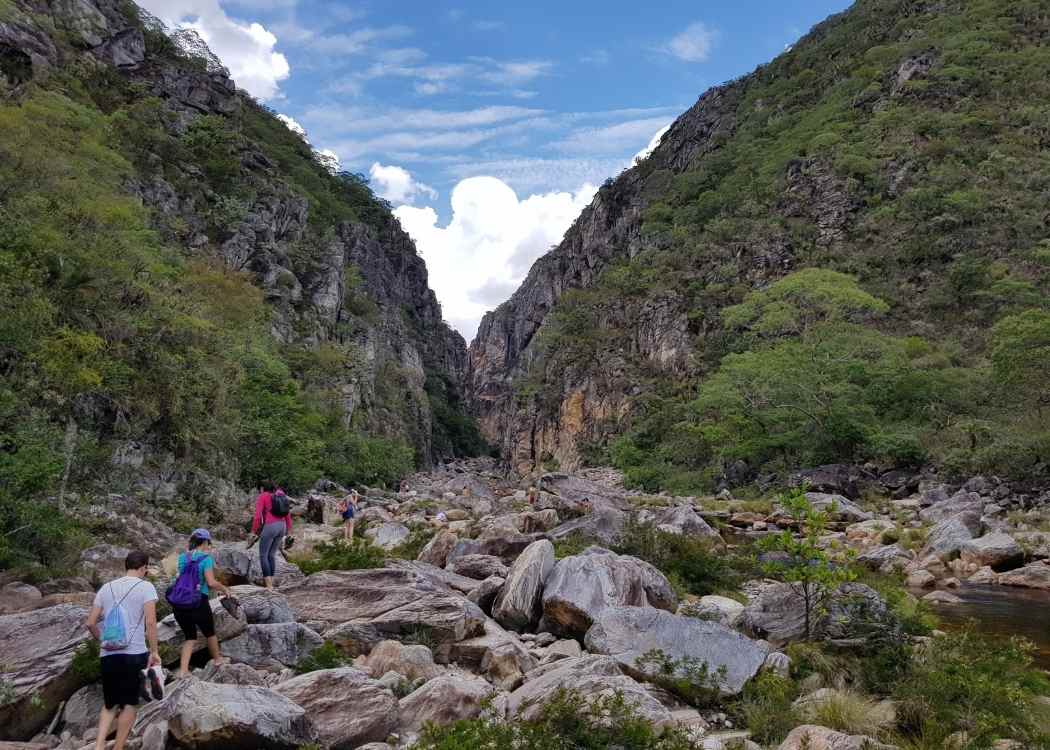
Brazil’s Iron Quadrangle is a region shaped by discovery. Early explorers followed clear mountain streams, their waters glinting with mineral deposits, in search of the legendary Sabarabuçu: the “mountain of gold.” While tracing these waterways, they uncovered rich deposits that sparked Brazil’s gold rush. The search for gold triggered a massive migration from the coast to the remote interior, transforming the wilderness into a network of wealthy mining towns.
As the gold rush faded, the region evolved. While mining remains a key economic activity today, it is now largely driven by iron ore production.
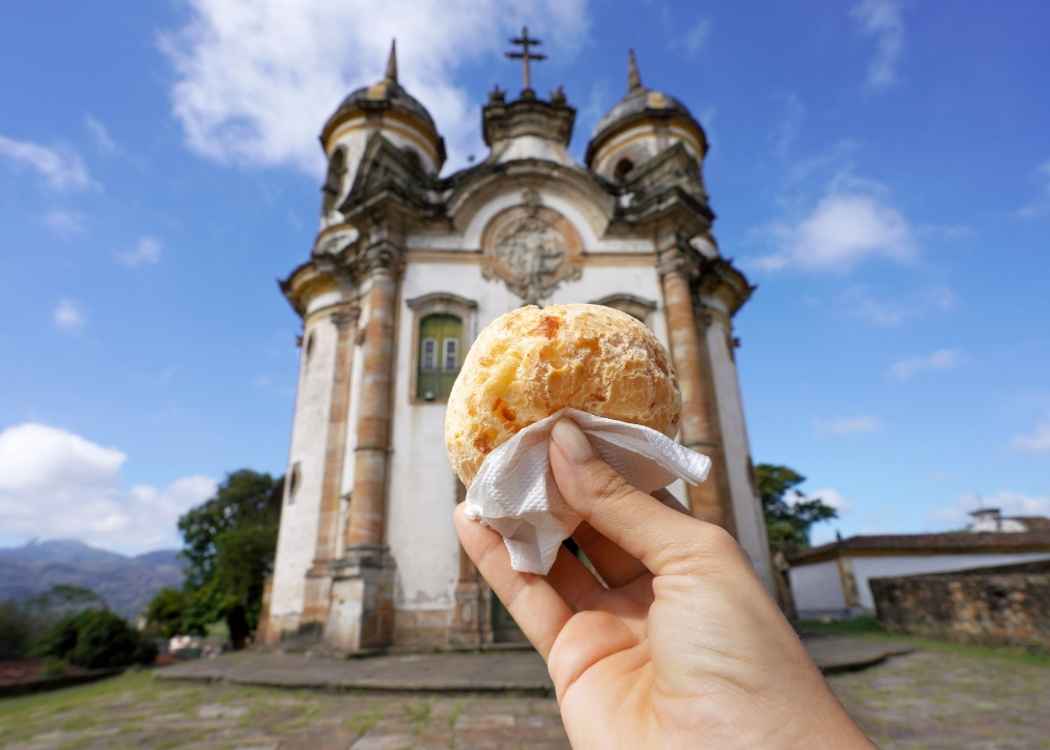
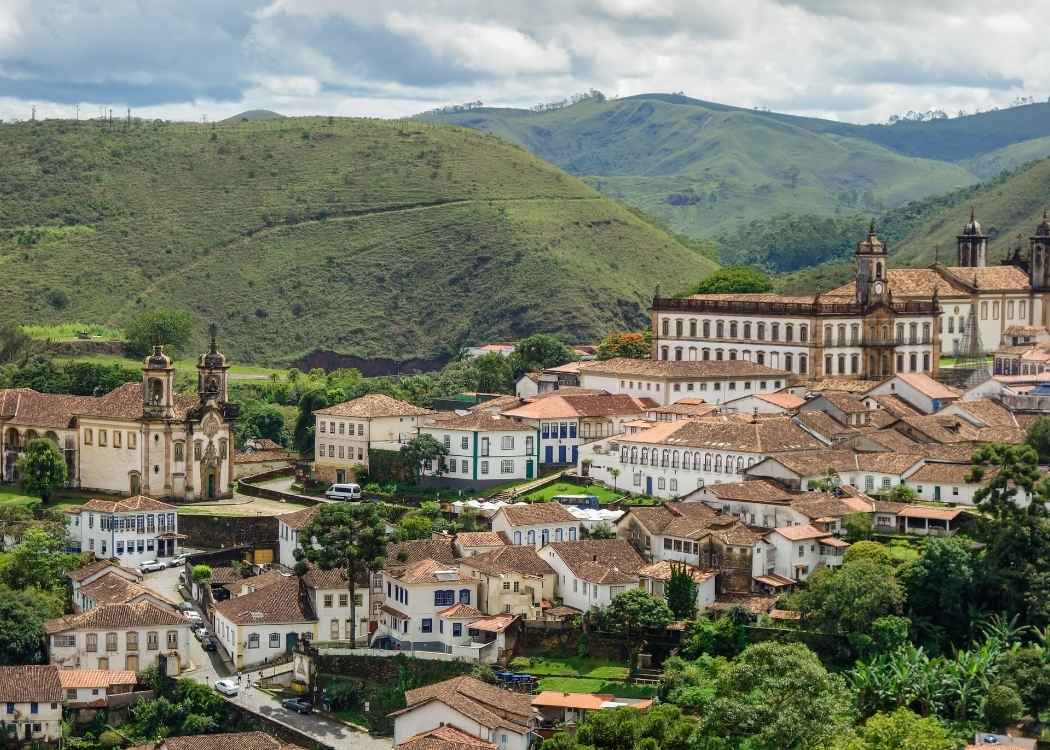
Yet traces of the past are still visible. Historic mining towns like Sabará and the UNESCO-listed Ouro Preto offer a window into a bygone era, where colonial buildings, cobblestone streets, and Baroque churches adorned with intricate gold embellishments reflect the scale of that prosperity. The legacy extends to the region’s modern hub, Belo Horizonte, where an internationally acclaimed culinary scene reflects the diverse influences brought by the influx of people during the gold rush. The city is known as the capital of pão de queijo, Brazil’s staple cheese bread, developed during this time through the ingenuity of enslaved Africans brought to the region to work in the mines.
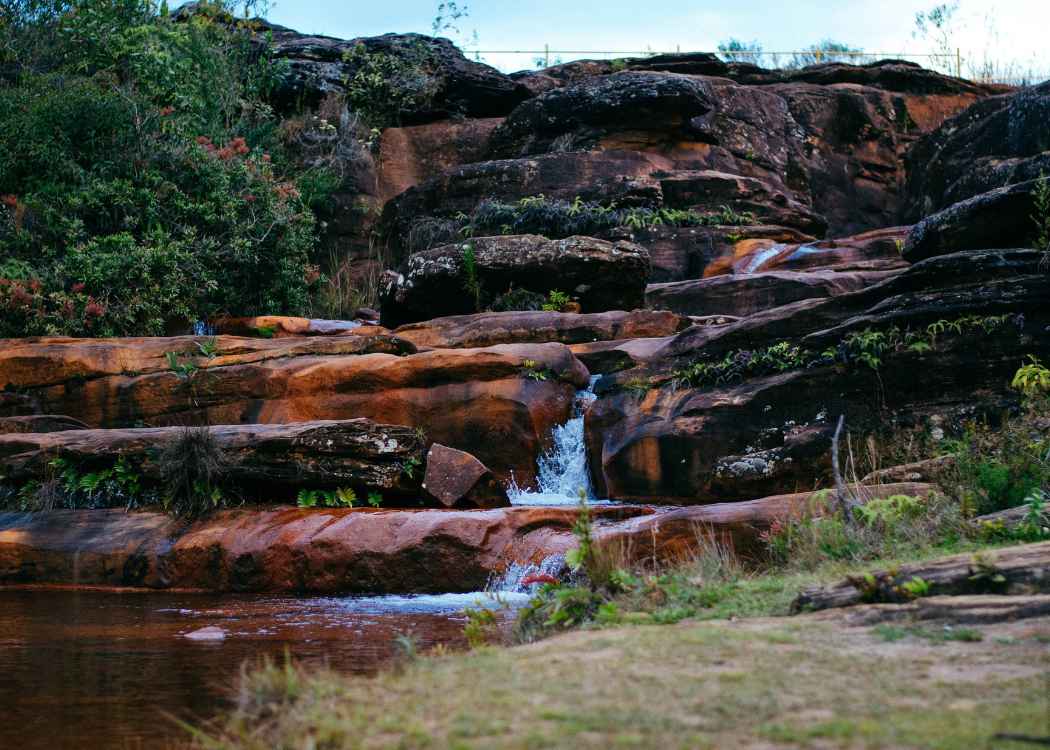
Alongside this heritage, the same rivers that once guided explorers through the Espinhaço Mountains remain central to the region’s appeal. Today, their waterfalls and rugged landscapes attract a different kind of adventurer: visitors drawn by hiking, canyoning, and time in nature. This modern rediscovery of the region is driving a new wave of exploration. Tourism in the state is growing at double the national average, reaching 32 million visitors in 2024 as it gains recognition as a must-see destination.
When Hydro Can’t Meet Demand, Fossil Fuels Fill the Gap
Today, the towns and rivers that drove the region’s development are showing the effects of increasing pressure. A long history of extraction, combined with rapid urban expansion and rising tourism, is placing growing demands on local environments and systems.
As cities and populations have expanded, electricity demand has surged. The country’s power generation has more than doubled in recent decades to keep pace.
That growing demand is straining an energy system heavily dependent on rivers and consistent water levels. Hydropower is the primary source of Brazil’s electricity, and the rivers in this state support more hydropower plants than anywhere else in the country, making them critical to energy security and economic stability.
Climate change is intensifying these challenges. More frequent and prolonged droughts reduce water availability, while extreme rainfall events increase the risk of flooding, infrastructure damage, and sediment buildup. These climate impacts can affect hydropower performance.
As hydropower becomes less reliable and demand continues to rise, the gap is increasingly filled by fossil fuel power plants.
A Growing Waste Problem = A Growing Climate Problem
Pressure on the region isn’t limited to energy systems. As the region has grown, so too has the volume of waste it produces.
The Macaúbas landfill, which serves Sabará and 24 surrounding cities, receives around 3,000 metric tons of waste each day — roughly the equivalent of more than 200 garbage trucks.
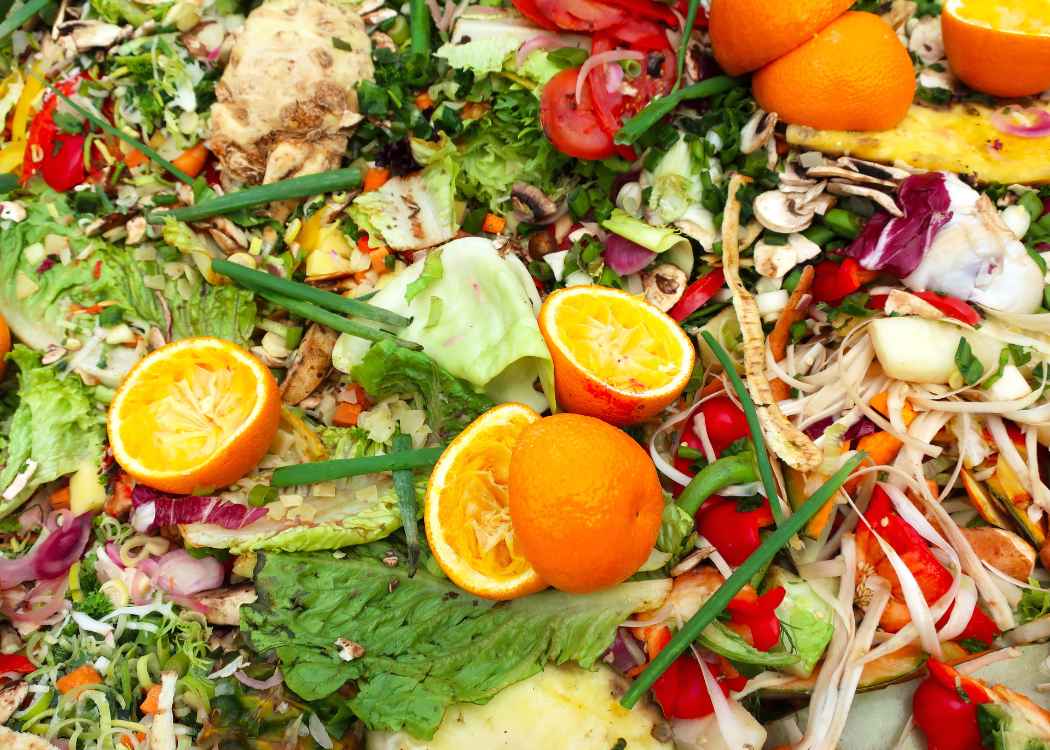
Across Brazil, around 45% of urban waste is organic, such as food scraps and garden waste. This pattern is reflected in the waste stream reaching the Macaúbas landfill. In one nearby municipality whose waste is sent to Macaúbas, nearly two-thirds of organic material is still discarded with general waste.
Tourism adds to this broader waste stream. Food is a central part of travel, especially in places known for their gastronomic identity, like Belo Horizonte. Many parts of the tourism experience, from restaurants to local markets and festivals, produce surplus food that ends up in the trash. Across Brazil, tourism generates over 130,000 metric tons of solid waste each year, including food waste, plastic packaging, and other disposable items used by visitors.
When organic waste, including food, is sent to landfills, it breaks down and releases methane—a greenhouse gas that traps 28 times more heat in the atmosphere than carbon dioxide over a 100-year period. In Brazil, the waste sector is the second-largest source of methane emissions, largely due to solid waste disposed of in landfills. Estimates suggest the Macaúbas landfill could generate methane emissions equivalent to up to 950,000 metric tons of CO₂ per year, roughly equal to the annual emissions of 221,000 gas-powered vehicles.
Beyond its climate impact, methane also poses risks to nearby communities. It is highly flammable and releases foul-smelling compounds that degrade air quality and create health hazards.
With populations rising and waste volumes increasing, the challenge is only expected to grow. Without changes to how waste is managed, municipal solid waste in Brazil is projected to increase nearly 45% by 2050, underscoring the urgency of improved waste and methane management.
How & Who
Waste to Energy: From Emissions to Local Power Supply
At the Macaúbas landfill, that methane is no longer simply escaping into the atmosphere.
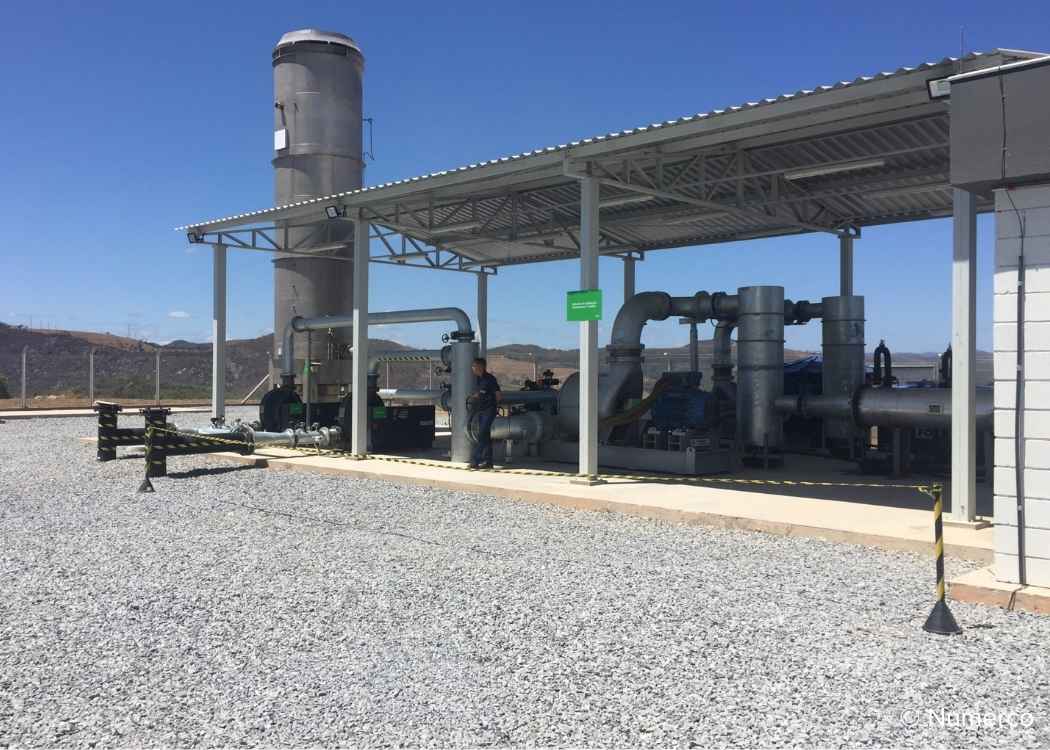
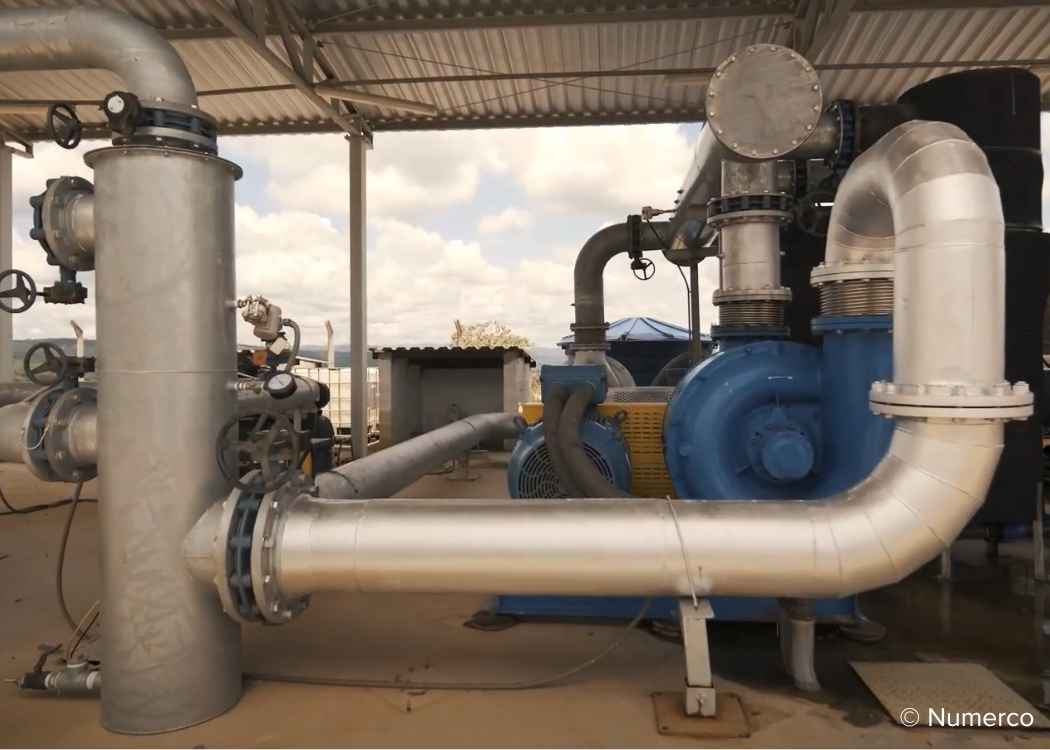
Instead, this project has installed a system to capture biogas from decomposing organic waste before it can leak out methane, which contributes to climate change. The project uses a network of pipes to collect the gas and direct it to an on-site power plant, where it’s converted into electricity and fed into the local grid. At full capacity, the system is expected to generate nearly 80,000 MWh of electricity annually—enough to support around 120,000 residents—providing a reliable, supplementary source of renewable power to help meet growing energy demand.
Any excess gas that cannot be used for electricity is safely burned, preventing it from entering the atmosphere.
By capturing and using landfill gas, the project directly reduces methane emissions, avoiding an estimated 440,000 metric tons of CO₂e each year while also displacing more carbon-intensive energy sources. What was previously warming the planet is now helping to power it with lower-emissions energy.
The project uses a methodology that meets the ICVCM Core Carbon Principles, meaning it adheres to one of the most rigorous standards for carbon credit quality and oversight. This helps ensure the emissions reductions are credible and would not have occurred without the support of carbon offsets.
Supporting Green Local Economic Development
By generating electricity from waste, the project adds a steady, affordable source of power for a growing population. This is especially important as cities expand and energy demand continues to rise, supporting more stable and sustainable economic development.
It also helps future-proof the energy system against worsening climate impacts. By adding a reliable, local power source to the grid, the project strengthens resilience as hydropower systems become more vulnerable to shifting weather patterns.
The project also drives green economic growth by creating jobs in renewable energy. It employs local labor during both construction and ongoing operations, and contributes to the regional economy by sourcing materials and services locally. Workers are trained to operate and maintain the facilities, building local skills and gaining valuable technical experience under the guidance of specialists.
Finally, the project reduces the risk of fires and explosions at the landfill while minimizing pollution and odors, improving safety and living conditions for workers and nearby communities. It reinforces that sustainable development is not only about economic growth, but about creating healthier places for people to live.

Environmental Benefits
- Mitigates climate change by preventing methane emissions from entering the atmosphere and generating cleaner energy that displaces fossil fuels
- Improves waste management by capturing and using landfill gas

Community Benefits
- Strengthens energy security and climate resilience by providing a stable, affordable power source
- Creates local jobs and builds technical skills for the green economy
- Supports sustainable development by adding reliable infrastructure for growing communities
- Reduces safety, health risks, and unpleasant conditions
Project Type

Energy
(Renewable Energy – Biogas)
Location
Brazil
Annual CO2 Reduction
445,100 metric tons of CO2e (expected annual average for crediting period)
SDGs Supported
Verification Standard
Project Developers
Vital Engenharia Ambiental S.A.
Project Documents






Related Travel Experiences
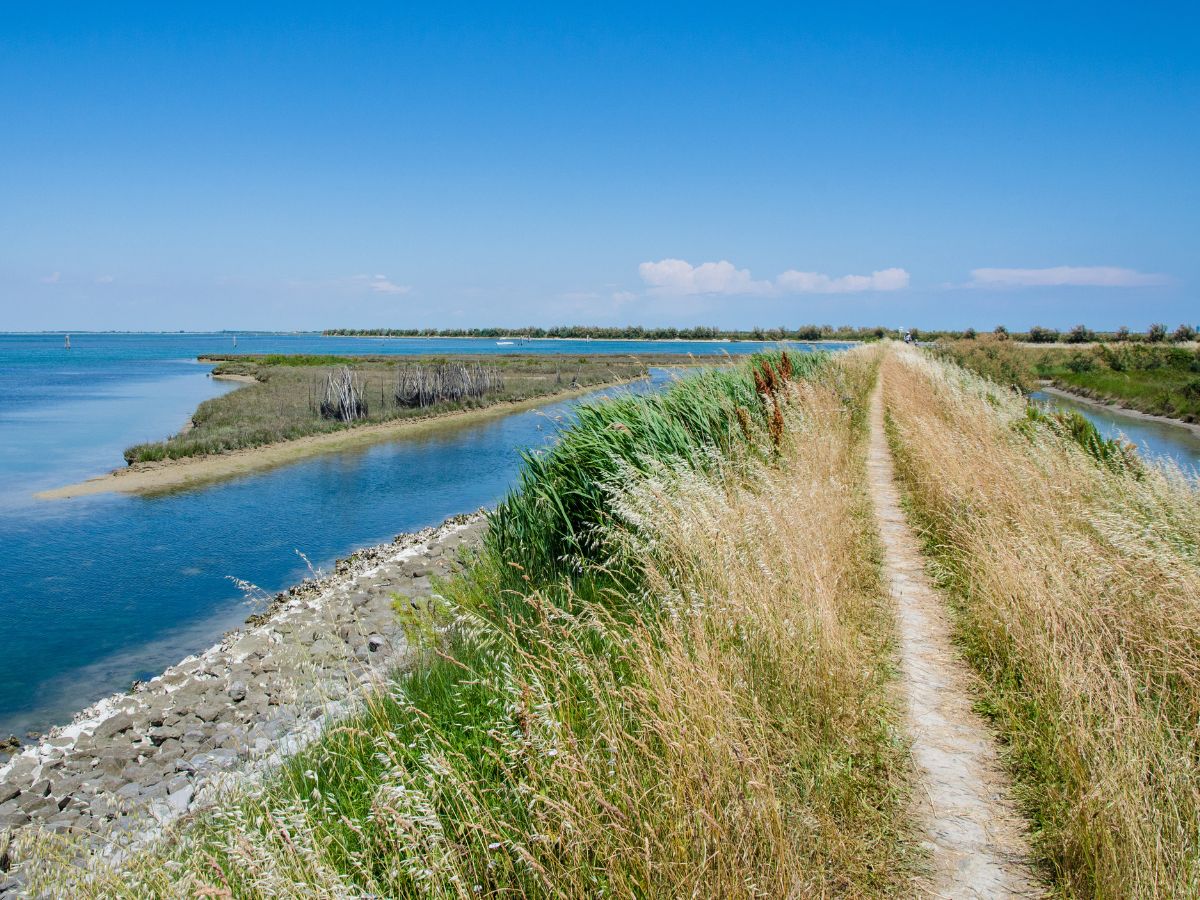
These immersive experiences offer a firsthand opportunity to learn about the lagoon ecosystem that the project is protecting and see the real-world results on the ground.
A Day in the Valley
Valle Paleazza offers immersive experiences that blend nature, culture, and the authentic flavors of the Venetian Lagoon. Guided educational trails showcase the valley’s plants and wildlife, highlighting its ecosystems and the traditions connected to this landscape. Other experiences include barbecues featuring fresh fish from the valley, seasonal tastings of regional specialties and wines, and aperitifs enjoyed among the scenic salt marshes. Together, these activities provide opportunities to explore the lagoon beyond the typical tourist trail, fostering deeper connections with its wildlife and heritage while savoring its distinctive cuisine.
News & Stories
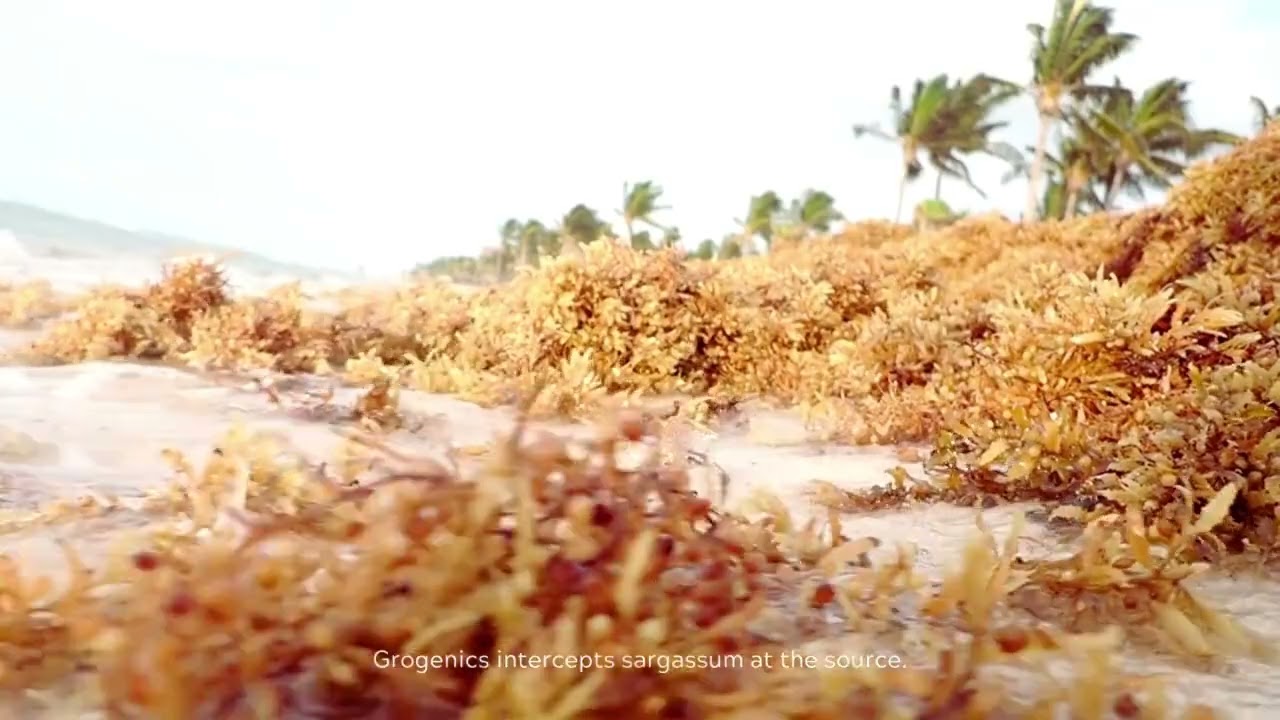
View the latest blogs and videos about the Sargassum Recovery for Clean Coasts project.
Waste in Tourism
Explore how tourism contributes to waste in destinations worldwide, and what you can do to reduce your impact when you travel.

Offset Your Travel Footprint
Calculate and offset the carbon footprint of your travel. Support projects that safeguard ecosystems, invest in cleaner energy, and advance climate action around the world.
