 Written By:
  Edited By:
 Our fifth Climate Impact Portfolio of 2024, released on September 30, supports five carbon offset projects around the world. Read on to learn more about the impact these projects are creating for the climate, communities, and biodiversity.
Carbon offsets purchased from Portfolio 5 of 2024 are distributed across the forestry, energy, carbon capture and removal, and blue/teal carbon projects listed below.
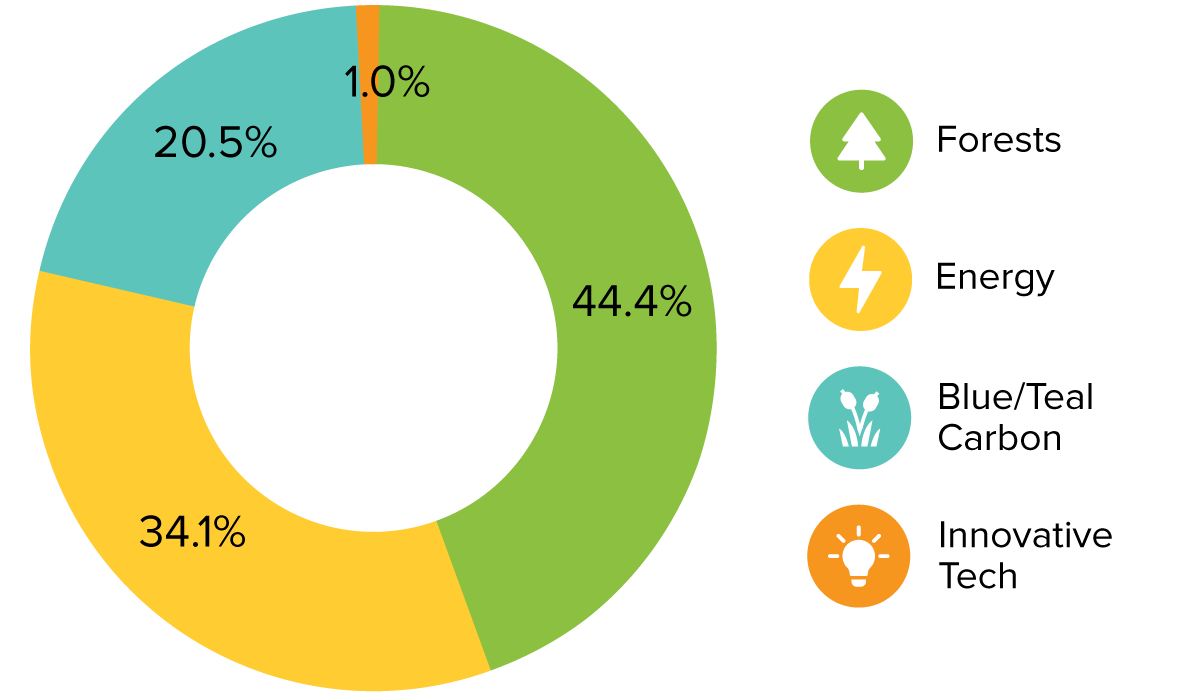
Carbon Dioxide Equivalent (CO2e) by Project Type
Impact in Numbers
Altogether, these projects are accelerating the net zero transition by:

Preventing the loss of 1.06 million acres of carbon-rich ecosystems
Generating 370 GWh of clean energy yearly instead of burning fossil fuels
Applying mycorrhizal fungi to 20,000 acres of crops to enhance soil carbon removal
Restoring over 11,074 acres of peat swamp forest by planting native trees
Explore the Projects
Portfolio 5 of 2024 is composed of five climate projects: Rootella Carbon, Keo Seima, Larimar Wind, Yaeda-Eyasi Landscape Project, and Katingan Mentaya Project.
Read on to learn more about each of these projects and how they are catalyzing climate action around the world.
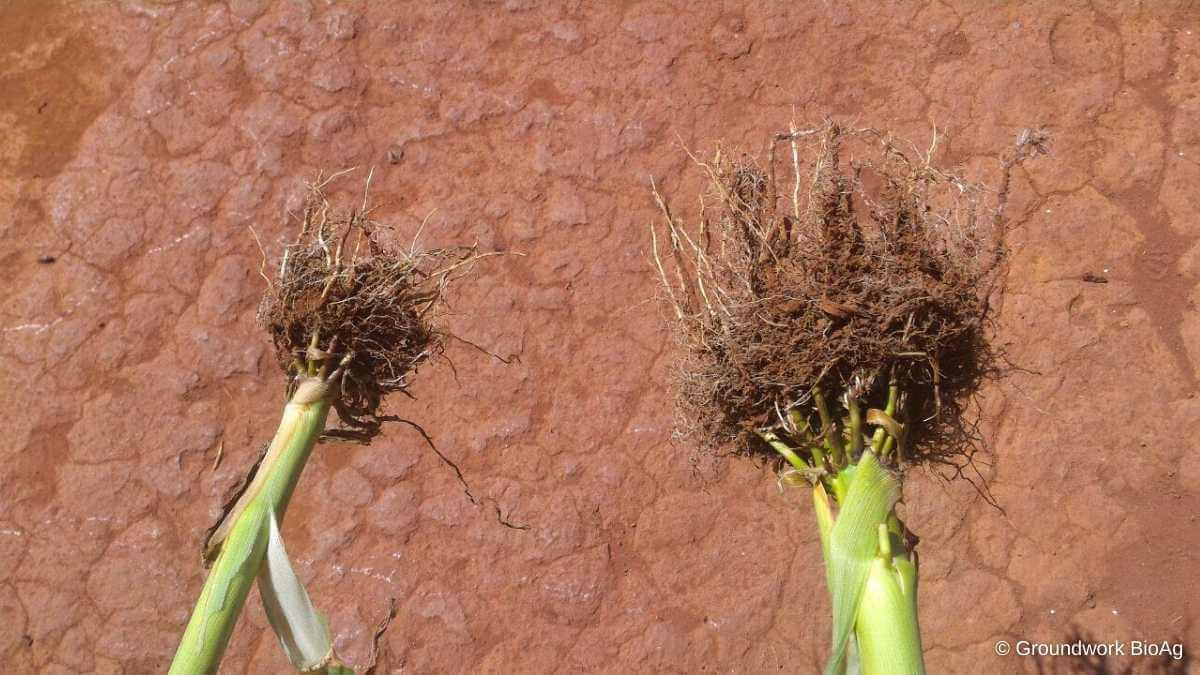
1.0% of portfolio

Carbon Removal

United States
Rootella is a seed treatment and soil additive full of mycorrhizal fungi that create a symbiotic relationship with crops and increase plants’ natural ability to sequester carbon in the soil. The fungus extends the plant root in an underground web, significantly improving nutrient uptake and making crops more resilient to climate change impacts like storms and drought. This results in healthier plants that require less chemical fertilizers and larger harvests that strengthen food supplies. Farmers benefit economically from higher crop yields, lower fertilizer expenses, and carbon credit revenues.
41.0% of portfolio

Forests

Cambodia
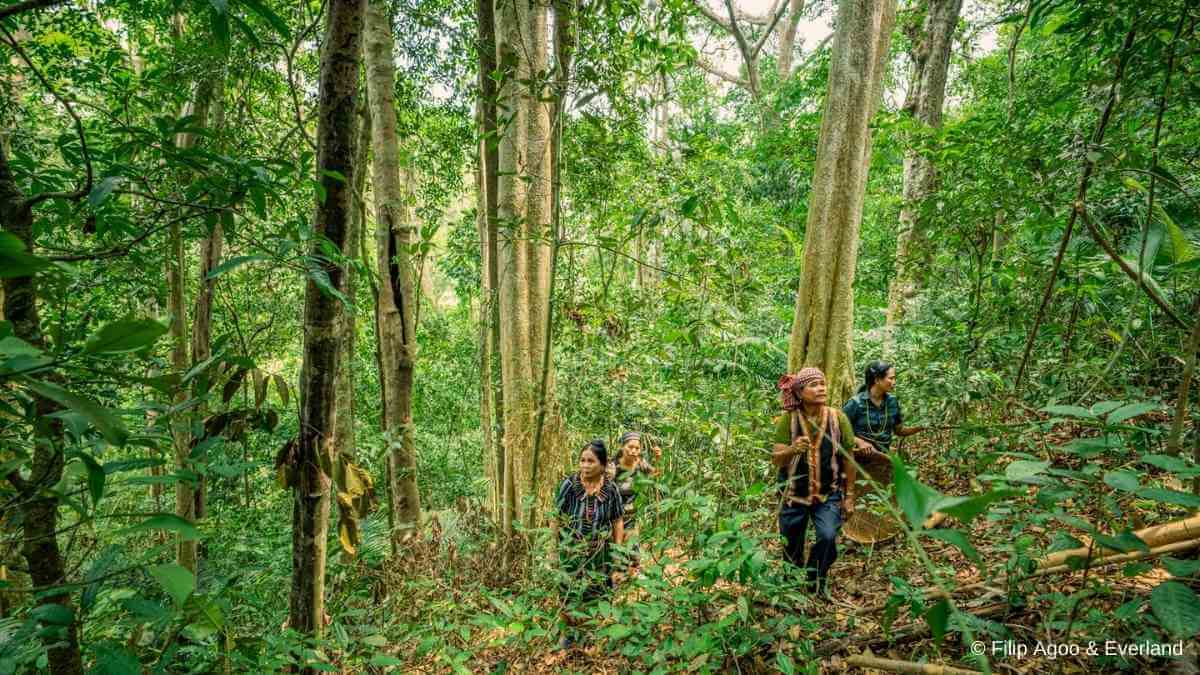
This project conserves a tropical forest sanctuary that holds significant cultural and economic value to the Indigenous Bunong people. The project cuts emissions from deforestation by protecting this area from unsustainable farming and logging and addressing social issues like hunger and poverty that drive communities to extractive practices. Along with safeguarding tree species that cannot be found elsewhere, the sanctuary impedes wildlife trafficking and provides a refuge for endangered species like the yellow-cheeked gibbon.
34.1% of portfolio

Energy

Dominican Republic
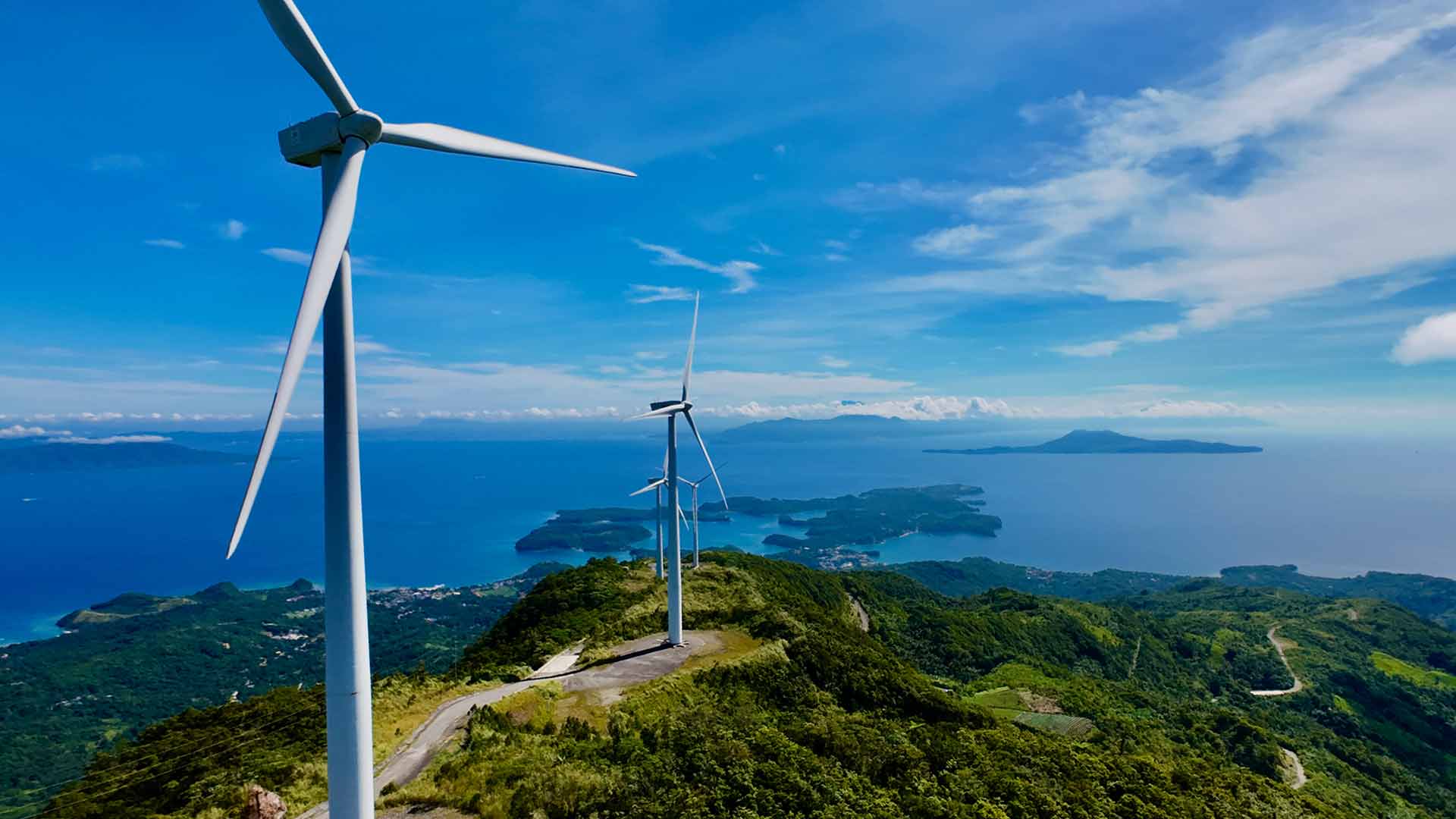
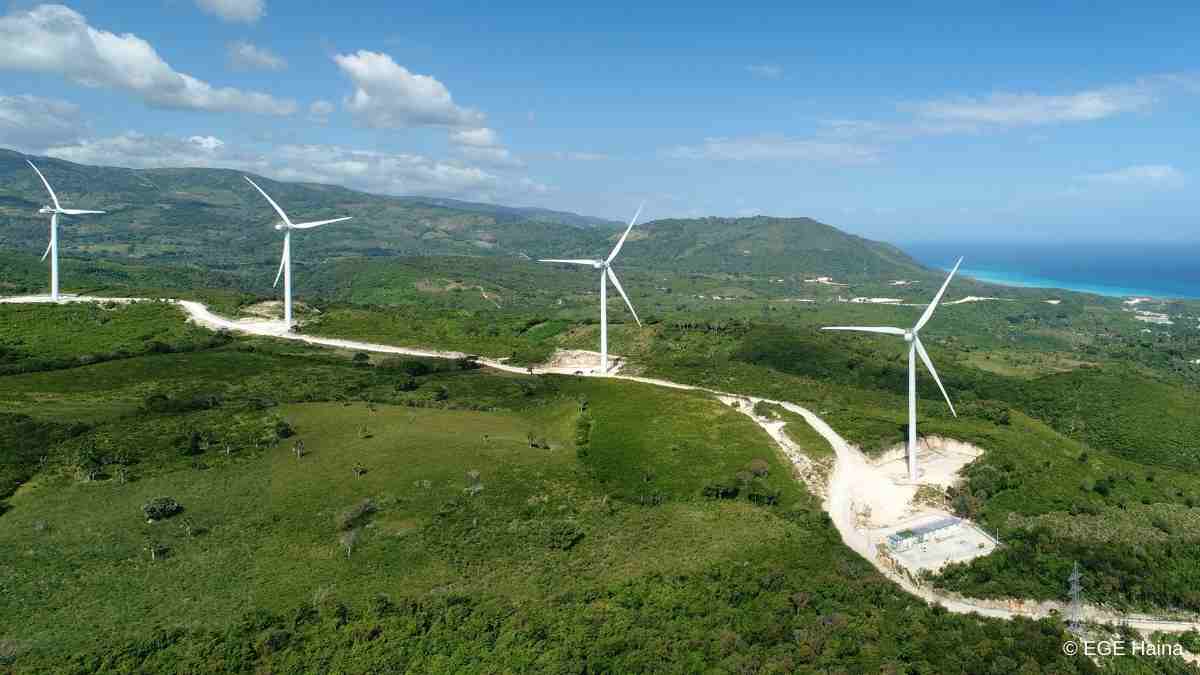
The Dominican Republic’s booming tourism industry consumes a hefty amount of energy, with fossil fuels accounting for most of the supply. Set in a less developed part of the country, the Larimar Wind Farm utilizes the breezes that blow in from the sea to generate clean, grid electricity. By creating local employment and improving education, job skills, health, and safety, the project fights the inequalities that all too often affect rural communities. The Larimar Wind Farm reduces the over reliance of imported fossil fuels and provides clean energy to homes in the Dominican Republic.
3.4% of portfolio
Forests
Tanzania
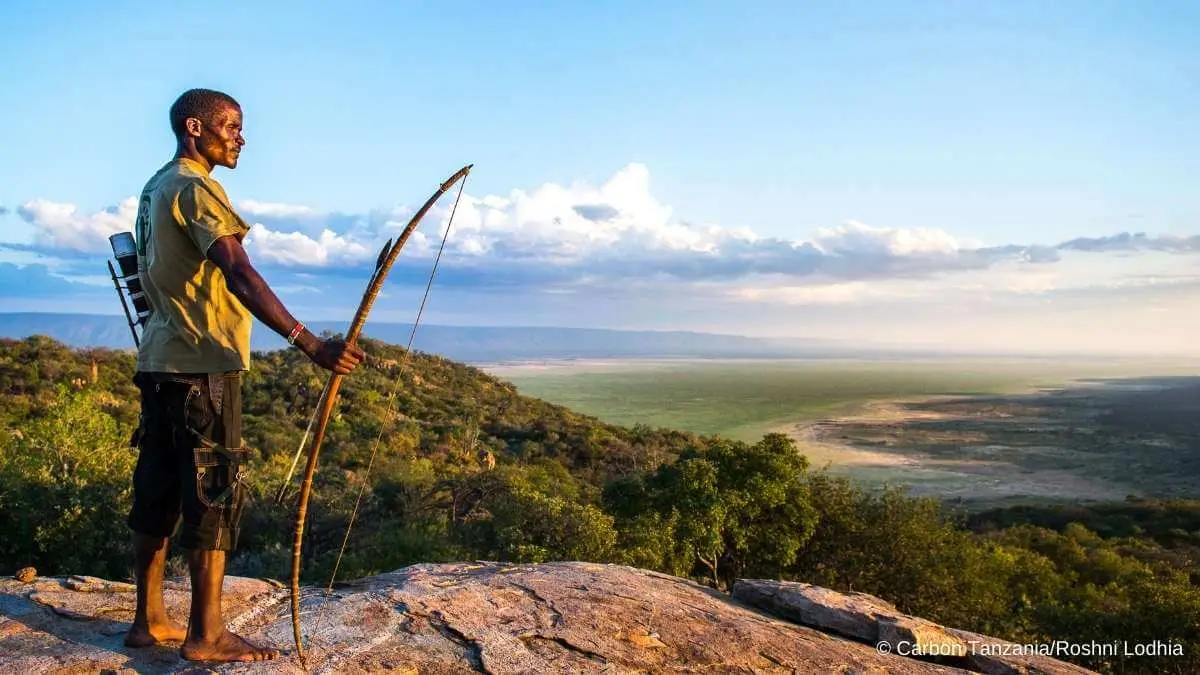
This project helps Tanzania’s indigenous communities safeguard their natural resources and prevent their land from being converted into cropland by encroachers. With a focus on preserving their forested homeland and traditional lifestyles, the project provides the communities with a new income stream and funds social initiatives that improve access to education and healthcare.
Latest Updates
In 2023, the project generated over US$570,000 for remote communities through carbon credit revenue, directly improving healthcare access for 21,294 people and supporting the education of 1,604 children. These funds enabled the construction of medical facilities and school renovations, while also allowing the Hadza community to buy back ancestral lands. This reclaimed territory now serves as a vital buffer zone against deforestation, securing both cultural heritage and critical wildlife habitats for the long term.
To ensure transparency and accurately measure these human impacts, the project utilizes the Social Return on Investment (SROI) methodology. A 2023 assessment of the Yaeda Valley revealed a Net Present Value of $8,628,015 in social outcomes, representing a remarkable $25 of social value generated for every $1 invested. This measurable success is further validated by a new deforestation map, which visualizes the persistent environmental threats in the surrounding area and confirms the project’s essential role in preventing further ecological loss.
20.5% of portfolio

Blue/Teal Carbon

Indonesia
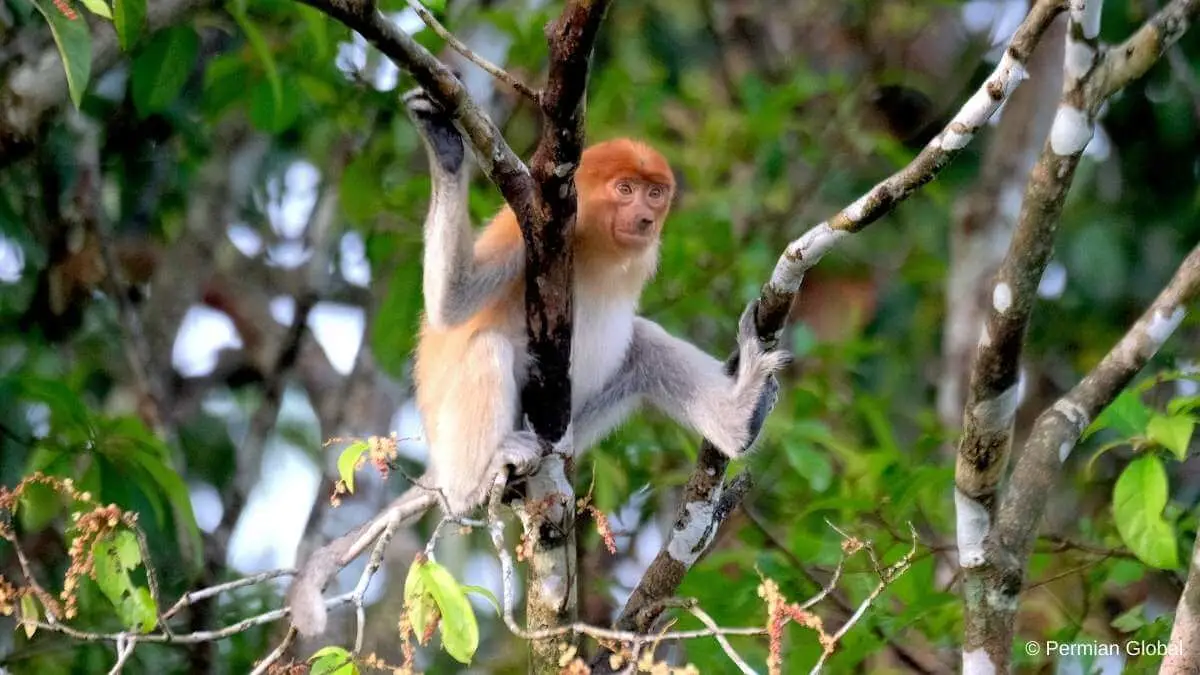
This project is protecting and restoring one of the largest remaining peat swamp forests in Indonesia. Massive stores of carbon are locked away beneath the swamp’s surface, while the aboveground forest is home to over 5% of all remaining Bornean orangutans. The project also enhances the quality of life of rural communities by creating livelihood opportunities, formalizing land rights, and improving public services.
Latest Updates
To protect the vulnerable peat swamps of Katingan Mentaya, the project has implemented the OroraTech system, which uses Earth observation technology and climate prediction models to detect fire risks in real-time. This technical investment is paired with extensive community engagement, including training over 800 farmers in fire-free agriculture and employing 1,380 local firefighters. Data from 2011–2021 highlights the success of these measures, showing significantly fewer fire hotspots within the project boundaries compared to the surrounding region, even during severe El Niño seasons.
Beyond fire prevention, the project fosters sustainable economic alternatives and infrastructure to reduce reliance on illegal logging. In Desa Satiruk, former loggers have successfully transitioned into poultry farming through livestock training and initial equipment support. Meanwhile, in the off-grid village of Tampelas, the installation of rooftop solar panels has replaced limited generator use with a reliable, renewable energy source, enhancing the quality of life for families living deep within the forest.
Offset Carbon to Support Our Climate Impact Portfolio
When you offset carbon with us, you’ll support our Climate Impact Portfolio. Though particular projects vary from one quarter to the next, our portfolio always includes a mix of forestry, energy, blue/teal carbon, and carbon removal projects.