


This project addresses the growing influx of sargassum seaweed that threatens reefs, nesting sea turtles, and tourism along Mexico’s Riviera Maya coast, south of Cancún. Using low-impact collection, sargassum is removed from resort shorelines, improving marine health, restoring beach allure, and preventing toxic emissions as it decomposes. The collected seaweed is upcycled into biochar, compost, and shoreline protection materials, creating local jobs and supporting women-led farms that supply sustainably grown ingredients for hotel menus. This approach transforms waste into an economic and environmental solution.
Where & Why
The Riviera Maya: A Reef-Fringed Coastline Dependent on Tourism
Stretching along Mexico’s Caribbean coast south of Cancún, the Riviera Maya is one of the world’s most iconic travel destinations. Home to well-known towns like Playa del Carmen and Tulum, the region draws millions of visitors from around the globe for its turquoise waters, sandy beaches, and world-class scuba diving and snorkeling.
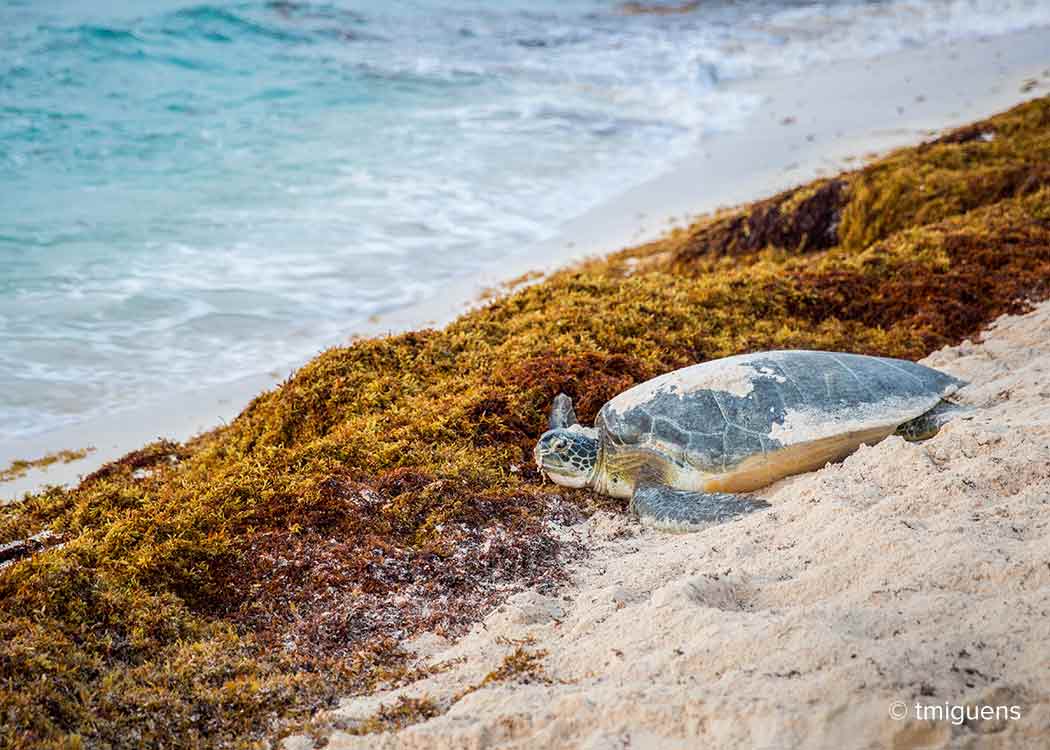
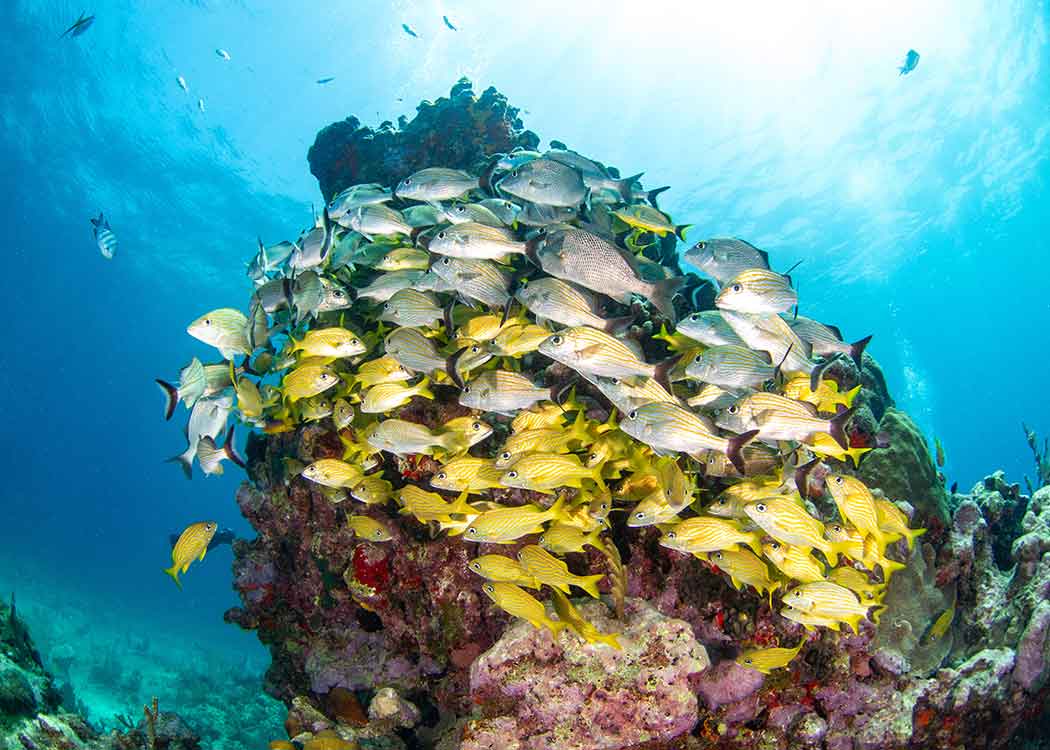
The coastline is fringed by the Mesoamerican Reef, the second-largest reef system in the world. The reef’s coral structures shelter hundreds of fish species and form the backbone of the region’s marine biodiversity. The beaches also serve as critical nesting grounds for endangered sea turtles, including green, loggerhead, hawksbill, and leatherback turtles, which return to lay their eggs year after year.
Beneath the surface, the Riviera Maya is shaped by extensive networks of underground caves and waterways, created as rainwater filters through the porous limestone terrain. This subterranean system includes thousands of cenotes—natural freshwater sinkholes revered by the ancient Maya and now crystal-clear pools where visitors can swim and dive.
Tourism is the backbone of the regional economy, accounting for roughly 90% of local GDP. But this dependence also creates vulnerability, particularly given seasonal employment and intensifying environmental pressures.
What’s Happening: The Sargassum Surge
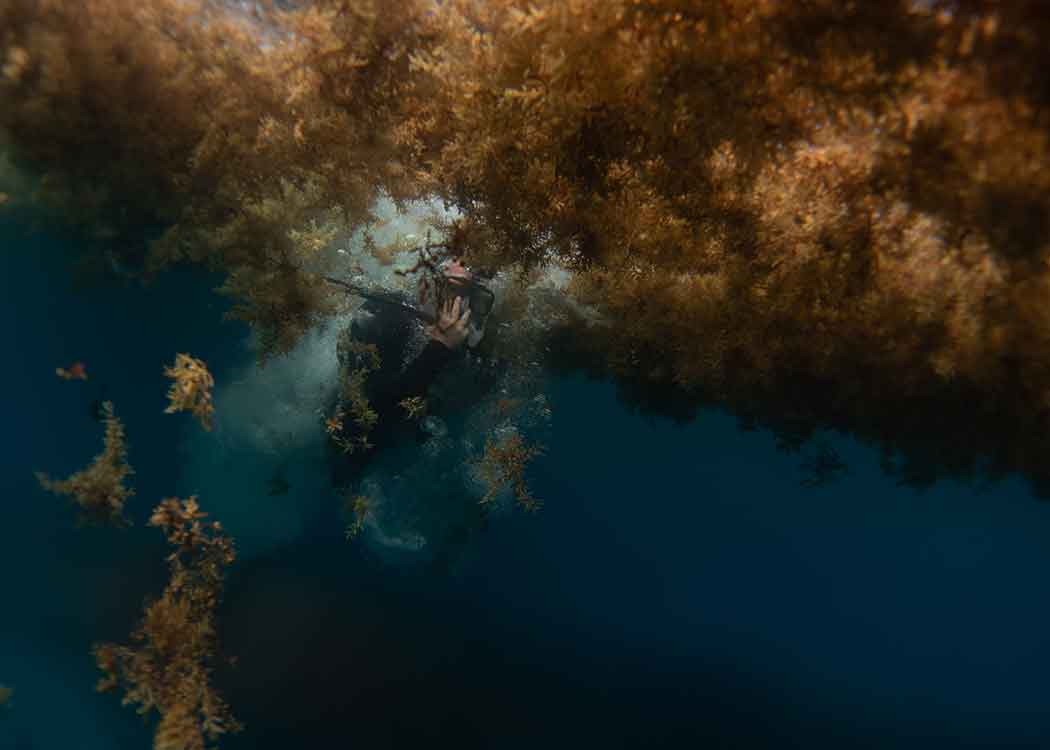
One of the most visible and disruptive of these environmental pressures is sargassum, a type of brown algae that drifts freely rather than attaching to the seafloor. In the open ocean, sargassum seaweed plays a natural ecological role. Over the past decade, however, sargassum volumes have surged by roughly 600%, with massive blooms turning it into a persistent and escalating challenge.
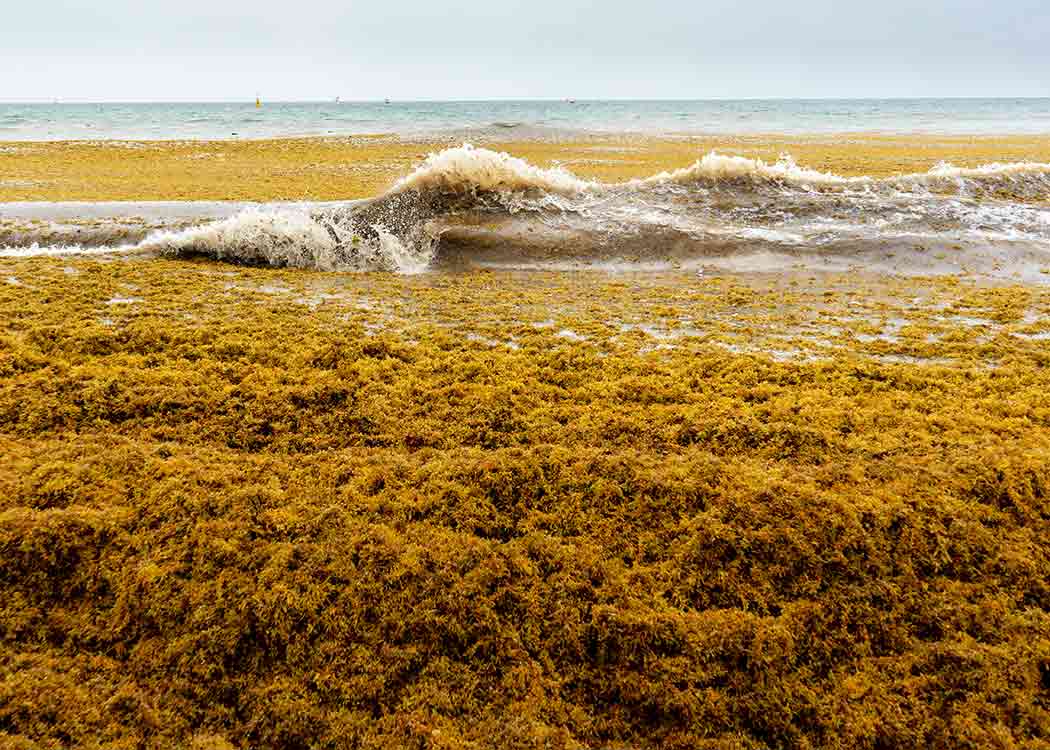
Significantly increasing since 2011, these blooms form the Great Atlantic Sargassum Belt, a large band of floating sargassum that stretches thousands of miles from West Africa to the Gulf of Mexico. Ocean currents now carry large volumes of this algae into the Caribbean, where it inundates shorelines and accumulates in unprecedented amounts. In Quintana Roo alone, roughly 120,000 tons of sargassum have been removed from beaches this year. Warmer seas, shifting currents, and increased nutrient runoff are all believed to be contributing to this surge.
Strain on Reefs, Wildlife, and Coastal Ecosystems
When sargassum washes ashore in large volumes, marine and coastal ecosystems suffer. As the seaweed decomposes, it releases nutrients that degrade water quality, creating low-oxygen “dead zones” where many marine species cannot survive. Sargassum can introduce heavy metals, microplastics, and invasive species into coastal waters, which may also seep into the groundwater network, threatening wildlife and contaminating food webs.
Thick mats of sargassum can also smother coral reefs and seagrass beds by blocking the sunlight these ecosystems need. On beaches, dense accumulations form physical obstacles that slow sea turtle hatchlings as they make their way to the ocean, increasing the risk of predation and reducing survival rates. Sargassum buildup on nesting beaches can also change sand temperatures, which may affect the sex of developing hatchlings.
What It Means for Tourism and Coastal Communities
As sargassum piles up on shorelines, it affects tourism and diminishes the appeal of beach destinations across the Riviera Maya, including Cancún, Playa del Carmen, and Tulum. The rotting seaweed attracts flies and releases hydrogen sulfide—a toxic gas with a strong rotten-egg odor that poses health risks to local communities and visitors. Decaying seaweed can also accelerate beach erosion and clog nearshore waters, making swimming far less inviting. As a result, travelers increasingly seek out ways to avoid sargassum and often think twice before visiting during what has become known as “sargassum season.”
During severe sargassum events, affected beach areas along the Riviera Maya have experienced an estimated 18% drop in economic activity as the influx of seaweed deters visitors. This downturn can have a lasting “reputation effect” that hurts local people, hotels, and other businesses for up to a year after the seaweed is cleared.
The economic consequences ripple outward. Fisheries suffer as nets become tangled, fish move away from low-oxygen waters, and nearshore zones become unusable, undermining food security and livelihoods.
A Growing but Overlooked Climate Cost
Beyond its impacts on marine and coastal zones, sargassum also presents a worsening climate challenge. As it decomposes, sargassum releases methane—a greenhouse gas roughly 80 times more potent than carbon dioxide over a 20-year period. A single metric ton of wet sargassum can emit methane equivalent to more than 300 kilograms of CO₂, roughly the same as driving a gasoline-powered car for about 760 miles. Across the Caribbean, where millions of tons wash ashore annually, these emissions add up to a serious and often overlooked climate impact.
Cleanup Challenges
Many resorts collect the sargassum, but cleanup is costly and comes with its own environmental complications. During peak bloom seasons, these efforts place a heavy burden on hotels, municipalities, and other beachfront businesses. Across the Caribbean, the cost of sargassum cleanup has been estimated at more than $120 million annually.
Traditionally, much of the collected sargassum has been hauled to landfills, where it continues to decompose, release methane, and contaminate groundwater through heavy-metal leaching and microplastic release. Inland disposal shifts the problem rather than solving it.
Cleanup methods themselves can also cause harm. Conventional sargassum removal often relies on loud, heavy machinery, disrupting the tranquil atmosphere of a beach getaway and causing environmental damage. These machines compact sand and remove healthy sediment, degrading beach ecosystems and accelerating erosion. In the process, sensitive nesting areas and sea turtle nests can be destroyed.
How & Who
Keeping Coasts Clean with Low-Impact Collection
This project uses a low-impact approach to clean up and repurpose sargassum, turning an environmental challenge into a solution that benefits the climate, coastlines, local communities, and tourism.
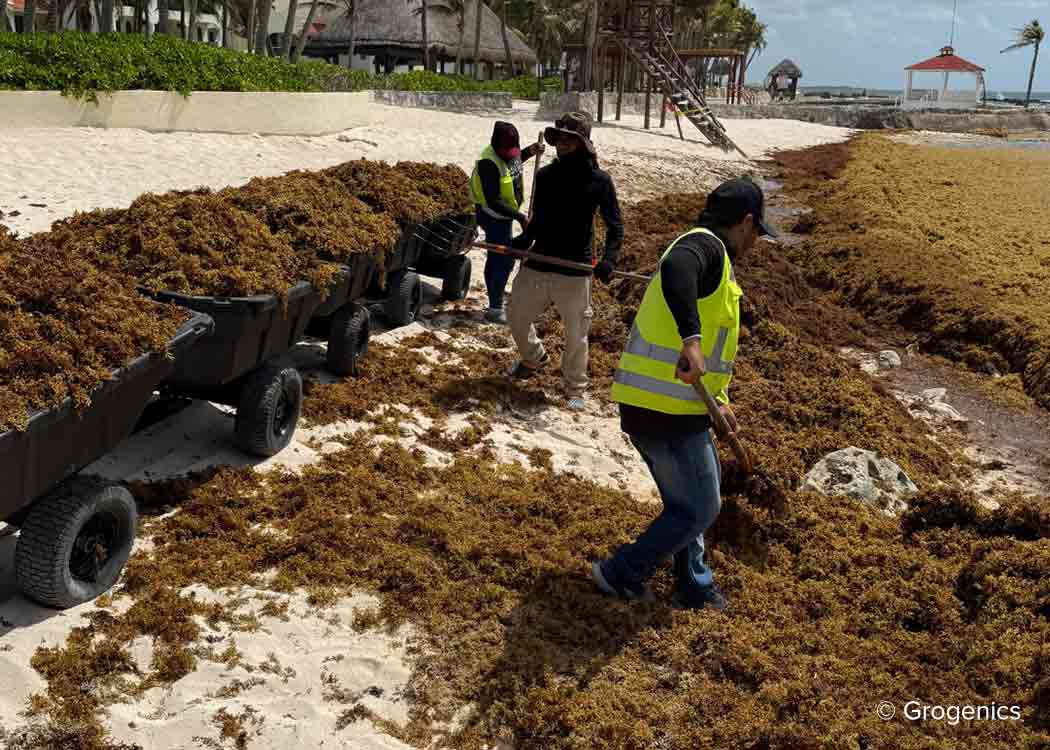
Sargassum is promptly collected from nearshore waters and beaches in resort areas of Playa del Carmen, before it becomes a nuisance. Early interception at the shoreline helps prevent damage to reefs, seagrass beds, and nesting beaches, supports coastal livelihoods, and also prevents methane emissions as it decomposes.
Instead of using loud, heavy machinery, the project uses noise-free electric UTVs and carts to collect sargassum along the beach. This low-impact approach avoids tearing up the sand, protects nesting areas for sea turtles and coastal birds, and reduces the risk of additional erosion. Because the equipment is unobtrusive, it preserves the beach’s calm feel while keeping shorelines accessible for guests.
By maintaining cleaner beaches and waters, the project helps protect the picturesque coastlines and biodiverse marine environments that attract visitors to the region. The cleanup also reduces local operational burdens and costs, and strengthens the resilience of tourism livelihoods as sargassum influxes become more frequent.
Cleaner waters also allow artisanal fishing zones to reopen and contribute to the recovery of fish stocks, supporting local fisheries and coastal livelihoods.
From Waste to Valuable Resource
Once collected, sargassum is treated not as waste, but as a resource. Plastics are removed at the start of the process, and sargassum with a high sand content is repurposed into sandbags used for shoreline protection.
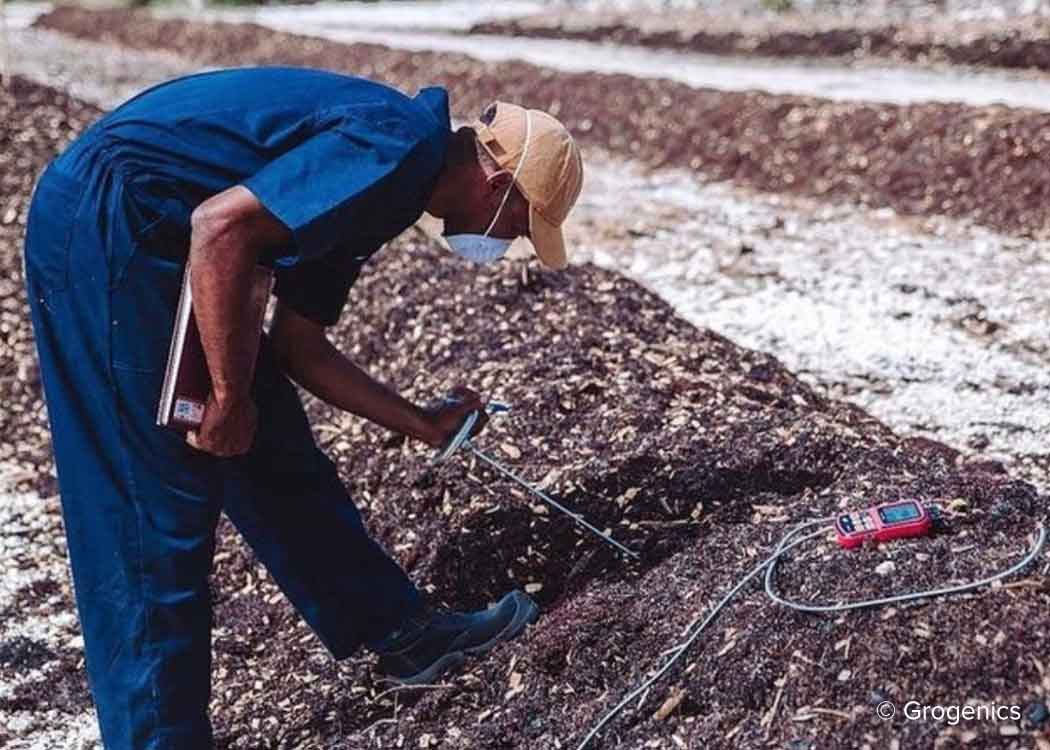
The remaining sargassum is combined with other local organic waste and transformed into useful products, including biochar and nutrient-rich compost. A patent-pending microbial treatment detoxifies the sargassum, neutralizing salt, arsenic, and other heavy metals. This innovative method ensures that the resulting biochar-enriched compost is safe for agricultural use.
By collecting and treating sargassum before it decomposes on beaches or in landfills, the project also avoids methane emissions that would contribute to climate change. Biochar stores carbon in a stable form that can remain in soils for centuries, while compost supports long-term soil carbon storage. The project can convert up to 1,440 m³ of sargassum and green waste per week into biochar-enriched compost, avoiding landfill disposal and scaling as infrastructure expands.
Supporting Women-Led Regenerative Agriculture and a Circular Economy
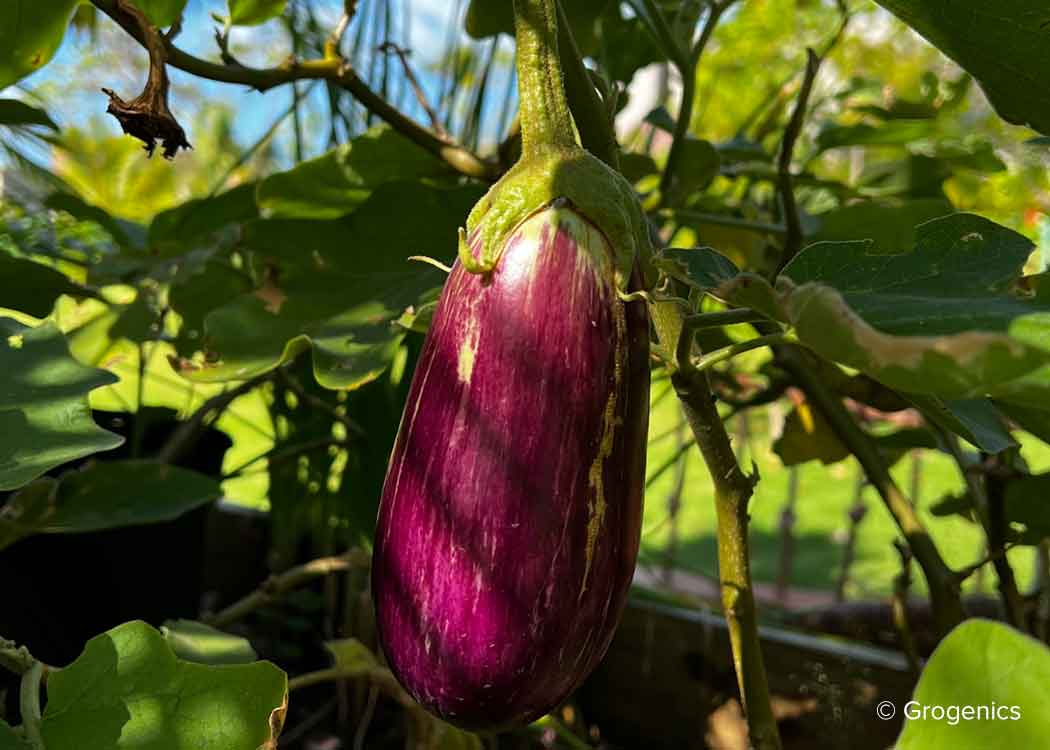
The compost and biochar produced by the project support a growing regenerative farming movement in the region. More than 150 women-led farms are expected to benefit from access to these nutrient-rich soil amendments at a low cost. When applied to farmlands, the compost and biochar improve soil health and increase water retention, reducing reliance on chemical fertilizers and irrigation.
The project also supports a garden-to-table program, working with the women-led farms to supply resorts with sustainably grown produce. This creates a circular economy that connects tourism, agriculture, and sargassum recovery, turning what would otherwise be waste into a source of income and opportunity for local women. In addition, the project partners with a local agricultural cooperative to promote sustainable farming practices and engage community members and schools in environmental education.
The project also builds local capacity by providing training on sargassum harvesting and compost and biochar application. It is expected to create more than 20 stable, year-round jobs related to sargassum harvesting, processing, and transportation, with hiring focused on inclusive opportunities for women and underrepresented groups.
Ten percent of carbon credit revenues are reinvested into local NGOs and women-led associations, extending the project’s community impact beyond economic security and direct employment.
Independent Recognition of an Innovative Solution
In addition to its Gold Standard certification, the project has received recognition from several global initiatives focused on climate and ocean solutions. It holds the Solar Impulse Efficient Solution Label, which validates that the approach delivers environmental benefits while remaining financially viable.
The project was also named a Top Innovation Winner of the World Economic Forum–supported UpLink Coastal Tourism Challenge, highlighting its relevance for scalable solutions in coastal tourism.
Environmental Benefits
- Mitigates climate change by reducing methane emissions from waste decomposition and storing carbon in biochar and soil
- Encourages regenerative agriculture and enhances soil quality
- Protects coastal ecosystems, coral reefs, and marine biodiversity
- Raises environmental and sustainability awareness

Community Benefits
- Creates economic benefits and opportunities for women-led farmers
- Supports stable, local jobs and provides capacity building
- Improves the resilience of the local tourism industry and coastal livelihoods
- Supports healthier fish stocks and food security
- Enhances the appeal of beach and marine destinations
- Reduces health risks and water contamination
Project Type

Innovative Climate Tech
Location
Mexico
Annual CO2 Reduction
9,597 metric tons CO2e (expected annual average for crediting period)
SDGs Supported
Verification Standard
Project Developers
Grogenics SARL
Project Documents
Related Travel Experiences
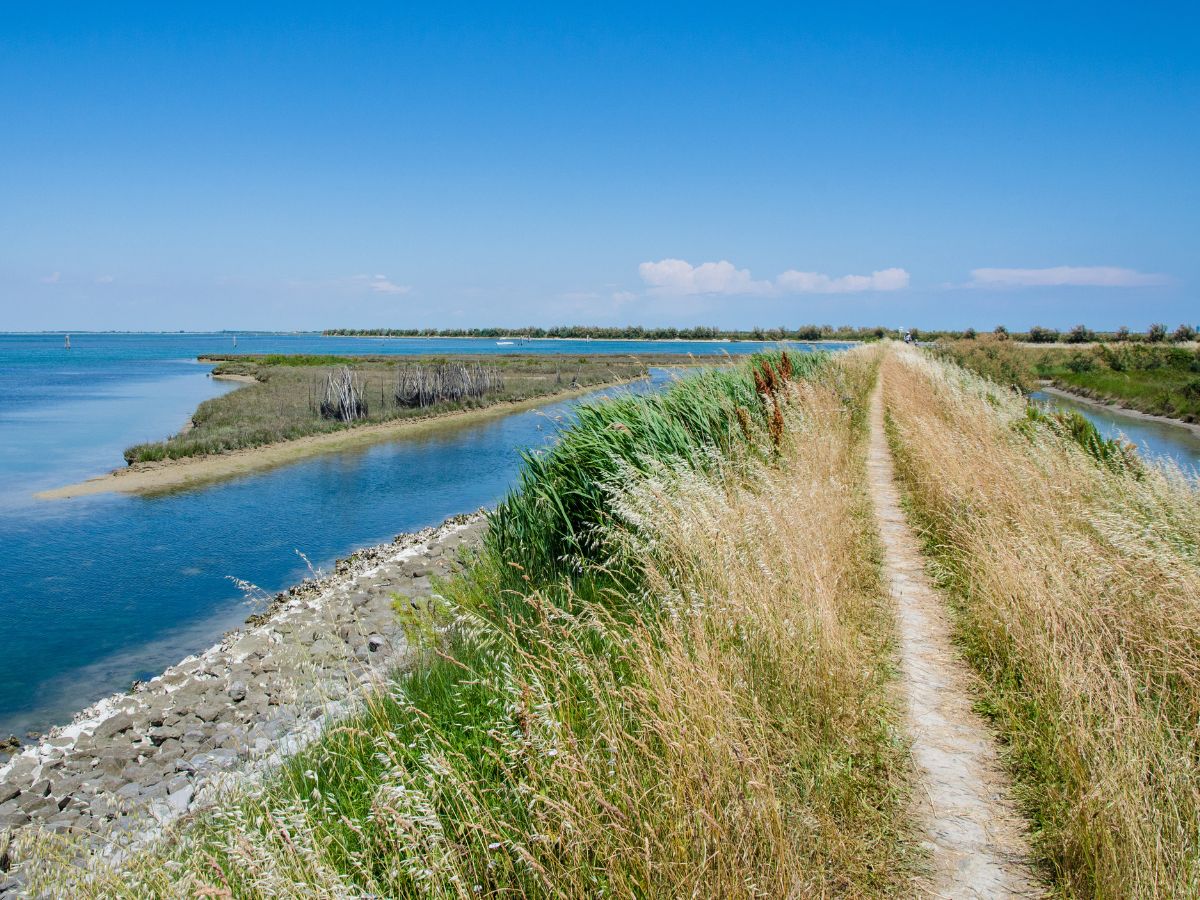
These immersive experiences offer a firsthand opportunity to learn about the lagoon ecosystem that the project is protecting and see the real-world results on the ground.
A Day in the Valley
Valle Paleazza offers immersive experiences that blend nature, culture, and the authentic flavors of the Venetian Lagoon. Guided educational trails showcase the valley’s plants and wildlife, highlighting its ecosystems and the traditions connected to this landscape. Other experiences include barbecues featuring fresh fish from the valley, seasonal tastings of regional specialties and wines, and aperitifs enjoyed among the scenic salt marshes. Together, these activities provide opportunities to explore the lagoon beyond the typical tourist trail, fostering deeper connections with its wildlife and heritage while savoring its distinctive cuisine.
News & Stories
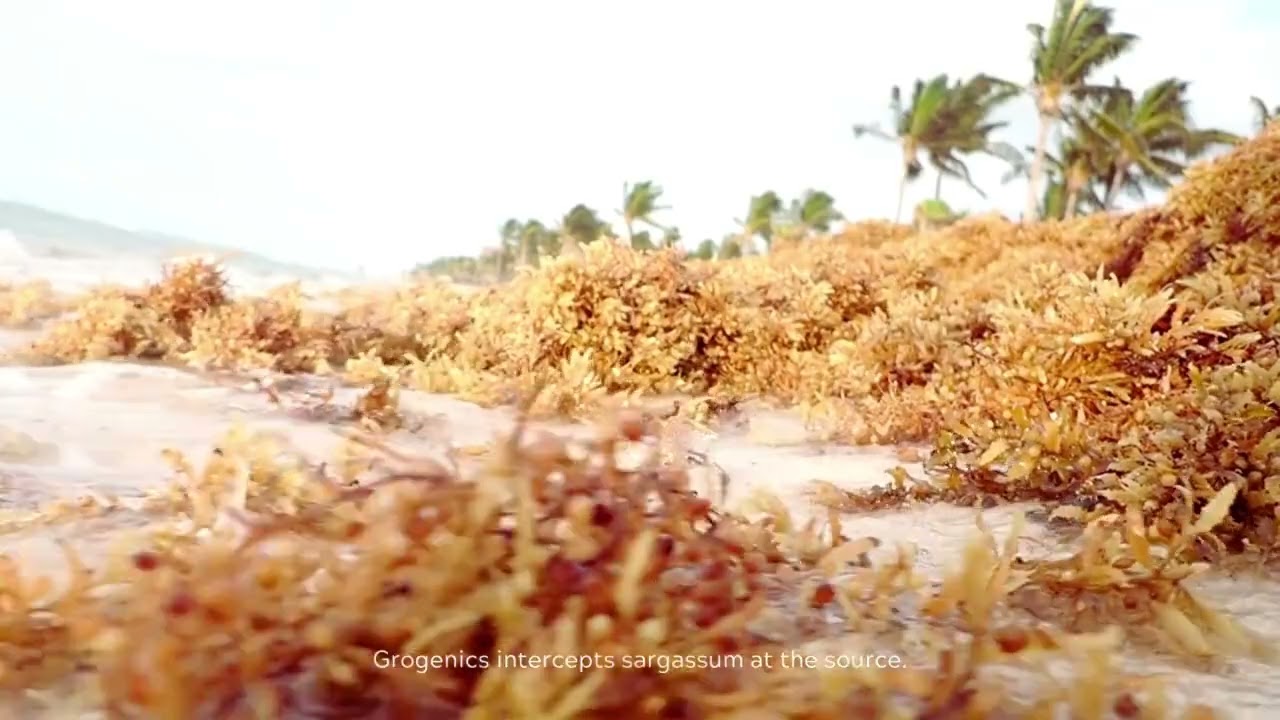
View the latest blogs and videos about the Sargassum Recovery for Clean Coasts project.
Protect Oceans Through Sustainable Marine Tourism
Explore more ways that tourism can reduce marine impacts while supporting healthy reefs, coasts, and the communities that depend on them.

Offset Your Travel Footprint
Calculate and offset the carbon footprint of your travel. Support projects that safeguard ecosystems, invest in cleaner energy, and advance climate action around the world.
