 Written By:
  Edited By:
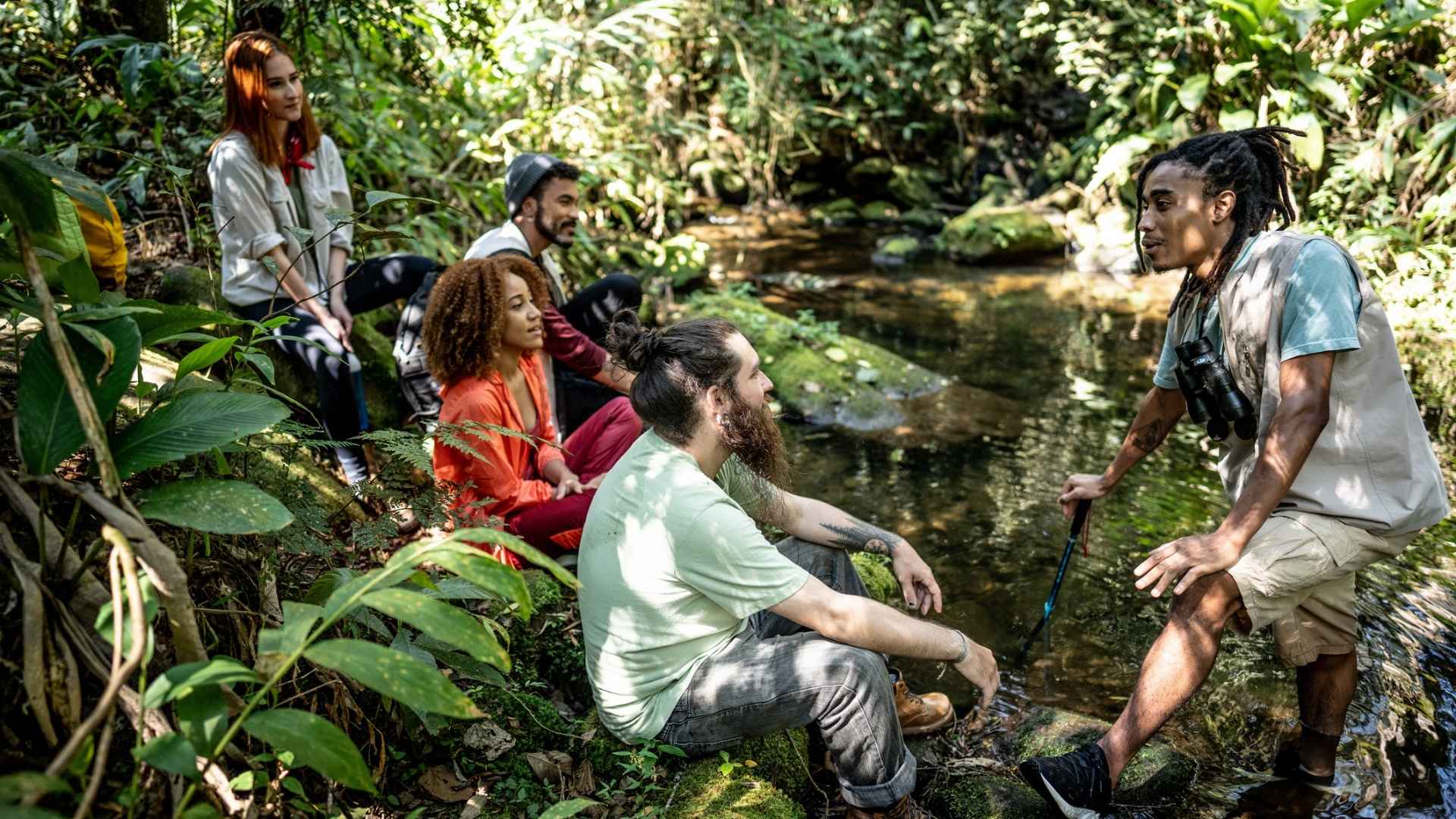
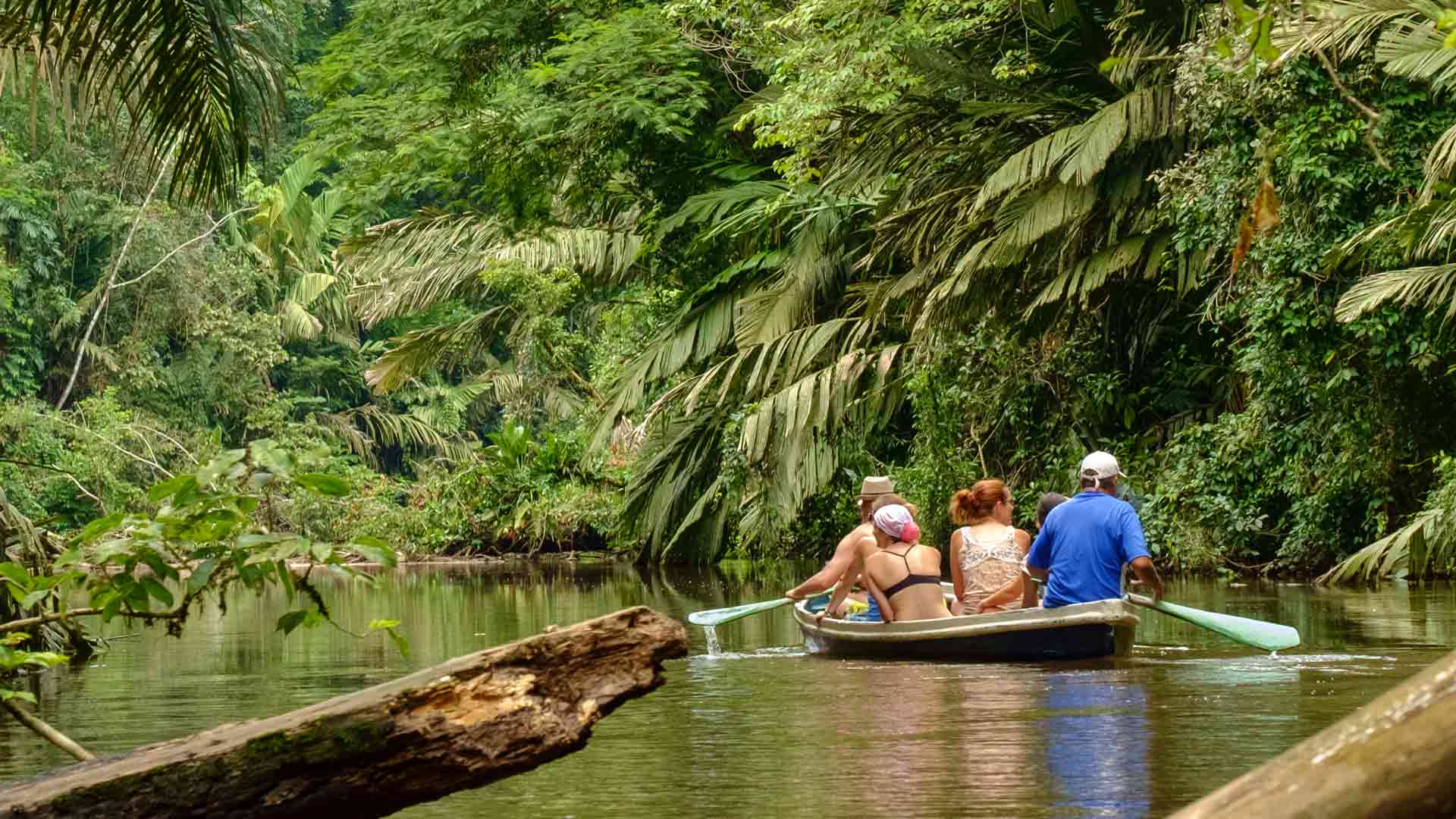
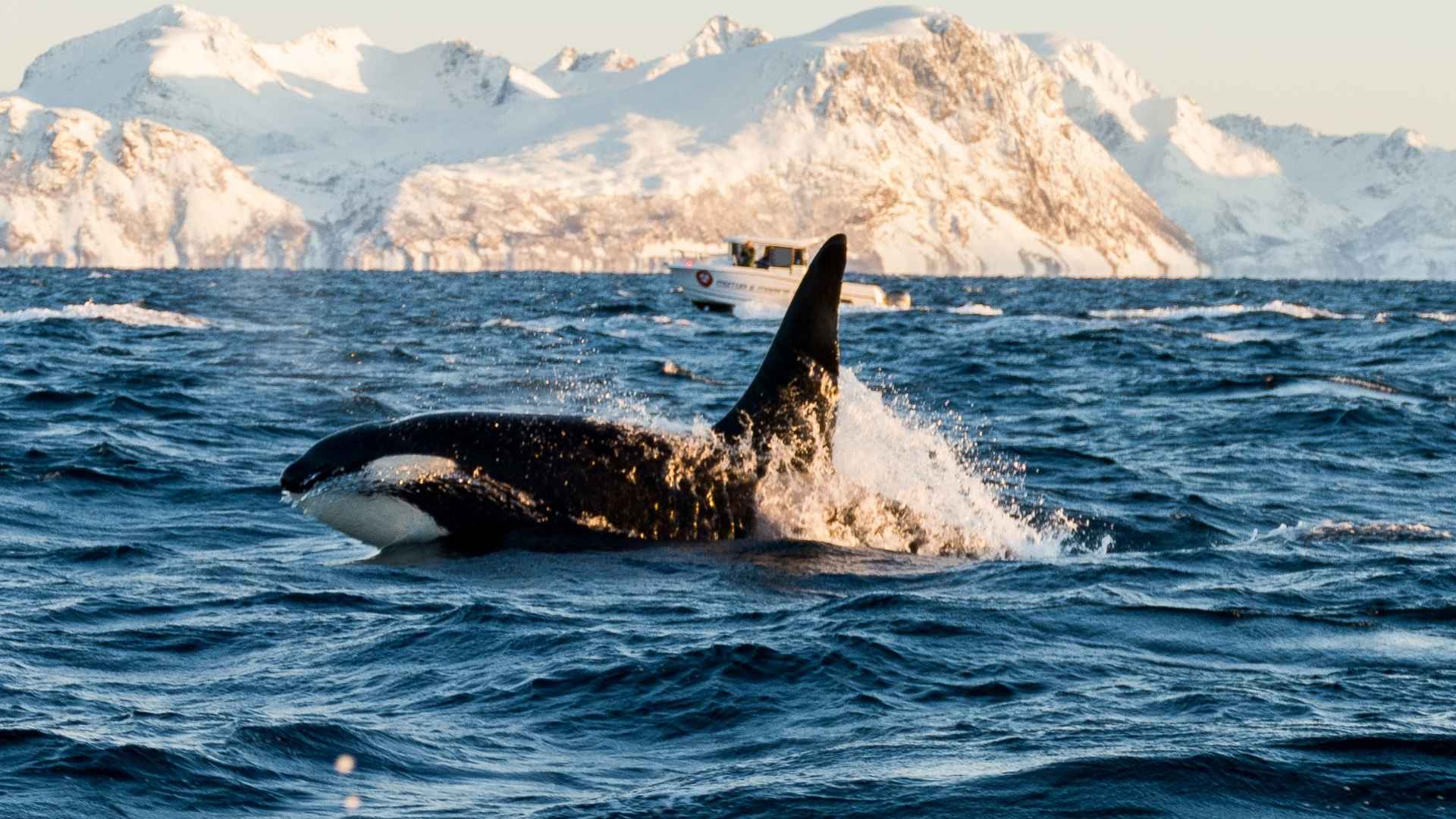
 When people picture ecotourism, they often imagine walking through rainforests dense with vegetation, diving into the deep blue to observe marine wildlife, or hiking mountain trails where each change in elevation reveals a new landscape. These activities may look “eco,” but their impact hinges on how they are planned and managed.
Not every outdoor or nature-based activity automatically qualifies as ecotourism. Overtourism and the growing strain on fragile habitats have made this clear. As outlined in our blog defining ecotourism, an experience must contribute to conservation, provide financial benefits to local communities, minimize environmental impact, respect cultures, and deepen traveler understanding of the natural world to be considered true ecotourism.
This blog breaks down the main types of ecotourism, which include wildlife viewing, hiking and recreation, marine tourism, cultural experiences, and citizen science. Each section explains what responsible practice looks like for different ecotourism activities and how these experiences support conservation, local communities, and visitors alike. You’ll also learn how to identify experiences that are often marketed as “eco-friendly” but fall short of ecotourism principles, helping you avoid greenwashing.
Wildlife Viewing
Responsible wildlife viewing offers the chance to observe animals behaving naturally and moving freely within thriving ecosystems. This may involve guided forest walks to spot birds and primates, watching elephants roam across open plains, or observing whales from a distance.
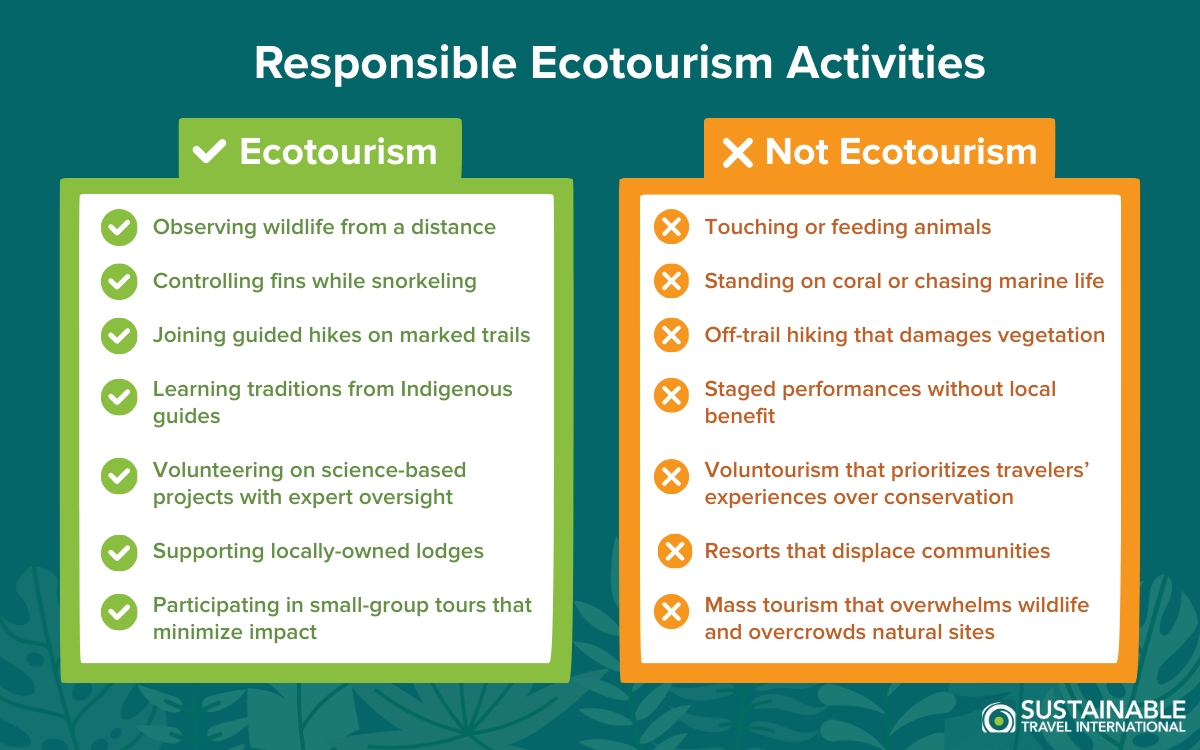
For wildlife viewing to align with ecotourism principles, travelers must follow practices that protect animals and minimize disturbance to their habitats. This means prioritizing animal welfare by avoiding restrictive enclosures, staged encounters, or exploitative experiences. Group sizes should remain small, respectful distances must be maintained, and interactions that cause stress—such as feeding, touching, or altering animal behavior—should never occur.
Local guides play an important role in ensuring wildlife viewing activities remain safe for both animals and visitors. Their understanding of animal behavior helps prevent disturbance and identify signs of stress or danger. Their familiarity with species’ calls, tracks, and movement patterns allows them to spot wildlife that travelers might miss and share context on how animals use their landscapes.
Responsible wildlife viewing should be done through operators that fund habitat and wildlife conservation. Community-led tours and locally trained guides strengthen long-term stewardship while supporting the livelihoods of the people who protect wildlife.
In northern Kenya’s open plains, Loisaba Conservancy protects 56,000 acres (23,000 hectares) of wildlife habitat. As dawn breaks over acacia trees, travelers may see lions, endangered wild dogs, and giraffes moving through the grasslands. The conservancy also serves as a movement corridor for elephants and includes a newly established sanctuary supporting the return of rhinos after decades of absence.
Loisaba enforces strict viewing guidelines. These include limiting sightings to three vehicles, maintaining a minimum distance of 20 meters from animals, staying on designated tracks, and keeping noise levels low. Trained local Samburu and Maasai guides offer insights into wildlife behavior, such as elephant herd dynamics and the threats facing endangered species.
Ecotourism funds half of the conservancy’s operating budget, supporting conservation efforts such as anti-poaching patrols and habitat restoration. Tourism revenue also supports community initiatives, including school uniforms, healthcare outreach, and sustainable grazing programs.
Hiking and Recreation
Hiking and recreation ecotourism activities might include trekking through rainforests, cycling along coastlines, snowshoeing through alpine valleys, or following raised boardwalks through mangrove wetlands. These activities slow the pace of travel, making it easier to notice details like wildflowers or bird songs that are often missed.
To be considered ecotourism, recreational activities must follow the Leave No Trace principles to reduce impacts on the surrounding ecosystem. Staying on designated trails helps prevent erosion and protect sensitive vegetation, and all waste should be carried out and disposed of properly. Visitors should also be mindful of nearby communities by parking legally and respecting private property.
Choosing local guides adds depth to the experience, for example, through knowledge of edible plants and stories of the people who historically traveled the route. Guides also help visitors navigate the terrain safely. In turn, tourism revenue from guided experiences supports nearby communities.
Set among the soaring peaks of Nepal’s central Himalayas, the Annapurna Conservation Area Project (ACAP), is the country’s largest conservation area and its most popular trekking destination. High visitor numbers have historically placed pressure on forest resources and increased waste generation, prompting the founding of ACAP as a community-based model to manage tourism more sustainably.

Visitors can stay in thousands of family-run teahouses, lodges, and campsites, which contribute to the local economy. ACAP provides training in management and cooking to support communities in operating these facilities.
Trekking fees fund a wide range of environmental initiatives. These include protecting endangered snow leopards from poaching, as well as sustainable forest management programs. The project also develops and maintains eco-friendly trekking infrastructure—such as trails, trash bins, and drinking water stations—to manage visitor movement and reduce litter. Environmental education is provided for visitors, guides, and residents to support stewardship of the area.
Marine Tourism
The ocean captivates travelers with ecosystems that feel both mysterious and striking. Coral reefs function as bustling underwater cities, rays glide through clear waters, and steep drop-offs hint at how much of the ocean remains unseen. Ecotourism activities like snorkeling, diving, kayaking, paddleboarding, and small-group boat tours allow travelers to experience these marine and coastal wonders firsthand.
Marine ecotourism offers a way to experience these places responsibly. In practice, this means avoiding contact with corals and wildlife and minimizing harmful substances in the water, such as toxic sunscreens. Trained guides help visitors move carefully through the water, reduce sediment disturbance, and prevent close or prolonged interactions with wildlife. Boat operators should follow additional practices such as slowing and cutting engines when wildlife is nearby and keeping anchors off seagrass and coral.
Off Mexico’s Baja Peninsula, Dive Ninja Expeditions offers small-group scuba dives and snorkel trips that protect nature and support the local economy. These experiences follow Green Fins’ environmental standards including including no-touch and no-feeding policies and the elimination of single-use plastics. As one of the first PADI Eco Centers, Dive Ninja is independently verified for its sustainability performance.
Local livelihoods also benefit. Rather than relying on extractive activities such as shark fishing, guides and captains earn income through ecotourism. Through citizen-science expeditions, Dive Ninja supports shark research, marine debris removal, and wildlife monitoring, donating 20–50% of profits from these trips to conservation partners.
Cultural Ecotourism
Cultural ecotourism offers insight into how local traditions, landscapes, and ways of life are intertwined. Experiences may include learning from Indigenous or long-established communities, exploring traditional agriculture, visiting sacred sites, or joining activities that reflect how people interact with their environment. When done responsibly, these encounters foster cultural understanding while supporting the communities who steward these landscapes.
Cultural ecotourism activities are community-led, follow local etiquette, and operate with permission in culturally significant places. Communities should benefit directly from tourism, with income flowing to local families or cooperatives. These principles help prevent cultural misrepresentation or exploitation, ensuring heritage is shared on the community’s own terms.
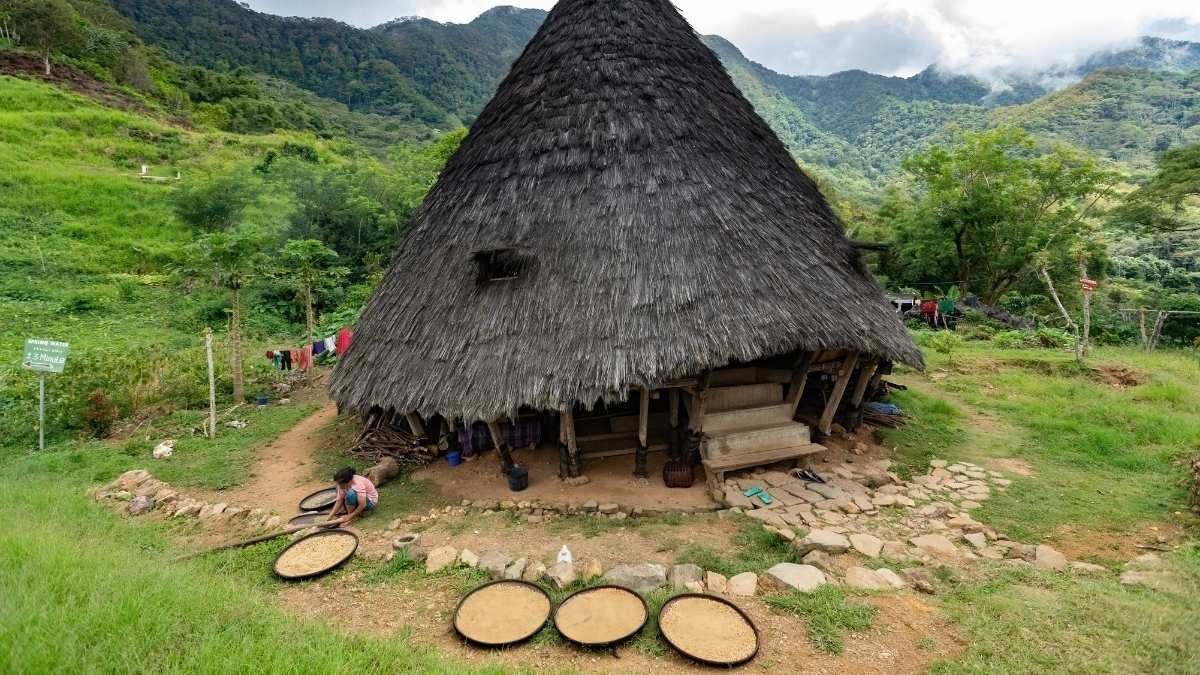
Perched high in the remote mountains of Indonesia, Wae Rebo is an ancient Manggarai village known for its cone-shaped, thatched houses and living Indigenous culture. The village is reached only by trekking through the forest, which helps limit visitation.
Visitors stay in community-managed guesthouses and share meals with residents. They learn how coffee is harvested using traditional methods, join ceremonies, and explore the surrounding area with local guides. Visitors can purchase locally grown vanilla and handwoven textiles, while tourism revenue helps maintain the mbaru niang houses.
Citizen Science and Voluntourism
Citizen science and voluntourism are forms of ecotourism that engage travelers in hands-on conservation activities such as wildlife monitoring, coral restoration, or trail maintenance. These experiences give participants a clearer understanding of environmental challenges while supporting scientific research and on-the-ground efforts. When well-designed, they create a mutually beneficial exchange: travelers learn from local experts, and conservation programs gain extra capacity.
Not all volunteer experiences meet the bar. Credible ecotourism programs are locally led, grounded in science, and supervised by trained professionals. They avoid unethical interactions with wildlife and do not displace local jobs or assign technical tasks to unskilled participants.
Earthwatch connects volunteers with scientists to support wildlife monitoring and environmental research. It runs expeditions in more than 30 countries, spanning savanna ecosystems, polar regions, tropical rainforests, and coastal environments. This approach provides consistent funding and more than 100,000 hours of volunteer support each year, allowing studies to continue over multiple years.
Data collected through Earthwatch’s programs has informed wildlife protection policies, peer-reviewed research, and community-run conservation. In South Africa, Earthwatch volunteers monitored breeding success, chick growth, and foraging behavior of critically endangered penguins over two decades. This data supported legal protections and commercial fishing restrictions around penguin colonies.
Scientific rigor and local involvement underpin these expeditions. Ninety-six percent of Earthwatch projects employ, train, or engage community members. Each project is led by qualified researchers, professionally supervised in the field, and conducted in accordance with ethical standards.
What’s Not Ecotourism
As interest in sustainable travel grows, many tours, hotels, and attractions market themselves as eco or green while failing to meet the core principles of ecotourism. While some activities appear environmentally friendly on the surface, closer scrutiny often reveals harm to wildlife, ecosystems, or residents.
Common red flags include:
- Exploitative wildlife encounters. Feeding whale sharks to lure them towards snorkelers, crowding dolphins with boats, chasing turtles for photos, or riding elephants that have been forcibly trained prioritizes tourist entertainment over animal welfare.
- High-impact adventure tourism. Activities such as jet skiing, helicopter tours, and off-road vehicles generate noise, pollution, and erosion that damage habitats and disturb wildlife.
- Cultural experiences rooted in commodification. When performances are created only for tourists, or tourism occurs without community consent or shared benefits, cultural exchange becomes extractive rather than empowering and authentic.
- Unethical voluntourism. Projects that replace local jobs, lack scientific oversight, or rely on unqualified volunteers may do more harm than good.
Always stay alert to greenwashing and choose operators that demonstrate clear, transparent practices aligned with ecotourism standards.
Plan Your Ecotourism Adventure
Choosing responsible experiences doesn’t have to be complicated. Start with our eco-friendly travel tips, which focus on actions you can take and considerations to keep in mind when planning your trip.
For tourism businesses, membership with Sustainable Travel International provides tools, training, and resources to strengthen sustainability performance across your tours, accommodation operations, or destination management efforts.
Wherever you’re headed next, planning with ecotourism in mind ensures your trip has a positive impact on both people and the planet.