
 Written By:
 Our fourth Climate Impact Portfolio of 2025, released on December 17, 2025, supports seven carbon offset projects around the world. Read on to learn more about the impact these projects are creating for the climate, communities, and biodiversity.
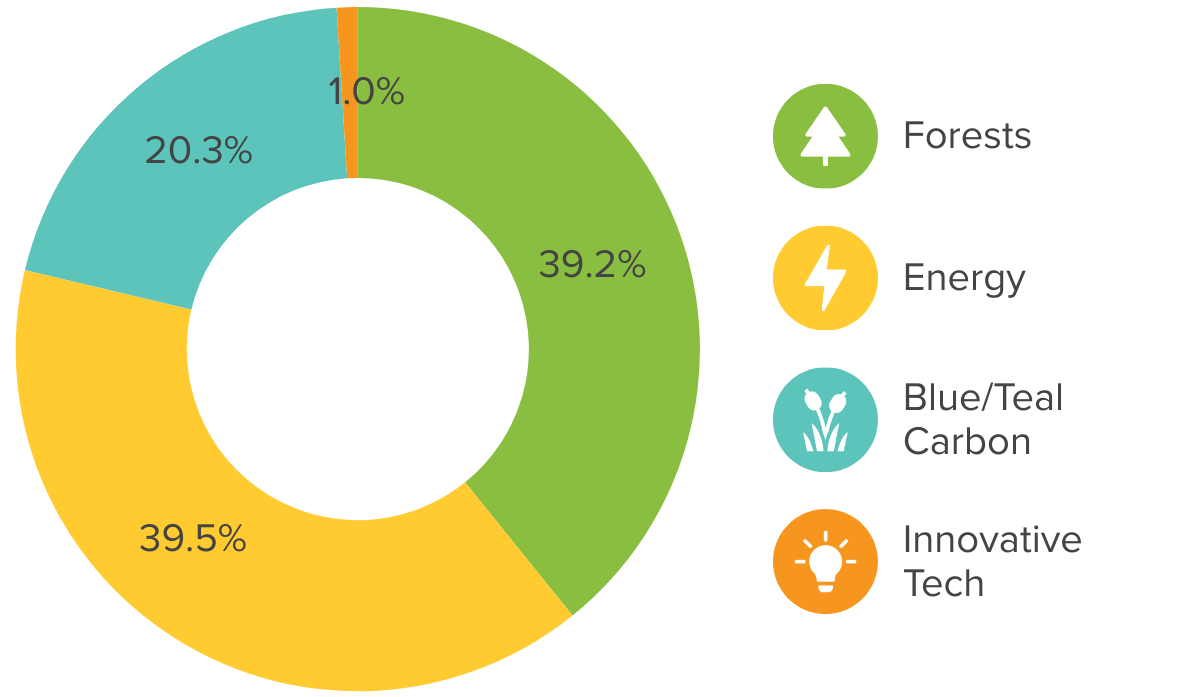
Carbon offsets purchased from Portfolio 4 of 2025 are distributed across the forestry, energy, innovative climate technology, and blue/teal carbon projects listed below.
Carbon Dioxide Equivalent (CO2e) by Project Type
Impact in Numbers
Altogether, these projects are accelerating the net zero transition by:

Preventing the loss of 1,060,000 acres of carbon-rich forests

Generating 296 GWh of clean energy yearly and replacing 20,000 inefficient cookstoves
Diverting up to 1,440 m³ of sargassum and green waste from landfills per week

Protecting and restoring 91,317 acres of blue and teal carbon ecosystems
Explore the Projects
Portfolio 4 of 2025 is composed of seven climate projects: Sargassum Recovery for Clean Coasts, Valle Paleazza, Keo Seima, Garo Clean Cookstoves, Khalladi Wind Farm, Yaeda-Eyasi Landscape, and Rimba Raya Biodiversity Reserve.
Read on to learn more about each of these projects and how they are catalyzing climate action around the world.
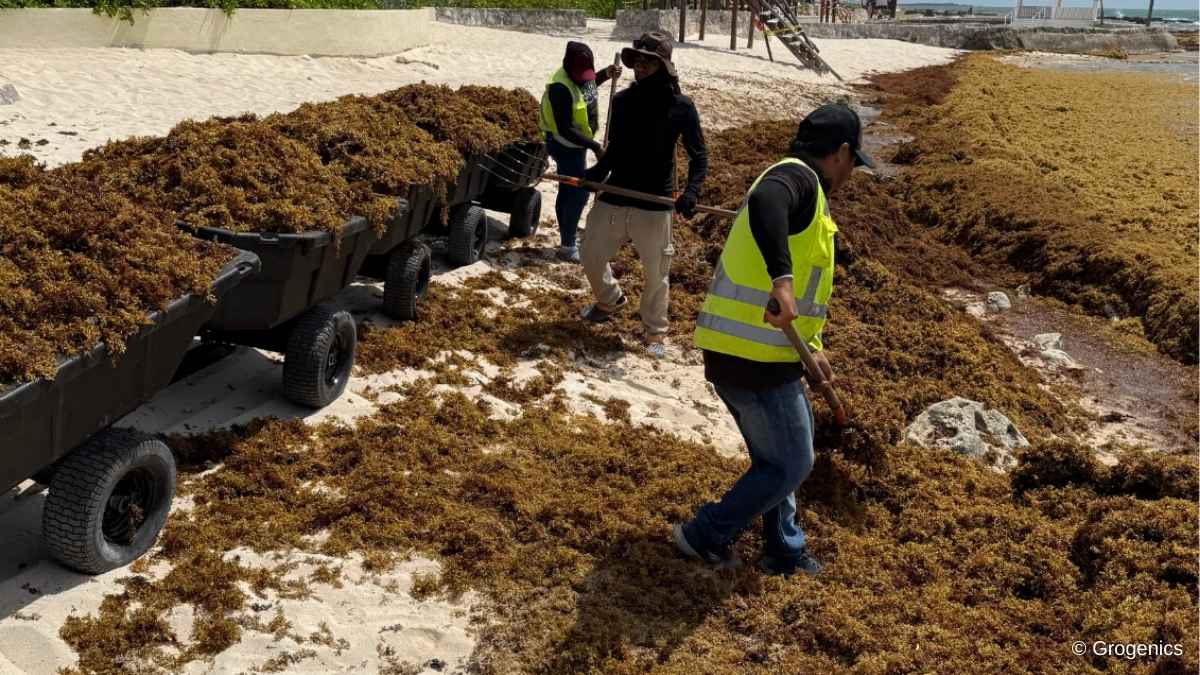
1.0% of portfolio

Innovative Tech

Mexico
This project addresses the growing influx of sargassum seaweed that threatens reefs, nesting sea turtles, and tourism along Mexico’s Riviera Maya coast. Using low-impact collection, sargassum is removed from resort shorelines, improving marine health, restoring beach allure, and preventing toxic emissions as it decomposes. The collected seaweed is up-cycled into biochar, compost, and shoreline protection materials, creating local jobs and supporting women-led farms that supply sustainably grown ingredients for hotel menus. This approach transforms waste into an economic and environmental solution.
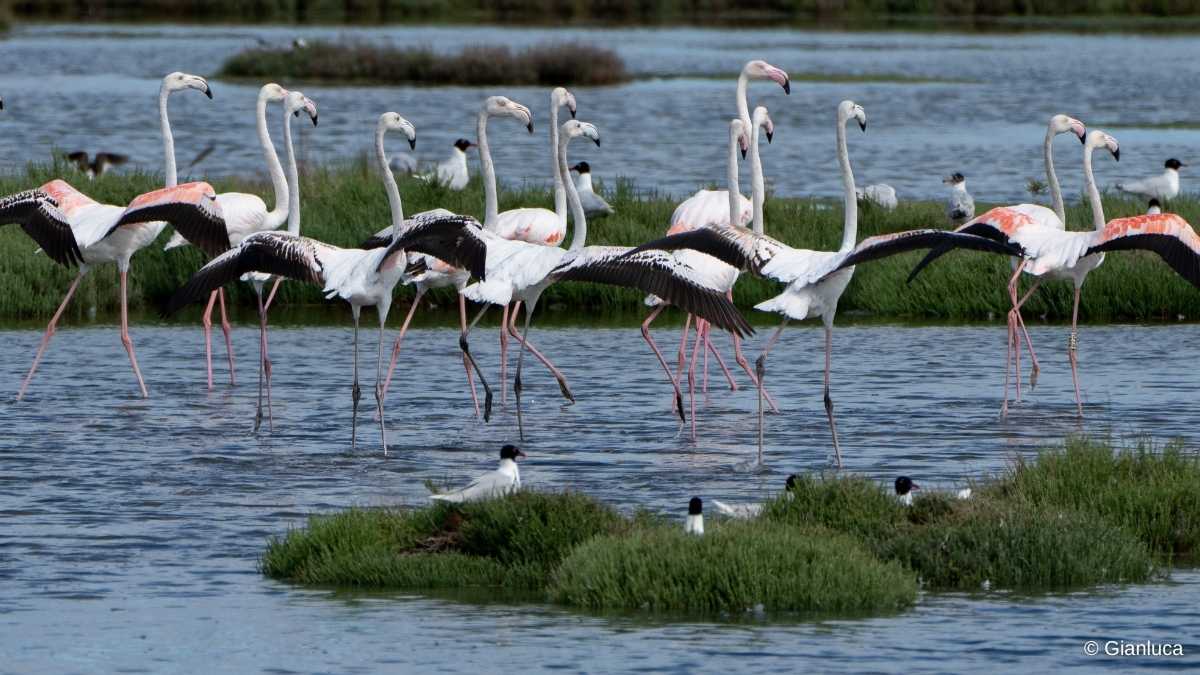
5.6% of portfolio

Blue/Teal Carbon

Italy
This project restores centuries-old fishing valleys in the Venice Lagoon, revitalizing blue carbon habitats through traditional water management and ecological restoration. By combining local heritage with ecosystem recovery, the project removes carbon and supports fish nurseries and bird nesting grounds. This sustains small-scale fishing and aquaculture livelihoods and creates opportunities for nature-based tourism. The project also reduces erosion and flooding, increasing the resilience of low-lying communities in the face of climate change.
Sustainable Travel International CEO Paloma Zapata recently visited Valle Paleazza to witness the impact of the project’s restoration work firsthand. Guided by its custodian, Antonio Capadaglio, the team helped plant native vegetation along canal edges to regulate water temperatures and prevent erosion. This update highlights the vital role of carbon finance in supporting local stewards; by providing the resources needed to protect these carbon-storing wetlands, the project ensures both the environmental resilience of the lagoon and the survival of the region’s traditional aquaculture heritage.
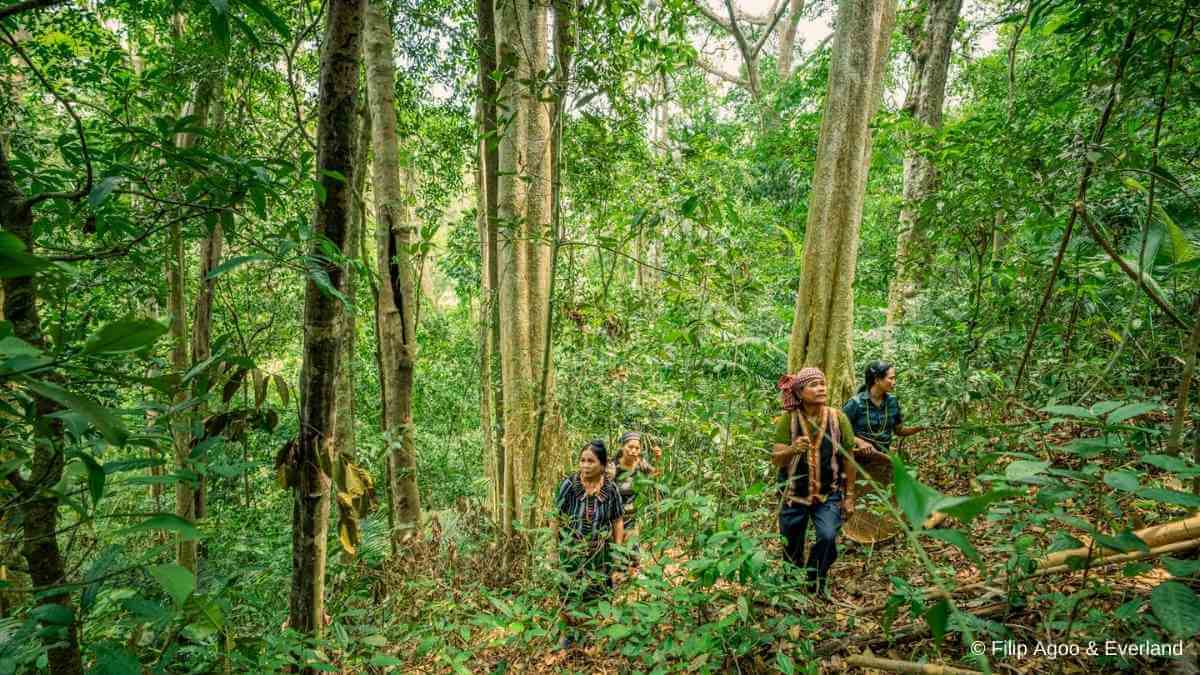
34.7% of portfolio

Forests

Cambodia
This project conserves a tropical forest sanctuary that holds significant cultural and economic value to the Indigenous Bunong people. The project cuts emissions from deforestation by protecting this area from unsustainable farming and logging and addressing social issues like hunger and poverty that drive communities to extractive practices. Along with safeguarding tree species that cannot be found elsewhere, the sanctuary impedes wildlife trafficking and provides a refuge for endangered species like the yellow-cheeked gibbon.
Recent updates from Keo Seima highlight the project’s holistic impact on both communities and conservation. Through the EmpowerED program, ten Indigenous community members were awarded university scholarships, while community consultations across 20 villages helped prioritize the next phase of the Cash for Communities (C4C) program. Supported by carbon revenue, C4C has already delivered nearly $2 million for essential infrastructure like schools and healthcare, with another $1 million committed for 2026.
On the conservation front, success is visible with the successful fledging of three critically endangered Giant Ibis chicks and the rescue of a rare stump-tailed macaque. These efforts are reinforced by community-led nest protection and specialized human rights training for park rangers. This rights-based approach to law enforcement ensures that efforts to safeguard Cambodia’s biodiversity simultaneously strengthen the trust between rangers and the Indigenous communities who steward these forests.
5.7% of portfolio

Energy

India
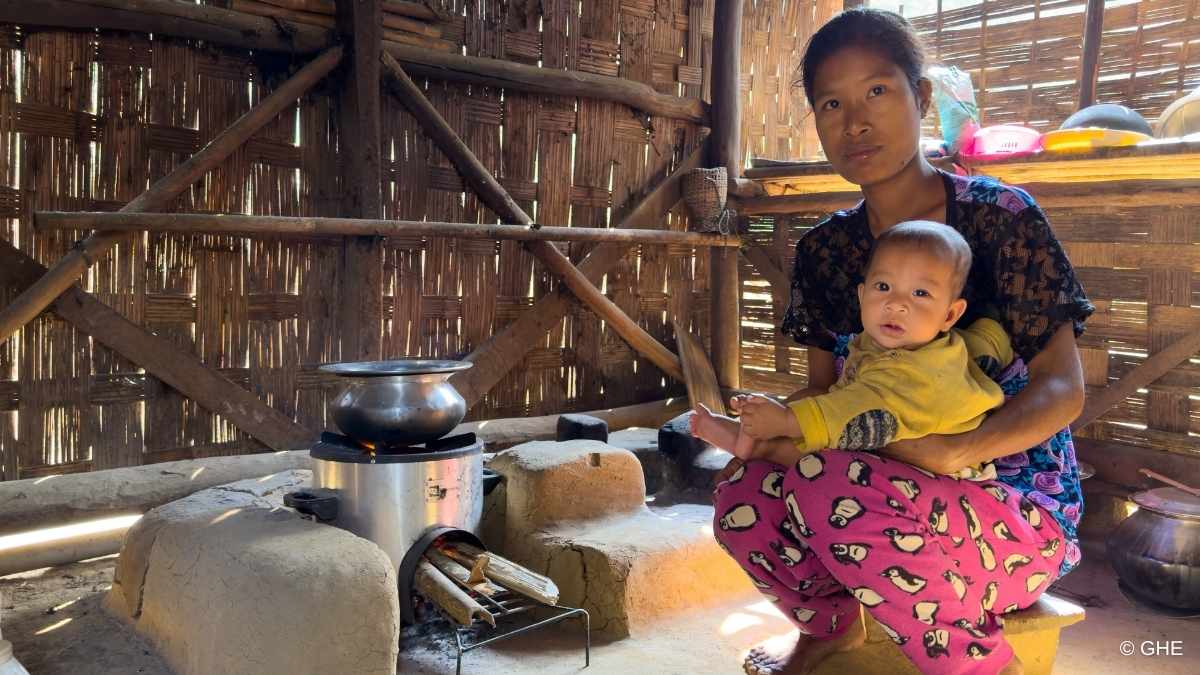
The Garo Hills of India, with its dense forests, abundant wildlife, and cultural heritage, offers tourism potential for the Indigenous communities that reside there. However, the widespread use of inefficient wood-fired cookstoves releases hazardous emissions, causing serious health risks, driving forest loss, deepening gender disparities, and perpetuating high poverty rates. This project addresses these challenges by introducing cleaner cookstoves that require less firewood, improve air quality, and shorten cooking times. It also empowers rural communities through diversified job opportunities, sustainable tourism development, and enhanced quality of life.
Recent project updates spotlight the intersection of gender empowerment and clean energy technology. A recent training program equipped 25 women with certified solar technician skills, providing hands-on experience in system assembly and career counseling to open doors in the renewable energy sector.
Simultaneously, carbon offset funding is driving the expansion of solar-powered electrical pressure cookers (EPCs). By transitioning households from firewood to clean solar cooking, this initiative significantly reduces respiratory health risks and the time-intensive labor of fuel collection. These combined efforts are advancing regional net-zero goals while creating sustainable economic opportunities for women as leaders in the green economy.
33.8% of portfolio
Energy
Morocco
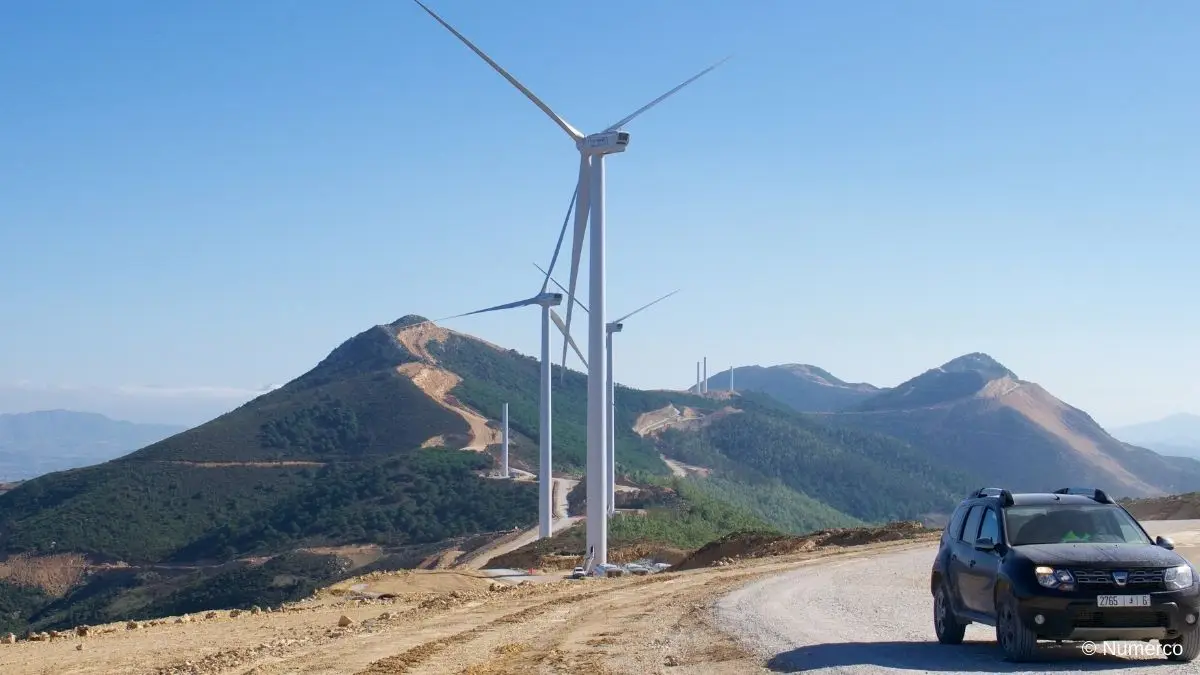
The Khalladi Wind Farm addresses energy and social challenges in Morocco’s northernmost region, home to historic coastal towns, the UNESCO medina of Tetouan, and the iconic Blue City of Chefchaouen. Historically reliant on imported fossil fuels, Morocco faces high emissions and energy insecurity. This project responds to these challenges by generating clean, renewable wind electricity. It also bridges the rural-urban divide through improved education access, healthcare, economic opportunities, and infrastructure, fostering both environmental and social progress.

4.5% of portfolio
Forests
Tanzania
This project helps Tanzania’s indigenous communities safeguard their natural resources and prevent their land from being converted into cropland by encroachers. With a focus on preserving their forested homeland and traditional lifestyles, the project provides the communities with a new income stream and funds social initiatives that improve access to education and healthcare.
Recent updates from the Yaeda-Eyasi project showcase the power of Indigenous-led conservation. Carbon revenue is being directly reinvested into the community through a new microfinance program and business training for women entrepreneurs, alongside the creation of the Hadza Media Center to document and preserve hunter-gatherer traditions.
The project’s success was recently highlighted at COP (the UN Climate Change Conference). Project Manager German Sedoyeka, a leader within the Datooga community, shared how placing land rights and Indigenous leadership at the core of carbon markets ensures durable impact. By combining economic empowerment with cultural preservation and international advocacy, the project continues to demonstrate that equitable, community-led participation is the most effective way to protect both landscapes and the people who steward them.

14.7% of portfolio
Blue/Teal Carbon
Indonesia
This project is conserving a peat swamp forest in Indonesian Borneo that was slated for conversion to palm oil plantations. Along with protecting this carbon rich ecosystem, the project supports the reintroduction of critically endangered orangutans into their wild habitat. By addressing issues such as poverty, hunger, and disease, the project is tackling the root causes of deforestation while improving local livelihoods.
Offset Carbon to Support Our Climate Impact Portfolio
When you offset carbon with us, you’ll support our Climate Impact Portfolio. Though particular projects vary from one quarter to the next, our portfolio always includes a mix of forestry, energy, blue/teal carbon, and innovative tech projects.