 Written By:
 Our third Climate Impact Portfolio of 2025, released on August 15, 2025, supports seven carbon offset projects around the world. Read on to learn more about the impact these projects are creating for the climate, communities, and biodiversity.
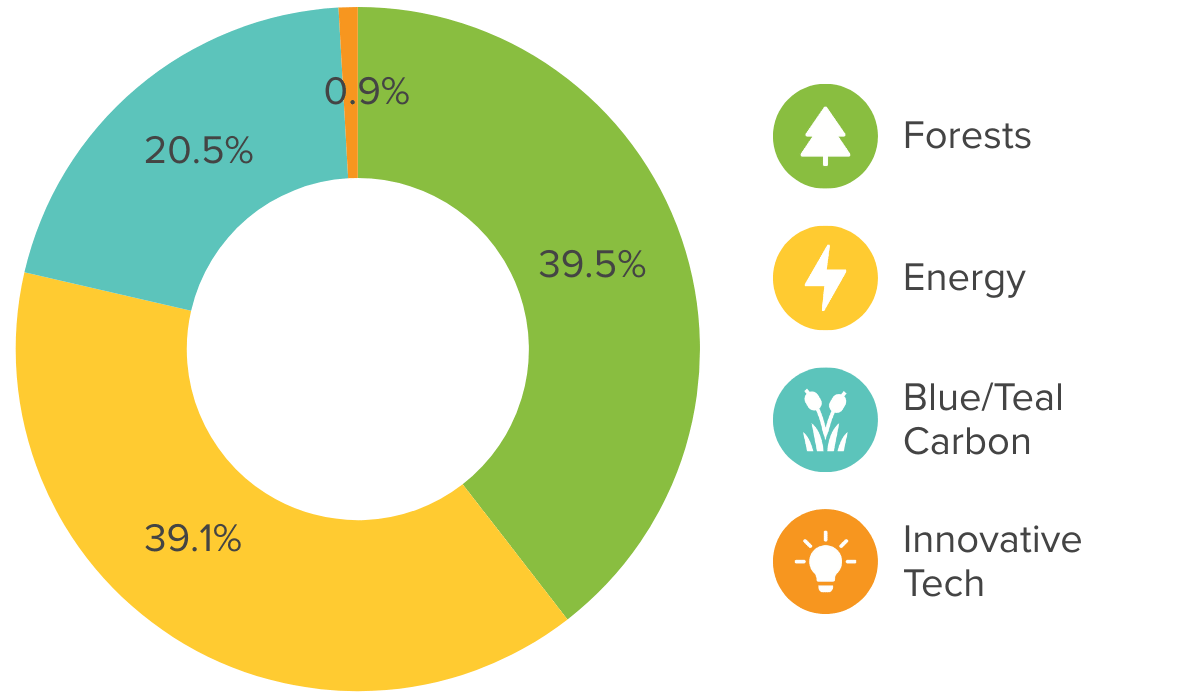
Carbon offsets purchased from Portfolio 3 of 2025 are distributed across the forestry, energy, innovative climate technology, and blue/teal carbon projects listed below.
Carbon Dioxide Equivalent (CO2e) by Project Type
Impact in Numbers
Altogether, these projects are accelerating the net zero transition by:

Preventing the loss of 1,060,000 acres of carbon-rich forests
Generating 296 GWh of clean energy yearly and replacing 20,000 inefficient cookstoves
Applying mycorrhizal fungi to 20,000 acres of crops to enhance soil carbon removal
Protecting and restoring 91,317 acres of blue and teal carbon ecosystems.
Explore the Projects
Portfolio 3 of 2025 is composed of seven climate projects: Valle Palleazza, Khalladi Wind Farm, Keo Seima, Garo Clean Cookstoves, Rootella Carbon, Rimba Raya Biodiversity Reserve, and Yaeda-Eyasi Landscape Project.
Read on to learn more about each of these projects and how they are catalyzing climate action around the world.
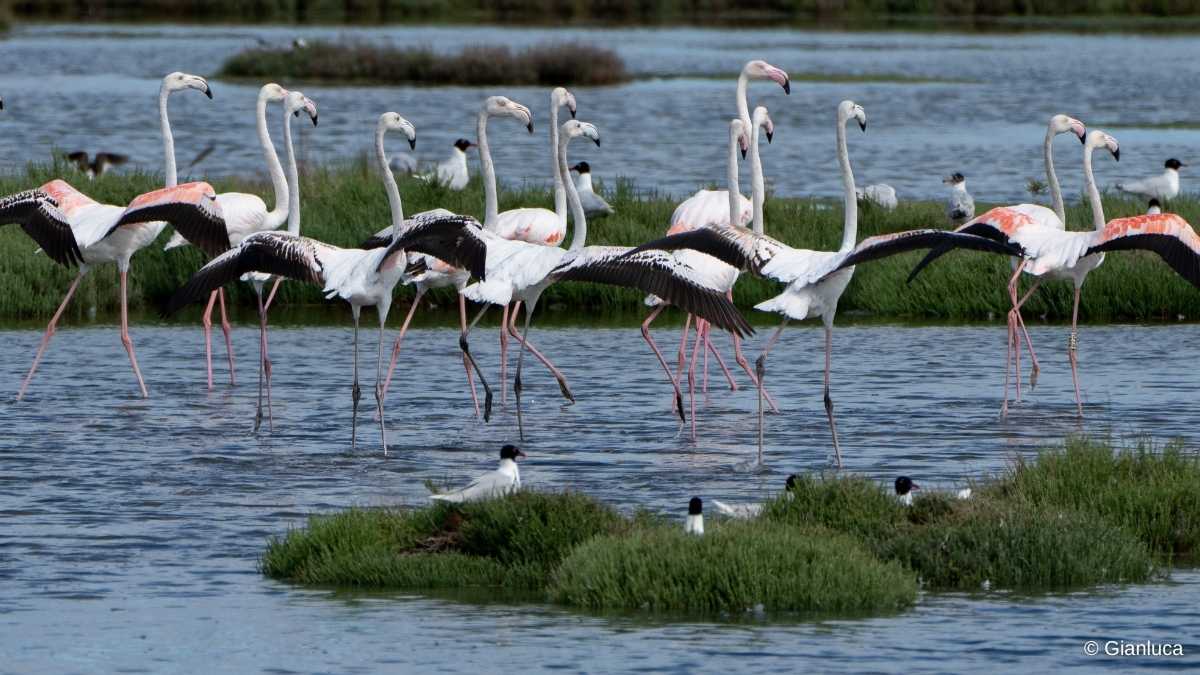
6.9% of portfolio

Blue/Teal Carbon

Italy
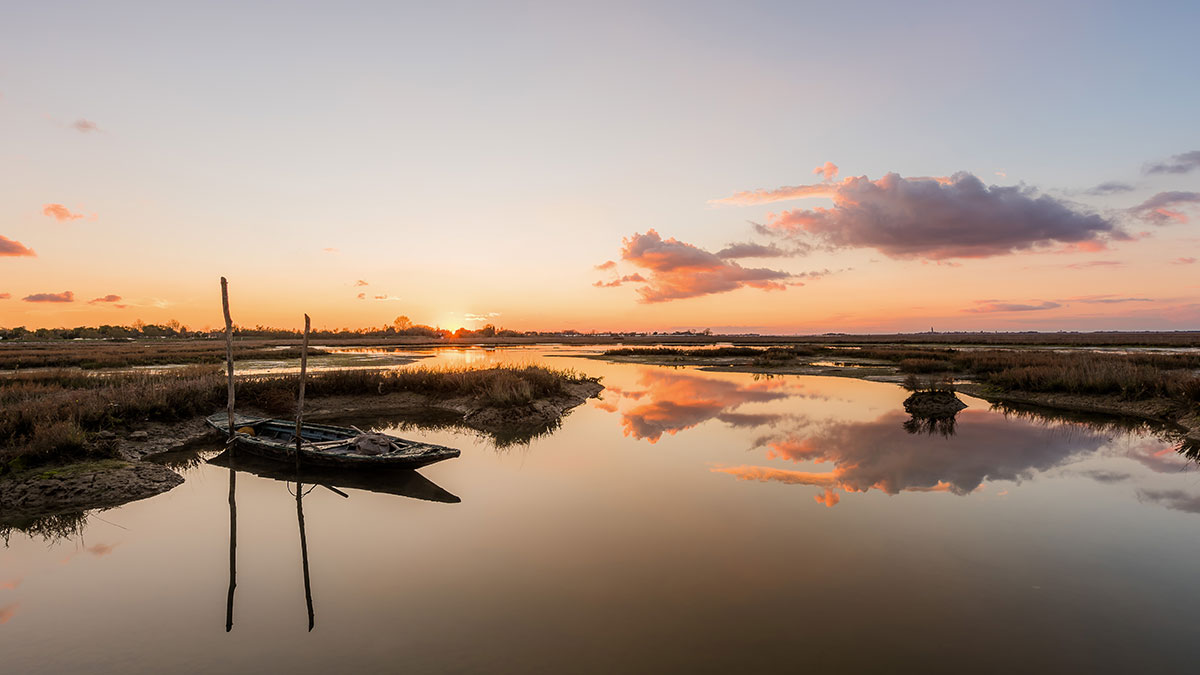
This project restores centuries-old fishing valleys in the Venice Lagoon, revitalizing blue carbon habitats through traditional water management and ecological restoration. By combining local heritage with ecosystem recovery, the project removes carbon and supports fish nurseries and bird nesting grounds. This sustains small-scale fishing and aquaculture livelihoods and creates opportunities for nature-based tourism. The project also reduces erosion and flooding, increasing the resilience of low-lying communities in the face of climate change.
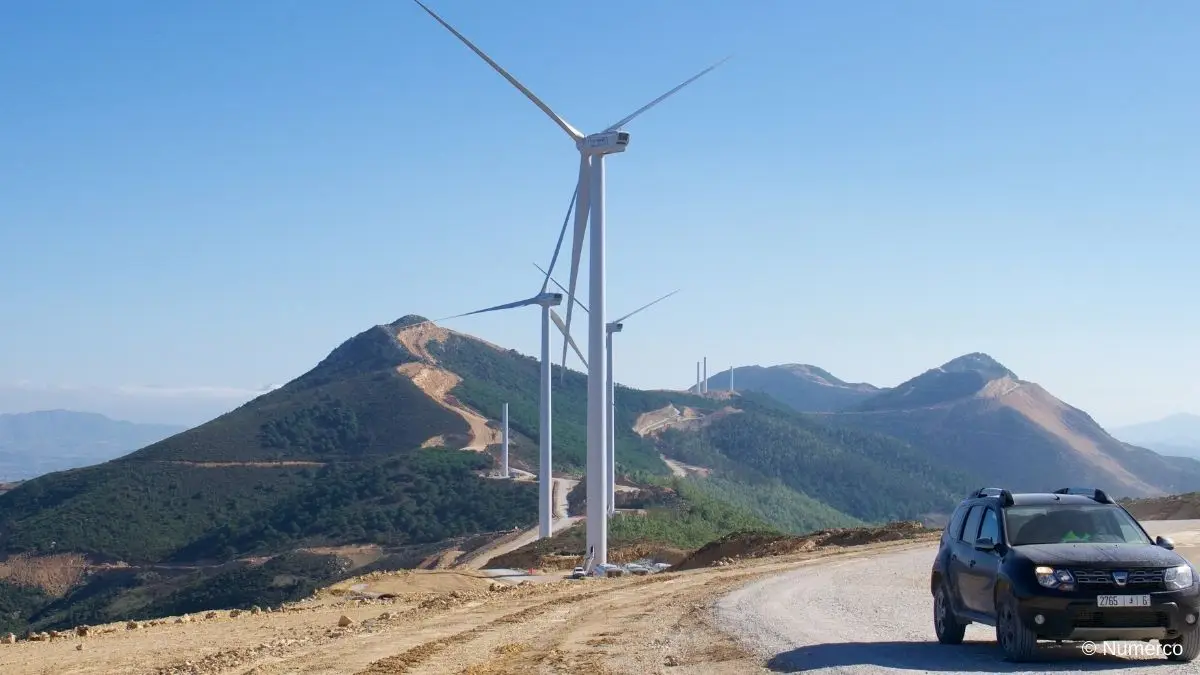
32.5% of portfolio

Energy

Morocco
The Khalladi Wind Farm addresses energy and social challenges in Morocco’s northernmost region, home to historic coastal towns, the UNESCO medina of Tetouan, and the iconic Blue City of Chefchaouen. Historically reliant on imported fossil fuels, Morocco faces high emissions and energy insecurity. This project responds to these challenges by generating clean, renewable wind electricity. It also bridges the rural-urban divide through improved education access, healthcare, economic opportunities, and infrastructure, fostering both environmental and social progress.
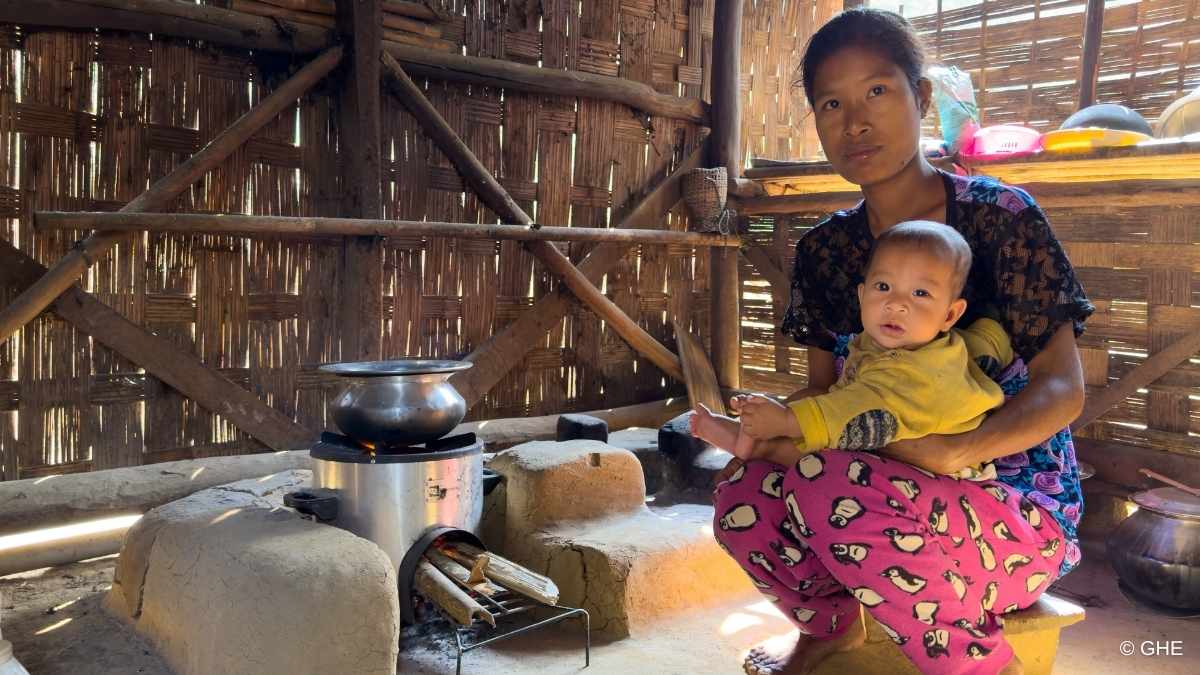
6.6% of portfolio
Energy
India
The Garo Hills of India, with its dense forests, abundant wildlife, and cultural heritage, offers tourism potential for the Indigenous communities that reside there. However, the widespread use of inefficient wood-fired cookstoves releases hazardous emissions, causing serious health risks, driving forest loss, deepening gender disparities, and perpetuating high poverty rates. This project addresses these challenges by introducing cleaner cookstoves that require less firewood, improve air quality, and shorten cooking times. It also empowers rural communities through diversified job opportunities, sustainable tourism development, and enhanced quality of life.
Latest Updates
By reinvesting carbon offset revenue into specialized technical training, the project has empowered 25 women as certified solar technicians, providing them with the hands-on skills and career counseling necessary to thrive in the renewable energy sector. This initiative is complemented by the expanded distribution of solar-powered electrical pressure cookers (EPCs) to communities utilizing mini-grids and standalone systems. By transitioning households away from firewood and LPG, the project significantly improves respiratory health, reduces the domestic labor burden on women, and curbs local deforestation, directly advancing regional net-zero goals through sustainable, community-led clean cooking solutions.
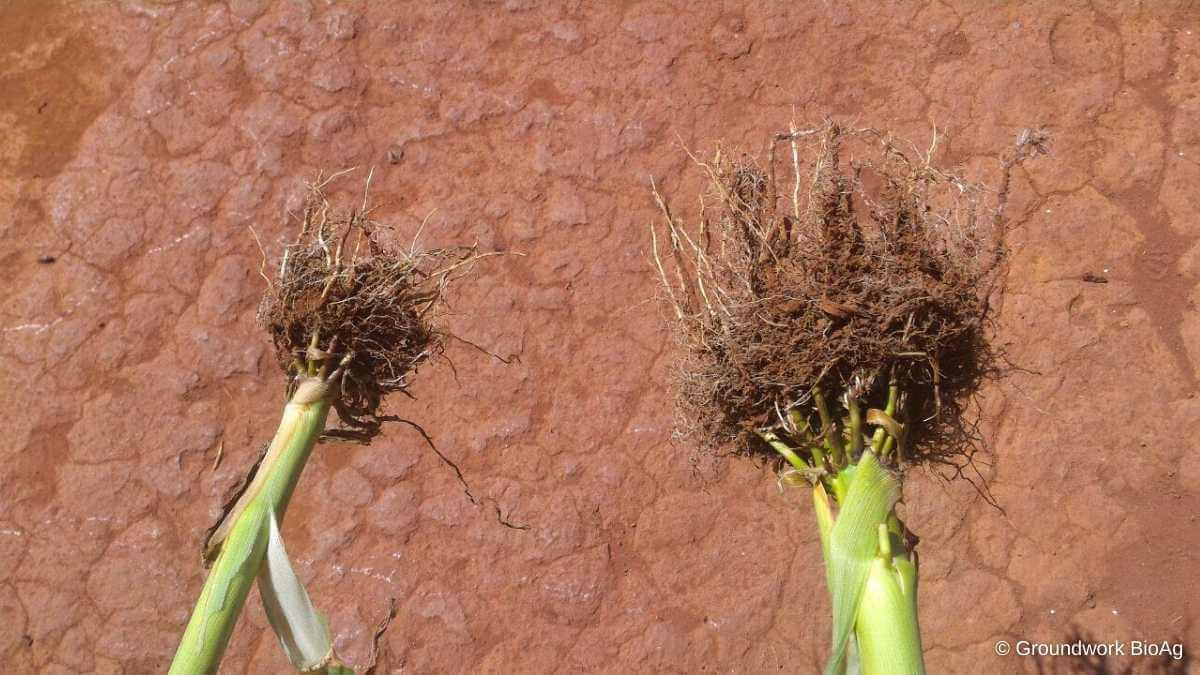
0.9% of portfolio

Innovative Technology

United States
Rootella is a seed treatment and soil additive full of mycorrhizal fungi that create a symbiotic relationship with crops and increase plants’ natural ability to sequester carbon in the soil. The fungus extends the plant root in an underground web, significantly improving nutrient uptake and making crops more resilient to climate change impacts like storms and drought. This results in healthier plants that require less chemical fertilizers and larger harvests that strengthen food supplies. Farmers benefit economically from higher crop yields, lower fertilizer expenses, and carbon credit revenues.
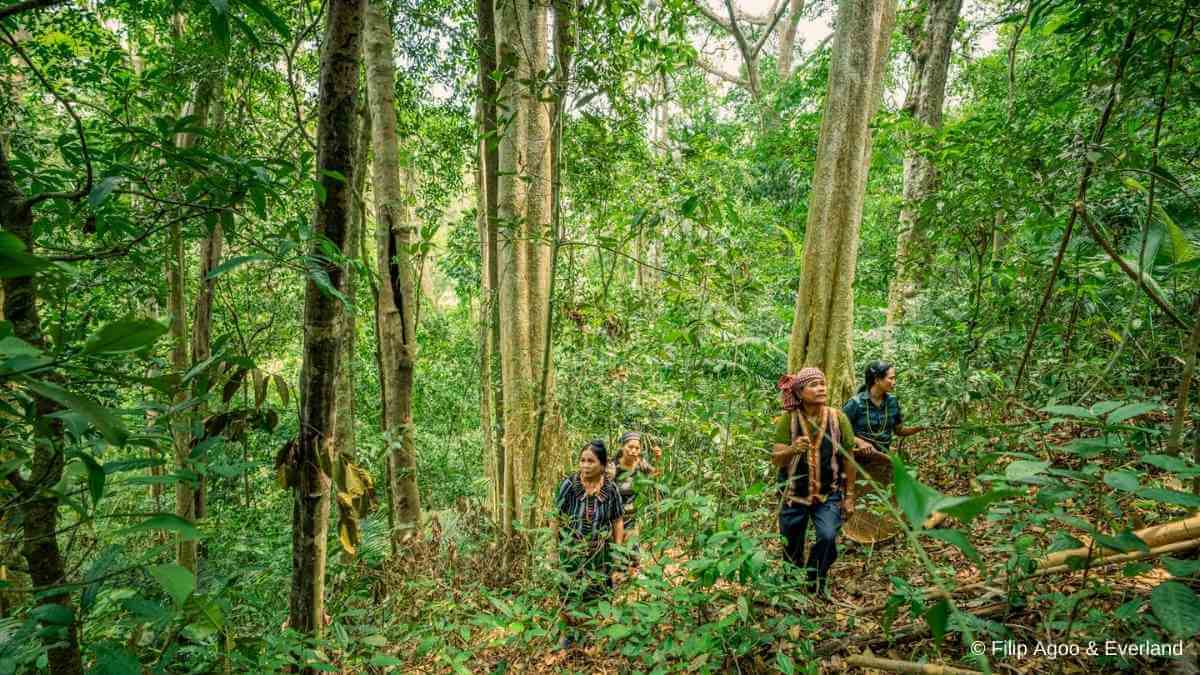
34.2% of portfolio

Forests

Cambodia
This project conserves a tropical forest sanctuary that holds significant cultural and economic value to the Indigenous Bunong people. The project cuts emissions from deforestation by protecting this area from unsustainable farming and logging and addressing social issues like hunger and poverty that drive communities to extractive practices. Along with safeguarding tree species that cannot be found elsewhere, the sanctuary impedes wildlife trafficking and provides a refuge for endangered species like the yellow-cheeked gibbon.
Latest Updates
The Keo Seima project has significantly bolstered local education and conservation infrastructure by providing 366 primary students with essential school supplies and environmental training. To secure the surrounding Wildlife Sanctuary, the project partnered with the Department of Environment to equip rangers with a comprehensive suite of patrol gear, including a vehicle, solar lighting, and specialized field equipment. Furthermore, the “Cows for Conservation” initiative distributed 64 breeding cows to 230 families between 2022 and 2024, creating sustainable livelihoods that incentivize habitat protection and directly support over 100 women in the community.
Community engagement and indigenous leadership remain at the heart of the project’s long-term strategy. The annual biodiversity awareness campaign recently reached nearly 1,000 residents across 11 villages, fostering a culture of wildlife stewardship among local youth. Simultaneously, the new SARIKA initiative is working to empower the Indigenous Bunong people by integrating their traditional land management wisdom with modern science. By developing fairer governance models and testing equitable revenue-sharing systems, SARIKA ensures that carbon offset benefits are deeply grounded in local traditions and indigenous self-determination.

13.6% of portfolio
Blue/Teal Carbon
Indonesia
This project is conserving a peat swamp forest in Indonesian Borneo that was slated for conversion to palm oil plantations. Along with protecting this carbon rich ecosystem, the project supports the reintroduction of critically endangered orangutans into their wild habitat. By addressing issues such as poverty, hunger, and disease, the project is tackling the root causes of deforestation while improving local livelihoods.

5.3% of portfolio
Forests
Tanzania
This project helps Tanzania’s indigenous communities safeguard their natural resources and prevent their land from being converted into cropland by encroachers. With a focus on preserving their forested homeland and traditional lifestyles, the project provides the communities with a new income stream and funds social initiatives that improve access to education and healthcare.
Latest Updates
In 2024, the project achieved a historic milestone by securing legal land rights for communities through 12 Certificates of Customary Rights of Occupancy—marking the first time such certificates have been awarded to a community in Tanzania. This progress was fueled by US $590,717 in community earnings, which funded the construction of 12 new essential facilities, including classrooms and medical housing, while also covering school fees for 140 secondary and university students. To ensure these benefits are managed fairly, over 60 community leaders underwent specialized governance and financial training, reinforcing principles of transparency and accountability across the Yaeda Valley.
The project further strengthened local security and conservation by training 142 individuals on the Cluey monitoring app, including newly recruited village game scouts (VGS). These scouts use real-time data collection to track wildlife sightings and conduct patrols, an initiative that has significantly improved local safety, with 87% of residents in the Eyasi region reporting a greater sense of security. Combined with village-level grievance meetings involving over 3,600 participants and funding for critical hospital treatments, these updates highlight a holistic approach to protecting both the ecosystem and the livelihoods of those who call it home.
Offset Carbon to Support Our Climate Impact Portfolio
When you offset carbon with us, you’ll support our Climate Impact Portfolio. Though particular projects vary from one quarter to the next, our portfolio always includes a mix of forestry, energy, blue/teal carbon, and innovative tech projects.