 Written By:
 Our third Climate Impact Portfolio of 2024, released on June 15, supports five carbon offset projects around the world. Read on to learn more about the impact these projects are creating for the climate, communities, and biodiversity.
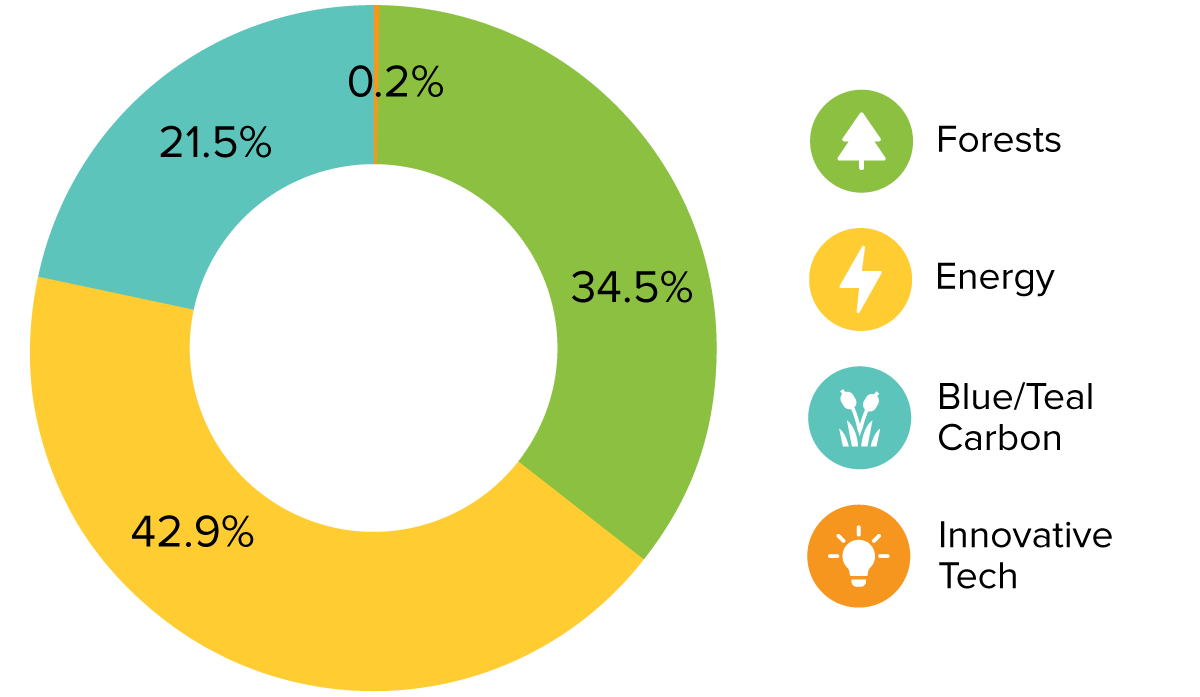
Carbon offsets purchased from Portfolio 3 of 2024 are distributed across the forestry, energy, carbon capture and removal, and blue/teal carbon projects listed below.
Carbon Dioxide Equivalent (CO2e) by Project Type
Impact in Numbers
Altogether, these projects are accelerating the net zero transition by:

Preventing the loss of 3.6 million acres of carbon-rich tropical ecosystems

Generating 370 GWh of clean energy yearly instead of burning fossil fuels
Creating 1.9 million liters of biochar that removes carbon and locks it in the ground

Restoring over 90,000 acres of peat swamp forest by planting native trees
Explore the Projects
Portfolio 3 of 2024 is composed of five climate projects: Yaeda-Eyasi Landscape Project, Wongphai Bamboo Biochar, Larimar Wind, Envira Amazonia, and Rimba Raya Biodiversity Reserve.
Read on to learn more about each of these projects and how they are catalyzing climate action around the world.
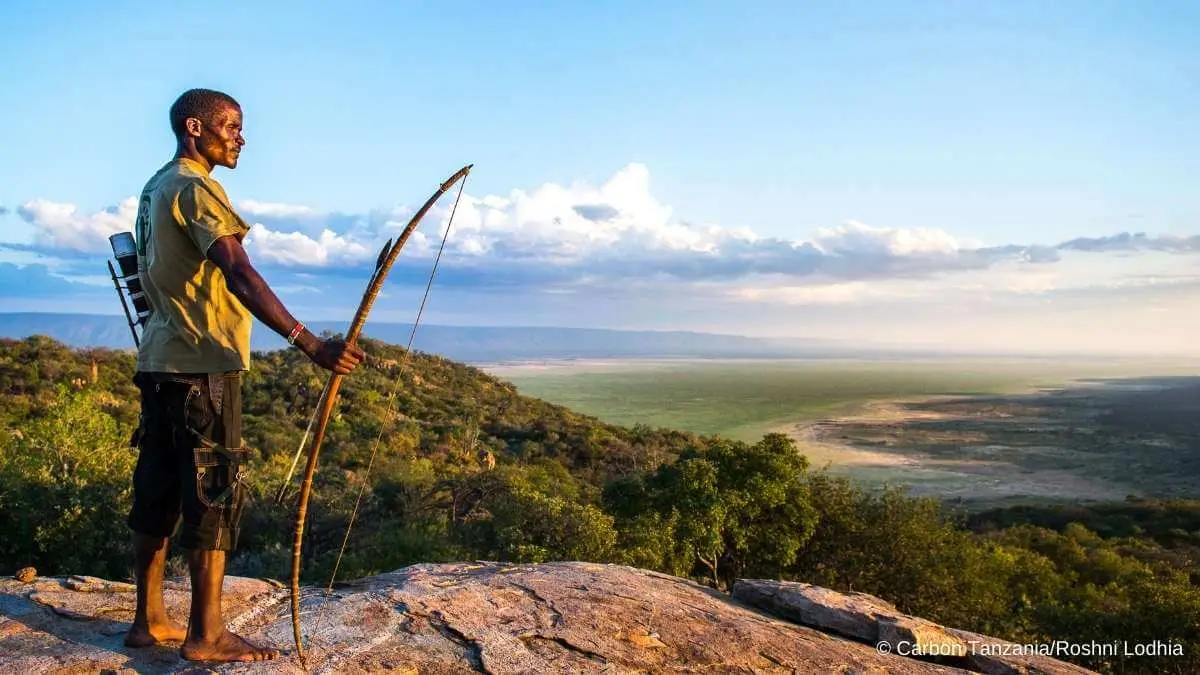
3.2% of portfolio

Forests

Tanzania
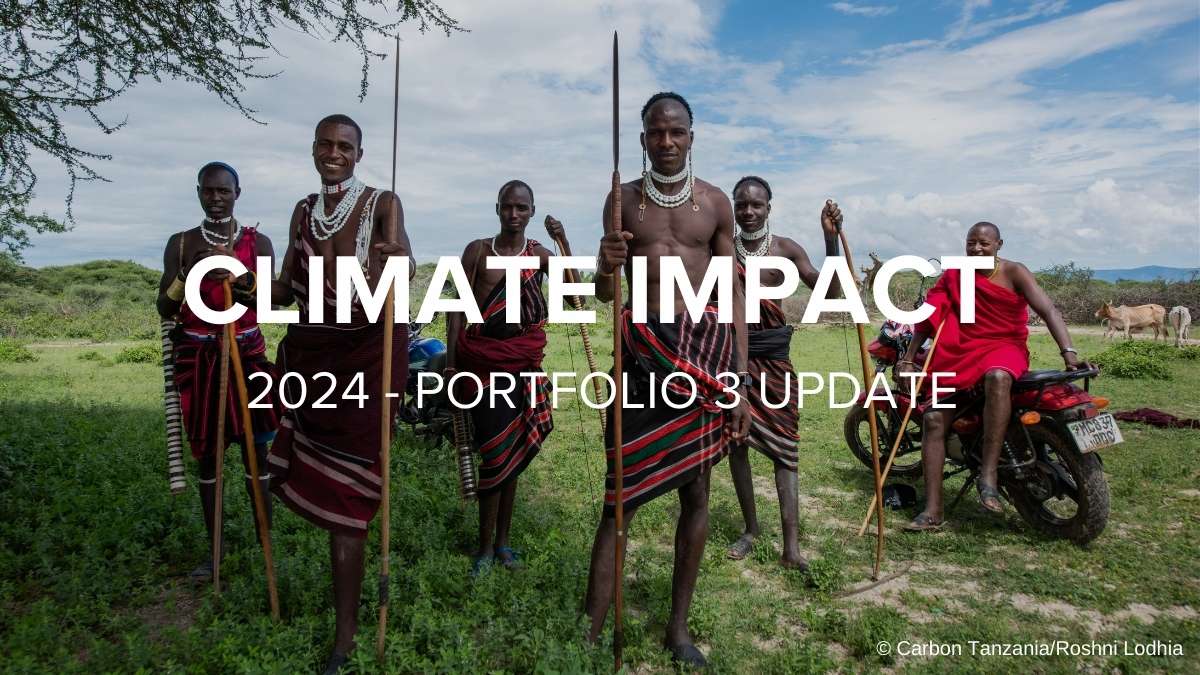
This project helps Tanzania’s indigenous communities safeguard their natural resources and prevent their land from being converted into cropland by encroachers. With a focus on preserving their forested homeland and traditional lifestyles, the project provides the communities with a new income stream and funds social initiatives that improve access to education and healthcare.
Latest Updates
In 2023, the project generated over US$570,000 for remote communities through carbon credit revenue, empowering residents to fund local infrastructure while protecting vital wildlife habitats. These funds significantly improved healthcare access for 21,294 people through the construction of nurses’ housing and hospital facilities, while also supporting the education of 1,604 children by covering school fees and renovating classrooms. Additionally, the Hadza community utilized carbon revenue to buy back ancestral lands that had been facing degradation. This reclaimed territory now serves as a critical buffer zone for the project area, preventing further deforestation and securing the community’s cultural and ecological heritage.
The project has adopted the Social Return on Investment (SROI) methodology, an internationally accredited approach by Social Value International, to transparently measure the impact of nature protection on human lives. A 2023 assessment of the Yaeda Valley revealed a Net Present Value of $8,628,015 in social outcomes, representing a remarkable $25 of social value generated for every $1 invested.
To further validate the project’s necessity and the accuracy of its carbon credits, a new displacement map visualizes the persistent threat of deforestation in the areas immediately surrounding the project. This data provides clear evidence of the ongoing pressure on these ecosystems and underscores the critical role the project plays in preventing further environmental loss.
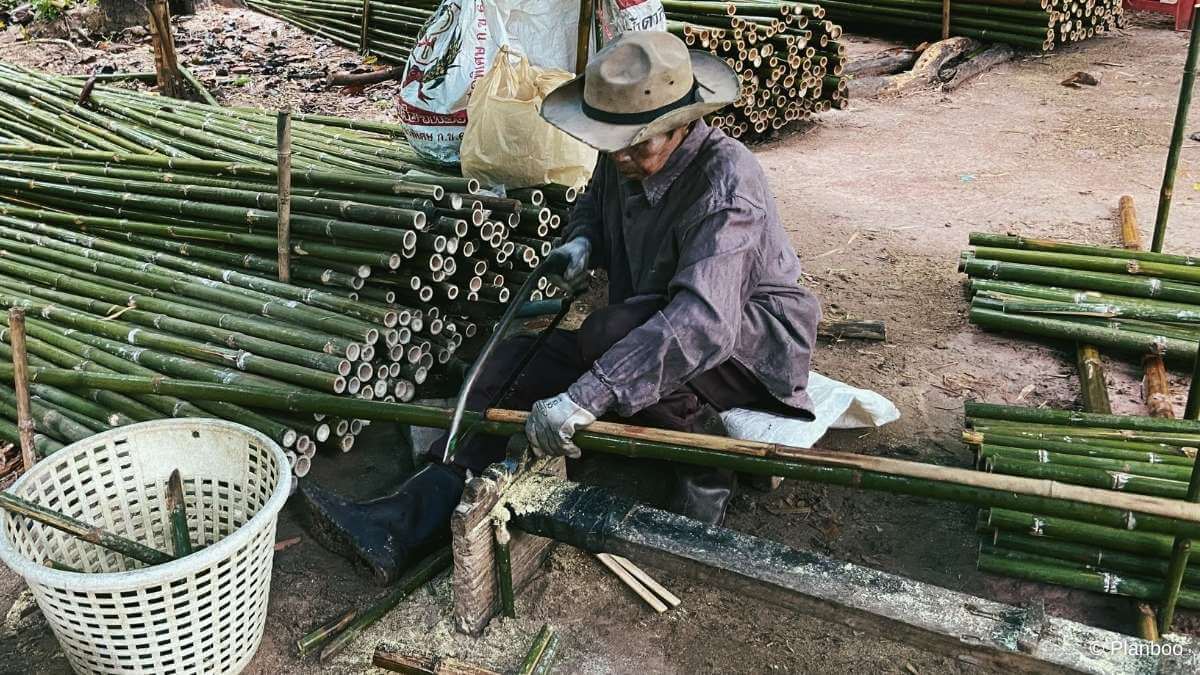
0.2% of portfolio

Carbon Removal

Thailand
Small-scale bamboo farming is a central part of Thailand’s cultural fabric. The country’s long history of bamboo cultivation supports industries such as construction, tourism, agriculture, and fisheries that utilize bamboo materials. When bamboo poles are processed, unusable parts are burned, releasing CO2 into the atmosphere. This project repurposes bamboo waste into biochar, avoiding these emissions and creating long-term carbon removals. Bamboo and rice farmers use biochar as an organic fertilizer, improving soil health, boosting climate resilience, and enhancing agricultural productivity.
Latest Updates
The “Carbon Phoenix” stands as the world’s largest biochar art installation, crafted from over two tons of bamboo biochar to symbolize environmental rejuvenation and transformation. Created by artist Benjamin Von Wong and engineers Teerasak Sirijan and Anon Passadoa for WongPhai farm, the sculpture highlights the untapped potential of biochar in the global fight against climate change. Each feather, meticulously made from pyrolyzed bamboo offcuts, represents the material’s dual role in carbon removal and soil healing, effectively turning agricultural waste into a powerful resource for ecological renewal.
42.9% of portfolio

Energy

Dominican Republic
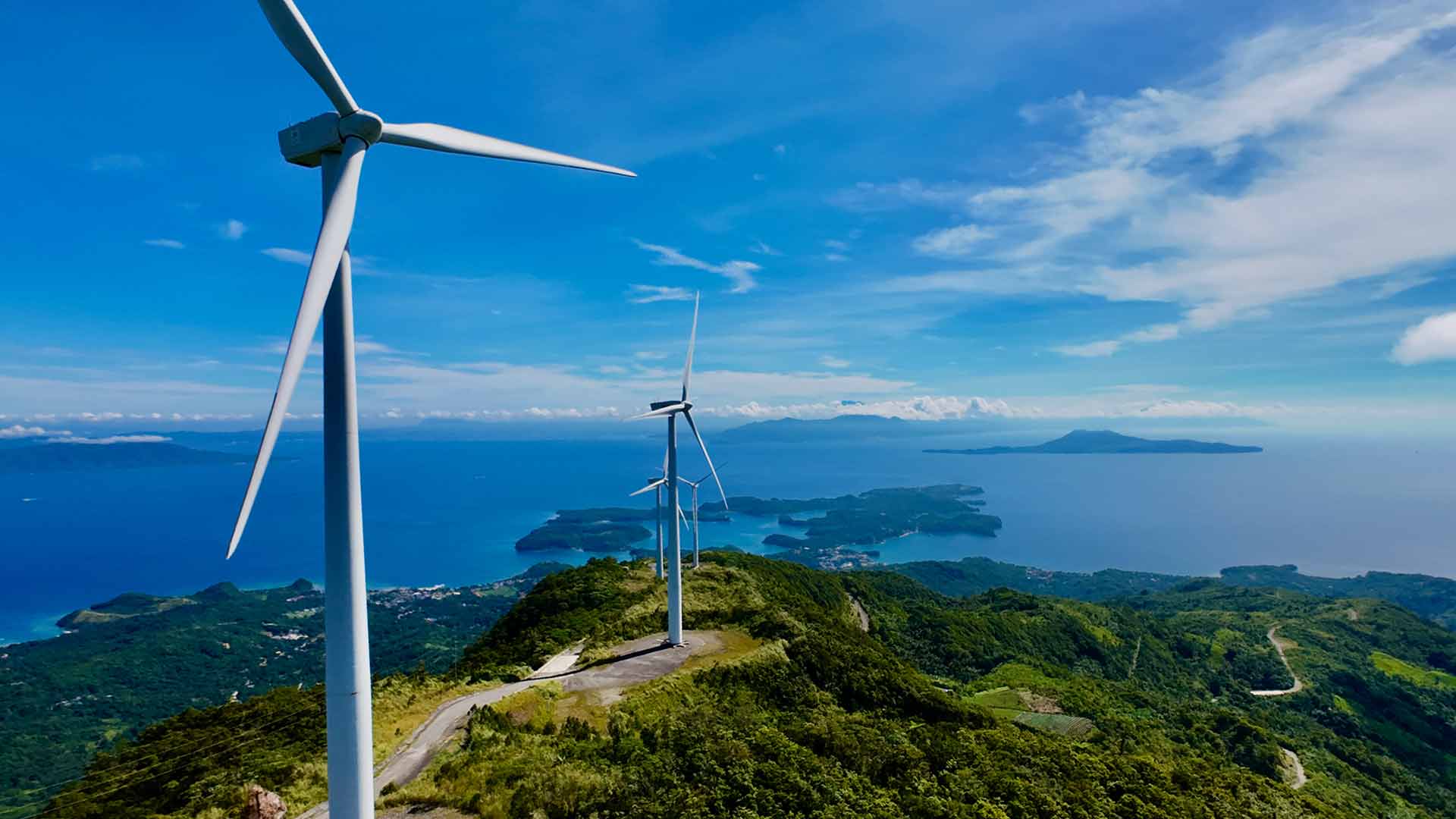
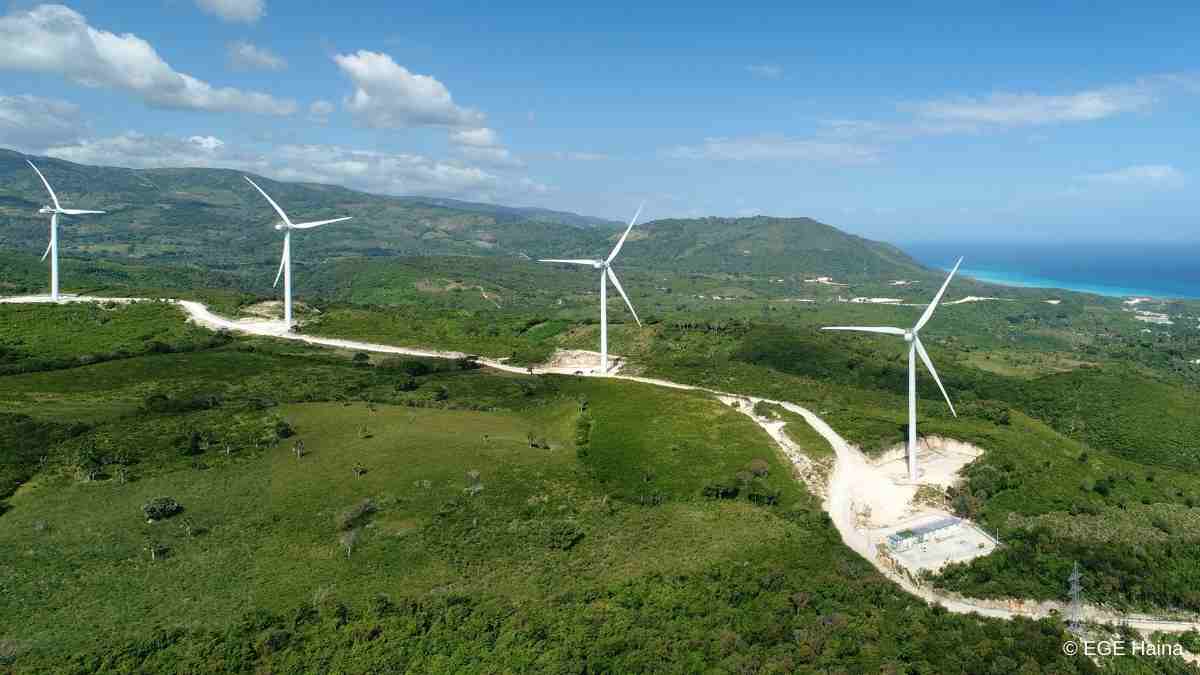
The Dominican Republic’s booming tourism industry consumes a hefty amount of energy, with fossil fuels accounting for most of the supply. Set in a less developed part of the country, the Larimar Wind Farm utilizes the breezes that blow in from the sea to generate clean, grid electricity. By creating local employment and improving education, job skills, health, and safety, the project fights the inequalities that all too often affect rural communities. The Larimar Wind Farm reduces the over reliance of imported fossil fuels and provides clean energy to homes in the Dominican Republic.
32.2% of portfolio
Forests
Brazil
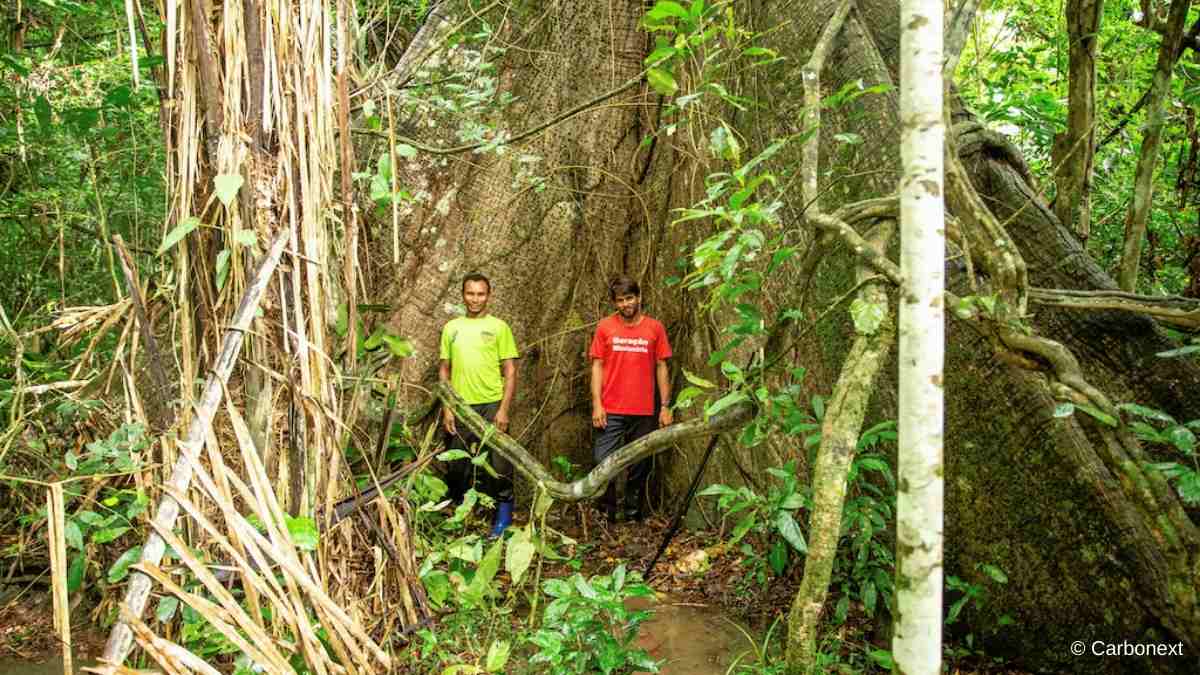
Located in the Brazilian state of Acre, the Envira Amazonia Project is protecting an area of tropical forest that would have otherwise been converted for lumber harvesting and cattle ranching. The avoided deforestation prevents emissions and maintains critical habitat for wildlife, while improving the livelihoods of communities living in the vicinity.
Latest Updates
Earlier this year, the Orbify platform conducted a geospatial analysis of the Envira Amazonia Project to validate its effectiveness in the Voluntary Carbon Market. Covering over 39,000 hectares, the review used satellite data to confirm the project’s success in curbing deforestation within its boundaries, effectively debunking inaccurate media claims. This type of independent technological review is essential for strengthening transparency and ensuring accurate reporting across forestry carbon offset initiatives.
21.5% of portfolio

Blue/Teal Carbon

Indonesia
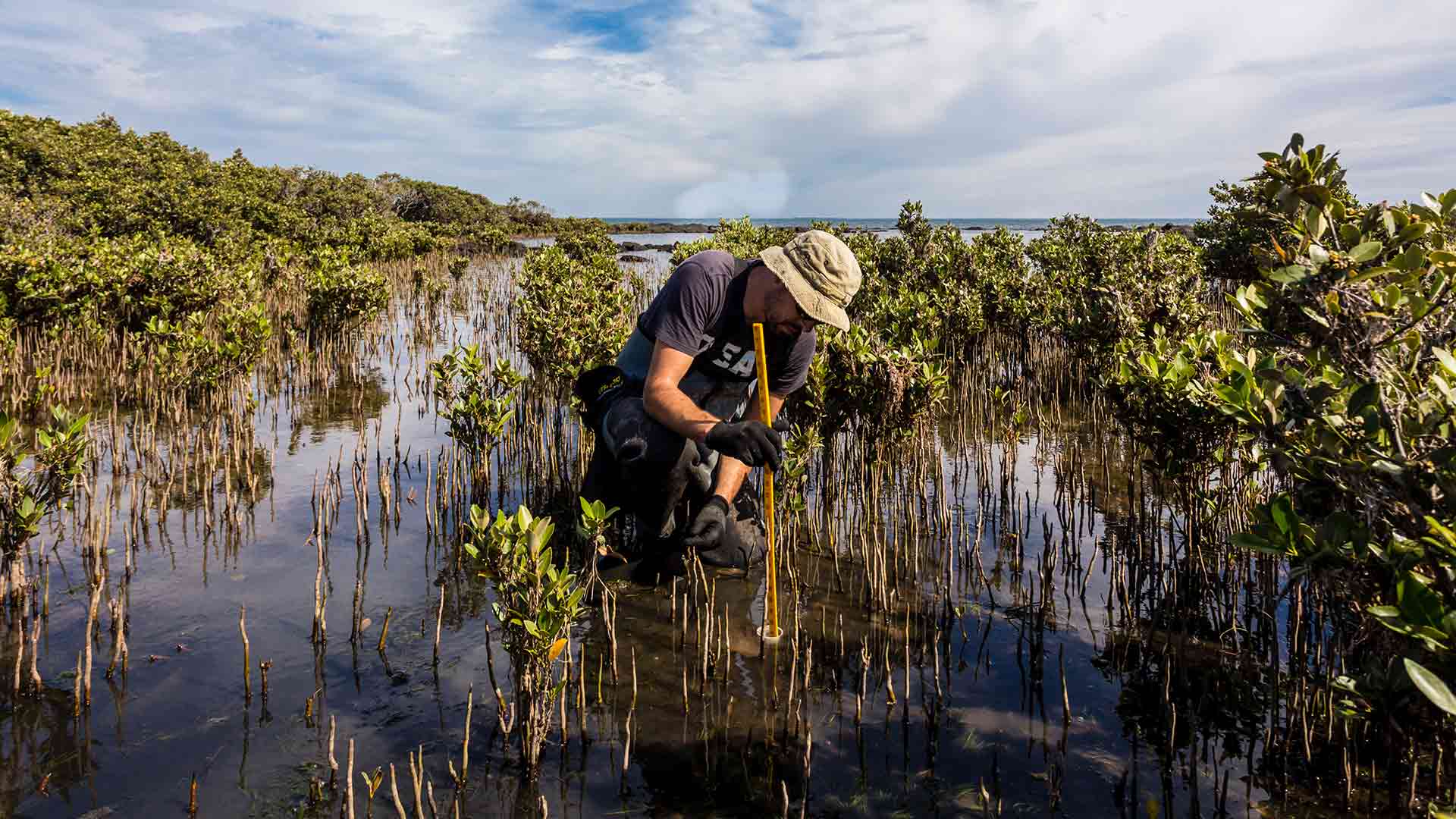
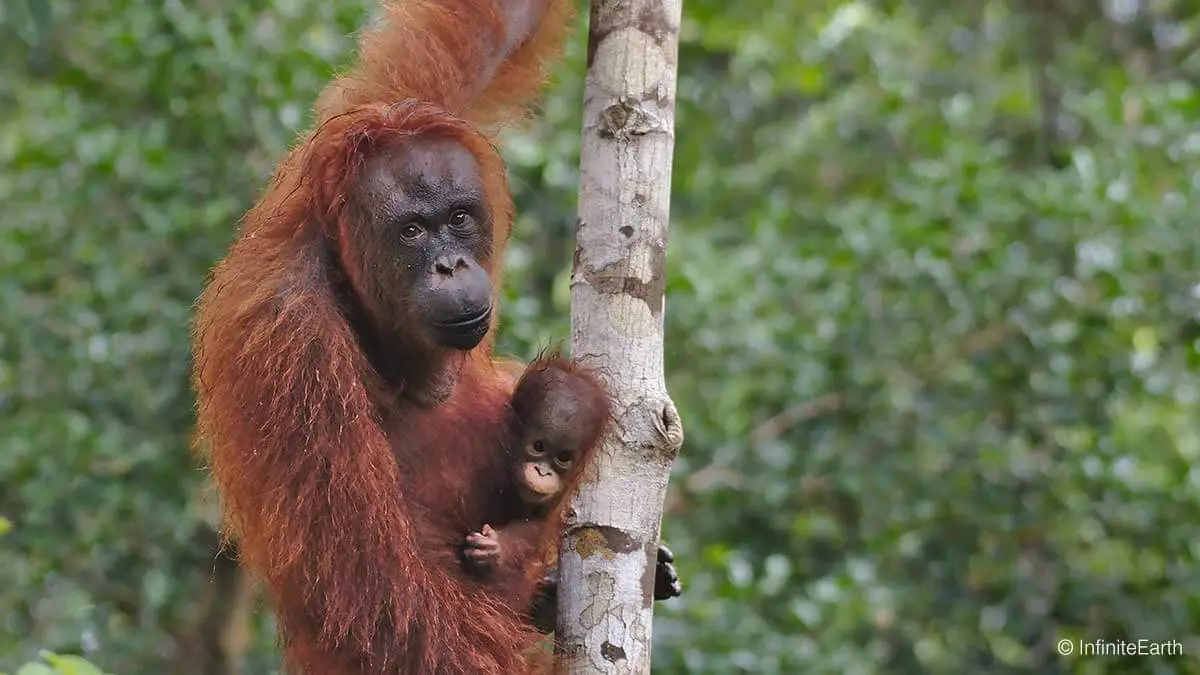
This project is conserving a peat swamp forest in Indonesian Borneo that was slated for conversion to palm oil plantations. Along with protecting this carbon rich ecosystem, the project supports the reintroduction of critically endangered orangutans into their wild habitat. By addressing issues such as poverty, hunger, and disease, the project is tackling the root causes of deforestation while improving local livelihoods.
Offset Carbon to Support Our Climate Impact Portfolio
When you offset carbon with us, you’ll support our Climate Impact Portfolio. Though particular projects vary from one quarter to the next, our portfolio always includes a mix of forestry, energy, blue/teal carbon, and carbon removal projects.