Since the Caribbean island of St. Kitts moved away from sugar production in the mid-2000’s, tourism became the top economic driver in the destination. As a small island developing state, St. Kitts is highly susceptible to both the positive and negative impacts of tourism. On the one hand, tourism brings a wealth of economic benefits to the island’s residents. However, there is also a perpetual risk that careless tourism could damage the island’s fragile ecosystems and overburden local resources and infrastructure.
Recognizing that tourism presents both opportunities and threats, St. Kitts placed sustainability at the core of their tourism strategy. This film explores how the St. Kitts Ministry of Tourism has partnered with Sustainable Travel International to raise local awareness around the importance of destination stewardship and engage stakeholders in sustainable practices.
Collective Action on Plastic and Beyond
Destination wellbeing in St. Kitts depends on more than the tourism industry alone. Recognizing this, the government founded the Sustainable Destination Council, bringing together public agencies, businesses, conservation groups, and residents to align around top sustainability priorities and work collaboratively to address them.
Reducing plastic waste is one of the council’s major focuses, driven by limited landfill space, impacts on marine environments, and constrained recycling capacity. Through the “Plastic Be Gone” initiative, the council works to reduce reliance on single-use plastics while raising awareness across communities. The program extends into classrooms, recognizing that children play an important role in building long-term habits around waste and sustainability. During parades, children wear costumes made from repurposed materials, turning waste into messages about protecting the island’s future.
Collaboration also means ensuring people across the island understand their role in stewarding the destination. The Destination Guardian Training Program helps all residents, whether taxi drivers, farmers, or teachers, understand why sustainability matters to their livelihoods and how they can apply it in their daily lives.
Living Culture: From Story to Table
Across much of the Caribbean, tourism centers on beaches and sun, but St. Kitts offers a rich cultural legacy that helps diversify the visitor experience beyond its coastline.
To help bring this heritage to life, the I Speak St. Kitts Culture training teaches frontline tourism staff how to weave local traditions and storytelling into their interactions with visitors. The program equips participants with the knowledge and confidence to share the island’s history and identity in authentic ways, strengthening how culture is experienced across the destination.
Culture in St. Kitts is expressed not only through stories but also through food. St. Kitts and Nevis Restaurant Week strengthens the link between agriculture and tourism. Each year, the event features a local ingredient, such as sweet potato, that chefs are challenged to use creatively. Local businesses, such as Ital Creations, promote sustainability through the “Calabash” concept, which uses reusable bowls made from the fruit rather than plastic. By exclusively using island-grown ingredients, dining revenue directly supports local farmers.
Making Sustainability Practical for Tourism Businesses
Beyond cultural programs and community initiatives, St. Kitts focuses on providing clear, actionable direction for local tourism businesses. The St. Kitts Sustainability Charter supports hotels, tour operators, and other businesses in adopting eco-friendly and socially responsible practices.
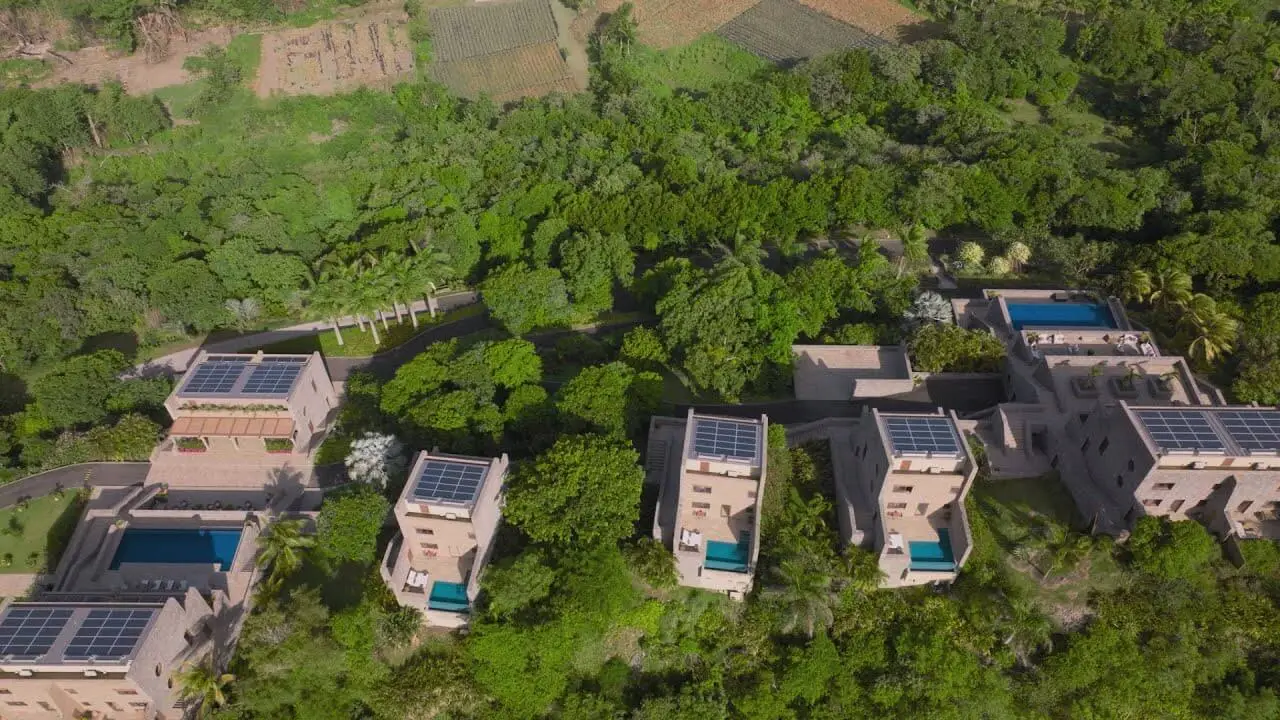
Through the program, businesses are already taking action, ranging from small operational changes to larger renewable energy investments. For example, at Timothy Beach Resort, solar panels have reduced electricity consumption by 30%. The resort also uses greenhouses to grow herbs and sources local produce from nearby fishers and farmers.
Meanwhile, Sunset Reef resort utilizes highly efficient geothermal technology, achieving 700-800% better cooling than standard systems. The resort pool acts as a “giant battery” for energy storage, ensuring continuous hot water for guests without extra energy consumption.
Sustainable Travel: Where Next?
This film is part of Sustainable Travel International’s Where Next series, a documentary collection showcasing sustainable tourism examples and transformative solutions from destinations and companies worldwide, produced in partnership with Blackrook Media.